Politics & Government
Calif. Attorney General To Trump: Close 'Bomb Trains' Loophole
Stricter regulation will protect vulnerable, highly populated regions of California from catastrophe, Attorney General Xavier Becerra says.


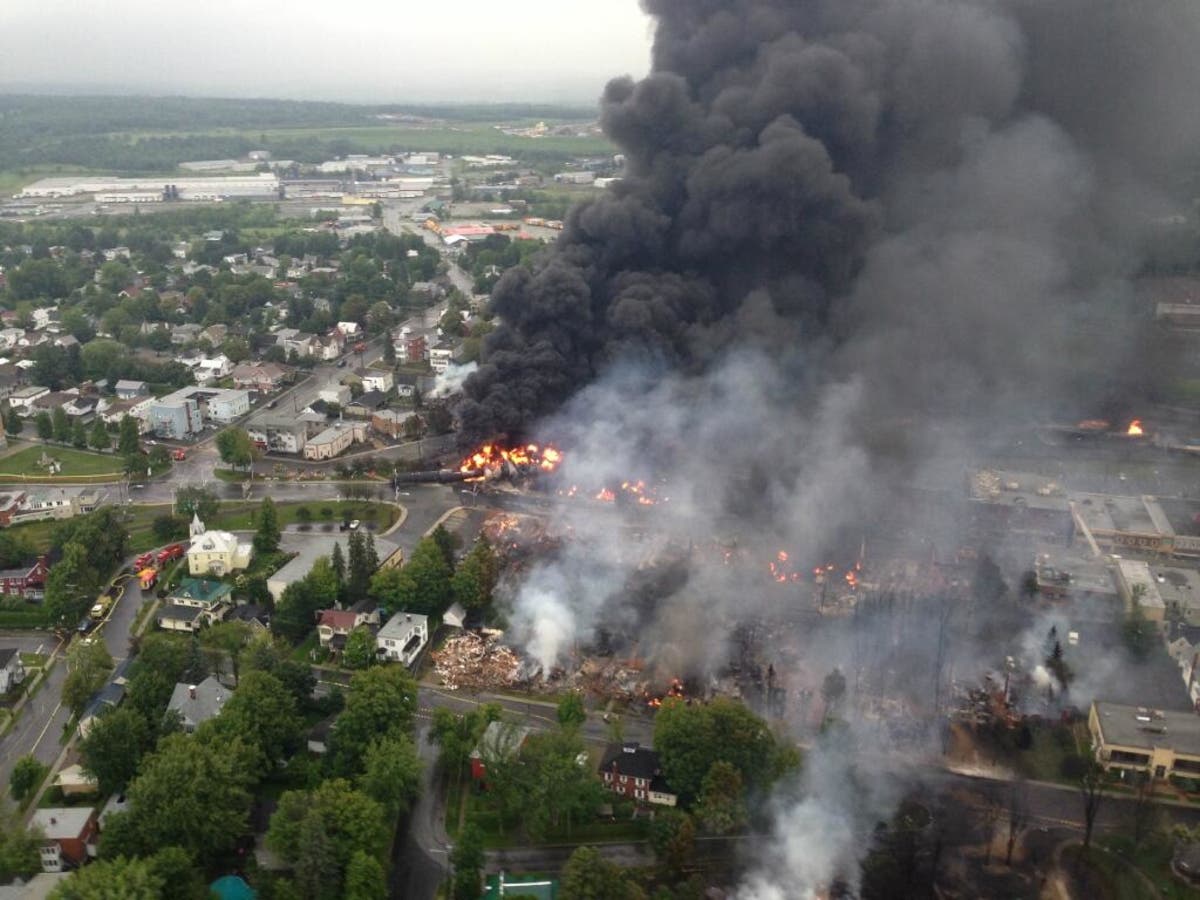
SACRAMENTO, CA -- So-called “bomb trains” are responsible for multiple catastrophic rail accidents in recent years, including the 2013 explosion in Quebec that killed 47 people, and California Attorney General Xavier Becerra doesn’t want to see the same happen here.
That’s why Becerra said he urges the Trump Administration to “immediately close a loophole” to prevent such “highly flammable, highly explosive” crude oil from being shipped by freight rail through communities in California, including the highly populated San Bernardino-Riverside and San Luis Obispo regions.
“Millions of Californians live, work and attend school within the vicinity of railroad train tracks,” Becerra said. “A derailment or explosion in California could put countless lives at risk and cause major damage to our land and waterways. This risk is simply unacceptable. I urge the Trump Administration to act immediately.”
Find out what's happening in Davisfor free with the latest updates from Patch.
Many of the state's sensitive ecological areas are also at risk, Becerra believes.
Becerra and attorneys general from Illinois, Maine, Maryland, New York and Washington recently submitted a letter to federal regulators, expressing their strong support for the adoption of a nationwide vapor pressure limit for the transportation of crude oil by rail.
Find out what's happening in Davisfor free with the latest updates from Patch.
Specifically, the state AGs are calling for a vapor pressure limit of less than 9.0 pounds per square inch (psi), as vapor pressure is a key driver of the oil’s explosiveness and flammability.
Their letter cites the June 2016 derailment in Mosier, Oregon of a Union Pacific 96-car unit train carrying Bakken crude oil. Four rail cars caught fire, residents were evacuated and 40,000 gallons of crude oil were spilled. The oil was reportedly being transported at a vapor pressure of 9.2 psi.
The letter, which was in response to an Advanced Notice of Proposed Rulemaking issued by the U.S. Department of Transportation’s Pipeline and Hazardous Materials Safety Administration, can be viewed here.
Photo taken from a Sûreté du Québec (police) helicopter of Lac-Mégantic, the day of the Quebec derailment, July 6, 2013 / via Wikimedia Commons
Get more local news delivered straight to your inbox. Sign up for free Patch newsletters and alerts.