Health & Fitness
Protect Yourself from Tax Return and Identity Theft Scams
By taking sensible precautions, and being extremely cautious about sharing personal information, we can help stop tax-related identity theft.
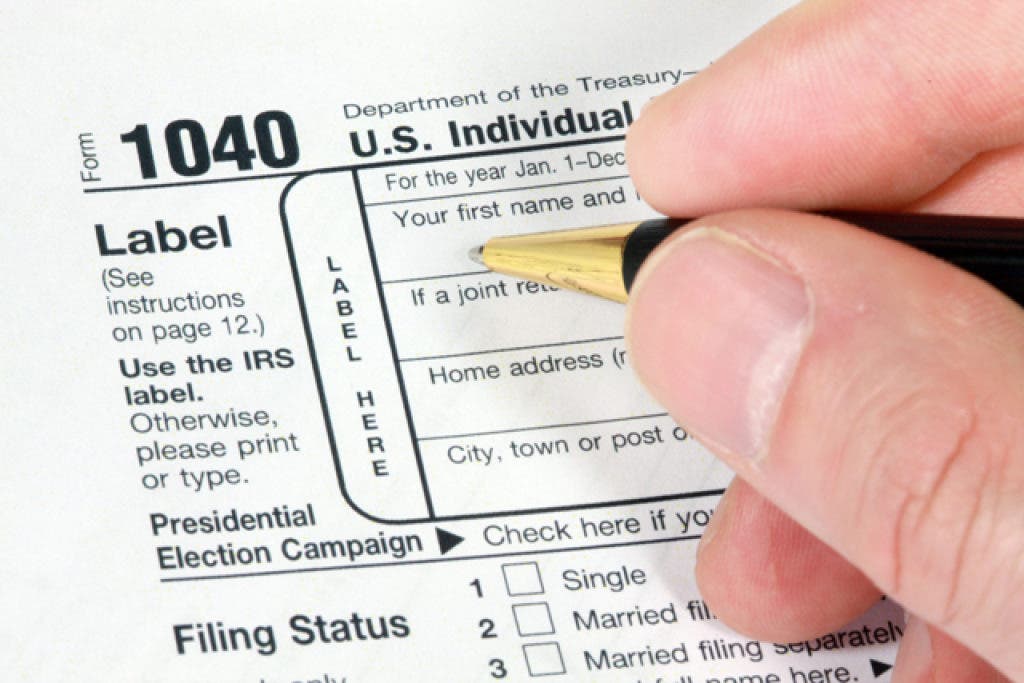
Benjamin Franklin said, “Nothing is certain but death and taxes.” If he were alive in the 21st century, he would have added “… and scam artists.”
The Internal Revenue Service is dealing with an unprecedented upsurge in thefts of tax returns and outright tax scams. In 2011, the IRS says it stopped more than $1.4 billion in stolen refunds by identity thieves, and caught 260,000 illegal refunds involving identity theft.
The IRS and the Justice Department warn taxpayers to take some simple precautions to protect themselves from become victimized. Senior citizens and small businesses are especially vulnerable, but no one is immune.
Find out what's happening in Del Mar-Carmel Valleyfor free with the latest updates from Patch.
Identity thieves who get their hands on your Social Security Number, and date of birth can file an electronic return under your name. They make up the return with any income they want, and forge any paperwork they need. It sometimes takes months for the IRS to get the legitimate tax paperwork from employers or other organizations to verify the figures on your return. By then, the crook has cashed their refund check or gotten a direct deposit into a bank account, or even had the refund loaded onto a debit card, then withdraw cash at an ATM. Then they disappear.
Meanwhile, you have no idea. Or if you are lucky, you try to file your return online but it won’t go through, and you unravel what has happened.
Find out what's happening in Del Mar-Carmel Valleyfor free with the latest updates from Patch.
Sometimes the taxpayer wonders why he or she hasn’t gotten a refund check yet. When he or she contacts the IRS asking for the status of their check; the IRS may send a letter and say multiple returns have been filed in their name, asking which is the real one.
Then it’s up to you to prove who you are to get your refund. It’s even worse if you receive federal disability payments (SSI) or social security. The Social Security Administration has the right to use your tax return as evidence that you are working, and cut off your benefits. While you aren’t responsible for the missing refund, in the meantime this could create a serious hardship.
How can you protect yourself? The IRS offers these tips to all taxpayers no matter your age or income:
-
File your return as early as possible. Scammers do too, hoping to beat you to the punch and claim your refund.
If filing electronically, be sure the computer you use is not on a public Wi-Fi network or a wireless system that could be tapped. You should be connected with an Ethernet cable. If you aren’t sure what this is, ask someone.
Don’t leave your returns on your computer or in online storage. Once you’ve filed, transfer the information to a flash drive or a CD.
Make sure you have updated antivirus protection, a two-way firewall and that any wireless Internet you use is protected with a network key. Run anti-spyware software regularly.
Never click on links or attachments in emails from strangers. You could infect your computer with software that steals your personal information. Be cautious even when clicking on links in email from friends. They may not know the “cute” video they sent hides data stealing software.
Never provide ANY personal information, especially your Social Security Number or date of birth, to anyone who has contacted you by telephone, via email or text message. Only provide this information when you have initiated the contact and can verify the recipient. If you are in doubt, don’t give anything out.
If you receive a phone call, fax or letter from someone claiming to be with the IRS, verify it by calling 1-800-829-1040.
ANY unsolicited email from the IRS is FALSE. The IRS never contacts taxpayers by email.
You can check the status of your refund at this IRS webpage.
If you suspect tax-related identity theft, call the IRS at 1-800-908-4490 immediately.
The IRS has a great deal of useful information about tax related identity theft and the latest scams on its website. Visit here to learn more.
No one likes paying taxes, but most of us want to do the right thing, pay what we legitimately owe and make sure it is safely received. By taking sensible precautions, and being extremely cautious about sharing personal information, we can help stop tax-related identity theft.
Bear in mind that if you allow someone to prepare a return in your name, even if they scam you, you are legally responsible and on the hook to repay the IRS. Be sure to check out the credentials of anyone who prepares your tax return. It is best to use a certified public accountant or enrolled agent for maximum safety.
InTouch at Home is a Senior Resource Group, LLC (SRG) company. Serving the needs of seniors and their families for more than 20 years, SRG delivers on the promise of exceptional service and quality care each and every day through its 18 communities including La Vida Real (Rancho San Diego) and La Vida Del Mar. For more information, call 858-522-9942 or visit InTouch-at-Home.com.