Business & Tech
Los Feliz: 10th Historic Overlay Conference Saturday
Conscientious zoning helps us protect L.A.'s past.
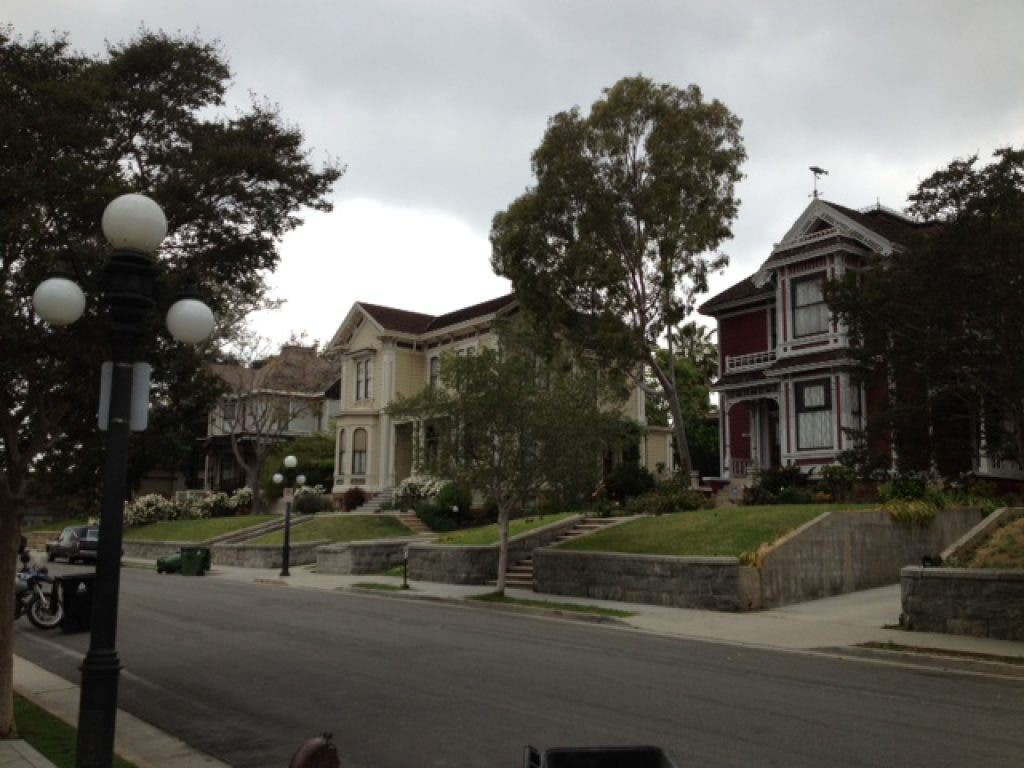
West of Los Feliz, Hollywood Grove is the city’s newest Historic Preservation Overlay Zone (HPOZ), one of 29 established to protect historic structures in a specific area. Over in Echo Park, Angeleno Heights was the city’s first HPOZ.
This weekend the 10th annual Los Angeles HPOZ conference will link both areas, and all of the city’s HPOZs, providing a wealth of information to homeowners on how to make historically appropriate design decisions and how to help protect the character of L.A.’s historic neighborhoods.
Organized by the Department of City Planning's Office of Historic Resources and the L.A. Conservancy, the conference began originally as a training session for HPOZ board members who are entrusted with reviewing construction permits in their specific areas.
Find out what's happening in Echo Park-Silver Lakefor free with the latest updates from Patch.
“It has since expanded to include homeowners and explains what historic districts are and what they are about,” says Flora Chou, preservation advocate for the Los Angeles Conservancy. Introductory and advanced sessions are planned, including hands-on maintenance sessions as well as walking tours of the city’s newest designated historic neighborhood.
The Mills Act
Find out what's happening in Echo Park-Silver Lakefor free with the latest updates from Patch.
There is a tradition in Los Angeles of bulldozing historic properties. Few legal means exist to derail a planned demolition (witness the recent demolition of the Moore House, a significant modernist Lloyd Wright home in Palos Verdes Estates). HPOZ’s are one means to preserve historic homes and historic commercial buildings. The city and county offer homeowners an incentive to maintain these structures' historic integrity via the Mills Act, which reduces a property's assessed value and subsequently property taxes.
The annual application cycle ends the last Friday in May, per Lambert Giessinger, historic preservation architect, Dept. of City Planning, Office of Historic Resources, Historical property contracts manager.
The Mills Act is limited to properties that are officially designated historic via inclusion in an HPOZ or as a historic-cultural monument (the Frank Lloyd Wright-designed Ennis House for instance). It is designed as an incentive to property owners to rehabilitate a threatened property (whether by neglect or a past inappropriate remodel) utilizing agreed upon preservation standards.
“We look for properties that need significant work,” explains Giessinger of the criteria that is applied. Necessity is an important consideration. Homeowners must outline the proposed work via the Mills Act application form. (Download 2012 Mills Act application here.)
And the work must follow the preservation plan established by the neighborhood HPOZ. The Mills Act is most valuable for someone who has newly purchased a property, as it provides incentives and additional resources to repair and maintain the property.
HPOZ preservation guidelines
Whether a property owner is applying for the Mills Act or not, each of the city’s HPOZ preservation plans offer a wealth of information on how to identify historic styles and architectural elements. (Angelino Heights preservation guidelines are very detailed.) The upcoming day long conference shares more information via seminars, networking sessions and historic neighorhood tours.
Not everyone, of course, thinks the HPOZs are a good thing, pointing to their impact on individual property rights. It's a complicated calculus that plays out every day in our neighborhoods.
10th Annual Los Angeles HPOZ Conference, Saturday May 19th, 8:30 a.m. to 4 p.m. at the Celebrity Centre International, 5930 Franklin Ave. Cost is $25 per person and includes continental breakfast and lunch.