Health & Fitness
Lepto on the Rise: Is Your Dog Protected?
There have been six reported cases of this potentially fatal canine disease in Encinitas within the last six months.

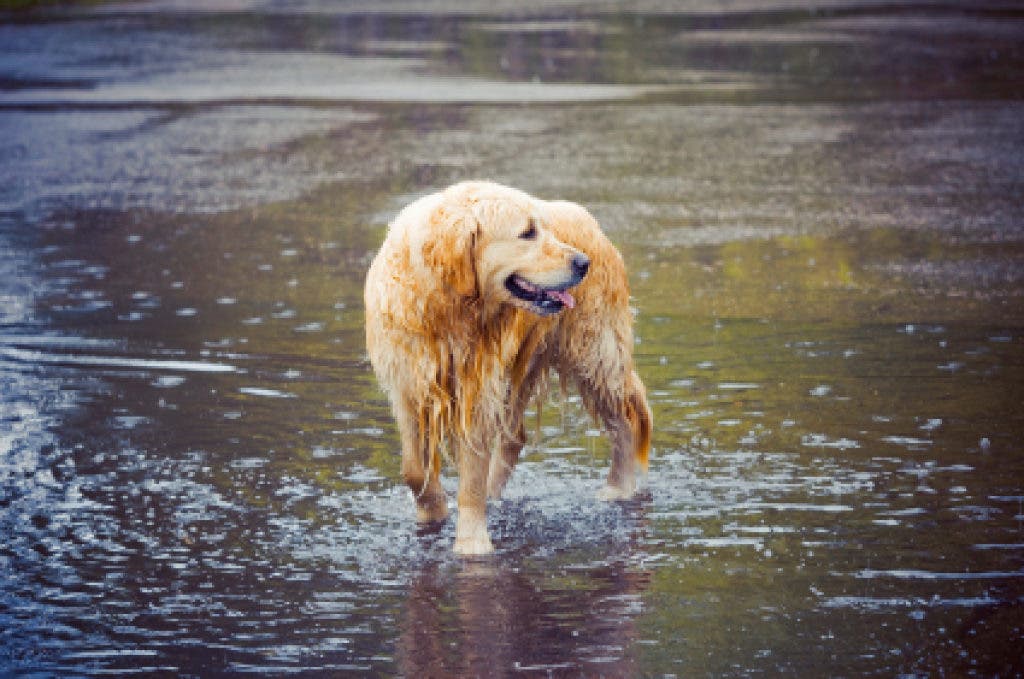
Leptospirosis, a potentially fatal disease in dogs, is re-emerging in California and across the country. According to a local representative for Pfizer Animal Health, there have been six reported cases of the disease in Encinitas within the last six months.
Leptospirosis is a bacterial disease that can affect companion animals, livestock and wildlife. It is also a zoonotic disease, meaning it can be transferred from animals to humans. Raccoons, skunks, squirrels, coyotes, foxes and rodents are carriers of the bacteria. The illness is most commonly transmitted through standing water or soil contaminated with the urine of infected animals.
Leptospirosis affects a dog’s liver and kidney function. Symptoms of the disease can vary depending on the body system involved, but common signs include fever, lethargy and vomiting. Hemorrhages or ulcers in the mouth may also occur. Leptospirosis can be fatal if left untreated or even if treatment is delayed.
Find out what's happening in Encinitasfor free with the latest updates from Patch.
Because of the zoonotic potential and high mortality rate of this disease, the American College of Veterinary Internal Medicine (ACVIM) is strongly recommending the Leptospirosis vaccination for all dogs. Dogs at particularly high risk include those that frequent dog parks, visit nature areas that have an increase in wildlife traffic or spend any time outdoors, even if only in the yard.
One study reviewed by Pfizer tested 1,241 healthy dogs for variations of Leptospirosis bacteria and found that one in four dogs had antibodies to one or more of these variations. Surprisingly, terrier and toy breeds had the highest prevalence of Leptospirosis bacteria at 30.4 percent and 28.9 percent, respectively.
Find out what's happening in Encinitasfor free with the latest updates from Patch.
The best way to protect your pet and others is with prevention. Vaccinations and annual boosters will keep your dog immune to this disease and help to reduce its incidence by preventing the spread of bacteria.