Community Corner
Full Pink Moon, Lyrids Meteors, Jupiter, Saturn Shine In April
Will the moon be pink? What does the April full moon have to do with Easter? Plus, questions about Jupiter, Saturn and Lyrids meteor shower.


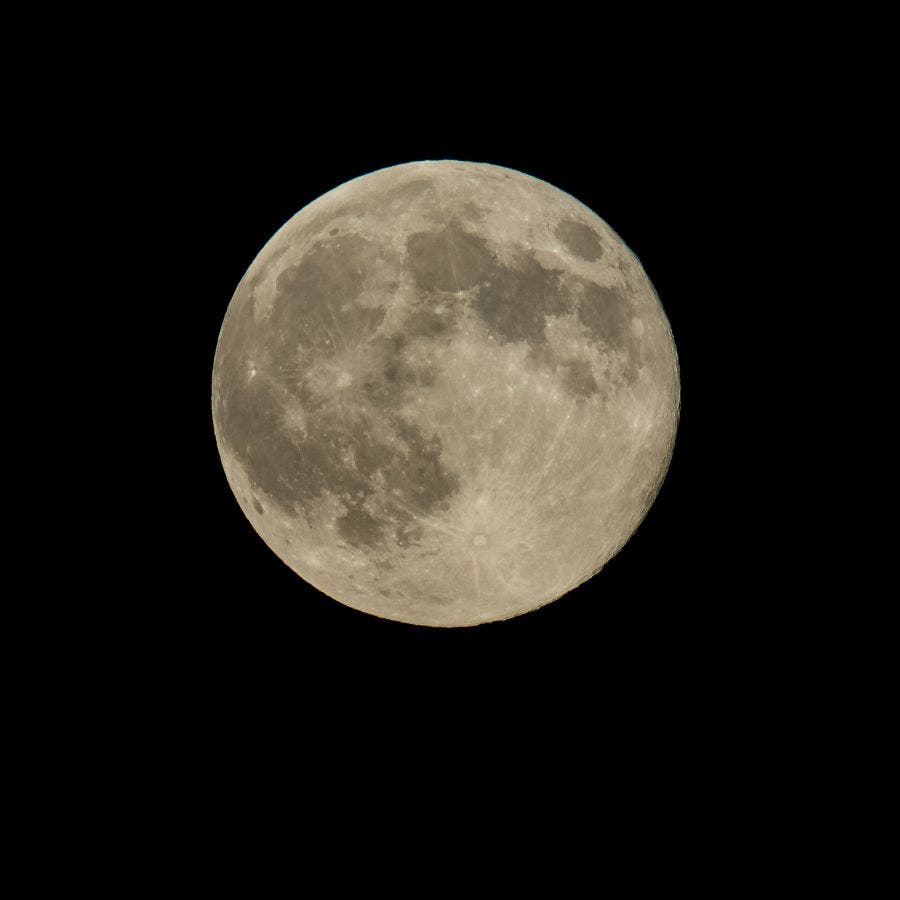
You’ll hear a lot about April’s Pink Moon in the next couple of days, but don’t expect it to look particularly pink. The full moon on Tuesday, April 11, will be the same silvery globe it’s always been.
Native Americans didn’t use calendars, instead relying on observations of seasonal changes and phases of the moon to mark the passage of time. The Pink Moon is so dubbed because it occurs at the same time pink blooms began appearing on wild ground phlox in early spring throughout the United States and Canada. It’s also known as the Grass Moon and the Egg Moon.
Here are five things to know about the April moon:
Find out what's happening in Fremontfor free with the latest updates from Patch.
The moon will be at peak fullness at 2:08 a.m. Eastern Time on April 11. But it will appear full from April 10 to April 12. You’ll want to check your local weather forecast on the Patch homepage to see if the weather will cooperate.
The April full moon sets the date for Easter. According to ecclesiastical rules, Easter falls on the first Sunday after the first full moon following the vernal equinox, according to earthsky.org. The earliest possible date for Easter is March 22; the latest is April 25.
Find out what's happening in Fremontfor free with the latest updates from Patch.
Jupiter will be only a few days past the April 7 opposition — that is, when the Earth passes between the planet and the sun — Jupiter will still be bright, and positioned near the full moon.
You’ll be able to see Saturn, the ringed planet, high in the sky in the predawn hours of Sunday, April 16. Don’t delay, though. Both the moon and Saturn will set in the southwest morning sky, and you won’t be able to see them as the morning sky brightens. National Geographic says even small telescopes will reveal the rings that encircle Saturn and its brightest and largest moons, Titan, Rhea and others.
The moon will have reached its slender crescent stage by April 22, when the Lyrids meteor shower peaks, so it shouldn’t offer too much competition to the Lyrids. The Lyrids are an average meteor shower visible from April 16-25, but the peak only lasts about a day.
Photo by Bill Ingalls/NASA via Getty Images News/Getty Images
Get more local news delivered straight to your inbox. Sign up for free Patch newsletters and alerts.