Weather
Strange Fireballs Light Up CA Skies Two Days In A Row
The meteors could be seen as far away as Mexico, Oregon, Arizona and Nevada, according to the American Meteor Society.

CHOWCHILLA, CA — Californians witnessed rare displays of meteors this week when green fireballs streaking across the sky were visible to millions Sunday and Monday.
The stunning celestial events followed a string of similar meteor showers in the United States. According to the experts, the fireballs seen above California this week don't appear to be connected to the earlier displays across the country. In fact, not much is currently known about the unexpected California meteors, but there are clues.
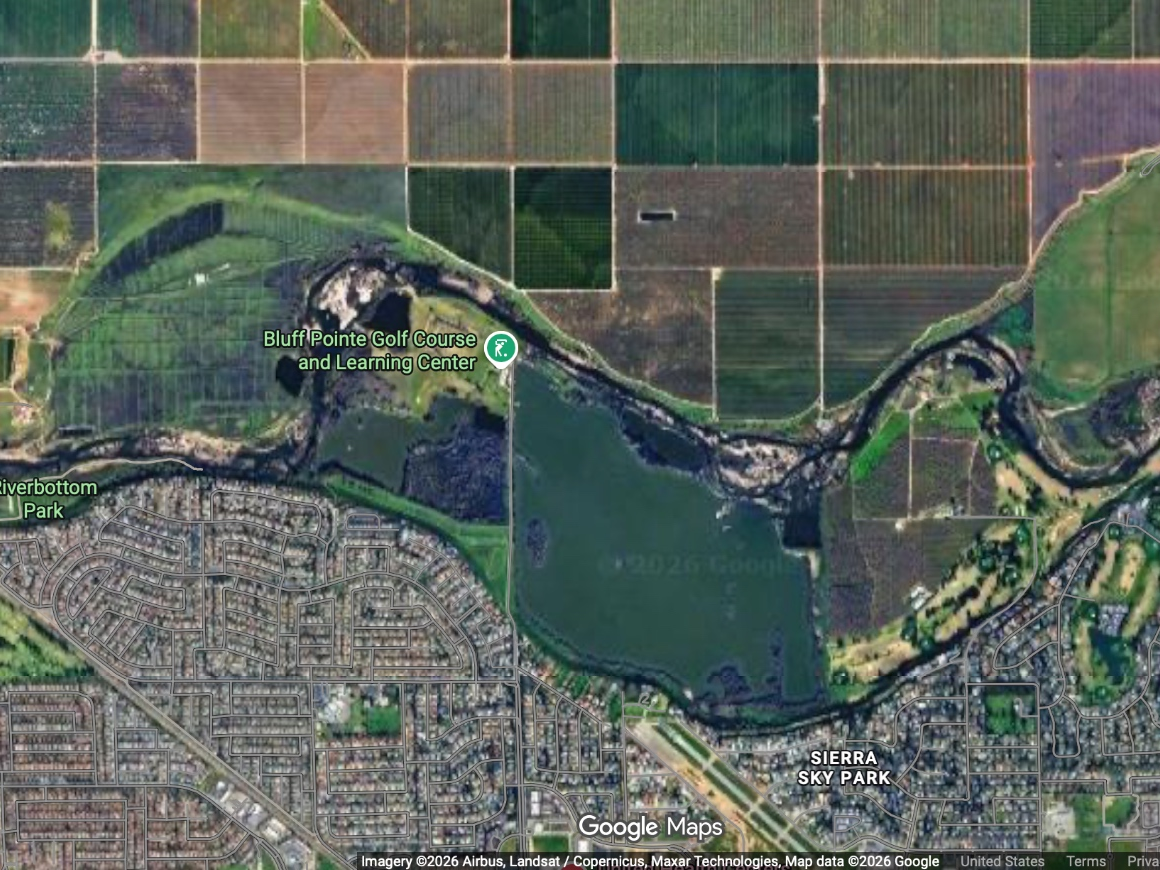
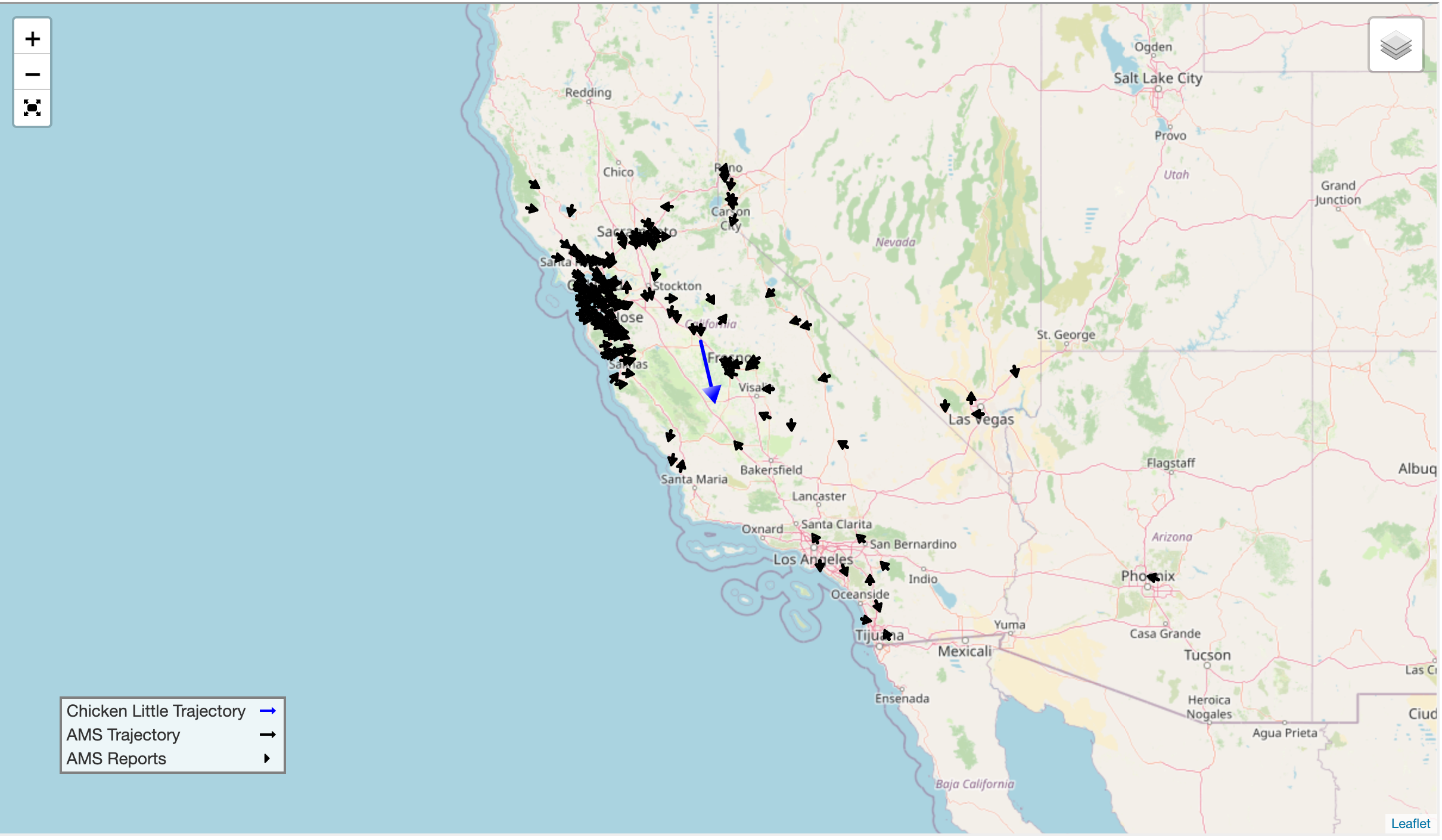
In the Golden State, the first fireballs were spotted Sunday at 8:18 p.m. According to the American Meteor Society, at least two hundred people reported seeing a large meteor as far as Arizona, Nevada and Mexico with eyewitness accounts starting near Chowchilla, a city about 40 miles northwest of Fresno.
Find out what's happening in Fresnofor free with the latest updates from Patch.
The American Meteor Society said the meteor traveled about 35,000 miles per hour over a distance of 58 miles before breaking apart about 29 miles above Colfax.
About 10 hours later, spectacular fireballs were again spotted above a wide swath of Northern California and Oregon. Recordings posted on social media showed a fast-moving fireball with a long tail appearing shortly after 6 a.m. Monday.
Find out what's happening in Fresnofor free with the latest updates from Patch.
The sightings have fascinated stargazers because the next major meteor shower — the Lyrid meteor shower — isn't due until April. However, it's not unusual for meteors to light up the sky in between known meteor showers, according to NASA.
Meteor showers are celestial events in which meteors caused by debris called meteoroids enter the Earth's atmosphere at extremely high speeds on parallel trajectories. Meteors are small fragments that can often be seen radiating in the night sky.
"Meteorite falls are quite common," said SETI Institute Senior Research Scientist Peter Jenniskens, author of Meteor Showers and their Parent Comets. But finding these meteorites is very rare, he added. That only happens 10-12 times per year anywhere on the earth, Jenniskens said. That is why scientists are so excited about two recent meteorites found in Ohio and Texas, where it crashed through the roof of a home.
Those meteorites and the ones seen above California aren't connected. They are on different orbits, indicating they come from different sources, said Jenniskens.
"It looks like just a statistical fluke," said Jenniskens.
The meteorites recently seen above California haven't yet been recovered and aren't believed to be linked to any known meteor shower.
Last year, a new meteor shower from the constellation of Puppis was discovered by cameras of the Global Meteor Network, according to the American Meteor Society.
"It is tentatively called M2025-F1. Rates were low, but activity could have been noticed by someone viewing in this general direction during these nights," the American Meteor Society reported. "If a repeat performance occurs this year, it will most likely occur during the period March 19-23."
It's possible this or another unknown debris field is responsible for the meteors dazzling stargazers in California this week. Patch has inquiries with NASA, CALTECH, the Griffith and Mt Wilson observatories and several astronomy clubs around the state for theories on the recent sightings.
In the meantime, Jenniskens and his team are studying the speed and trajectory of the meteorites to try to triangulate their landing spot and better understand their origin. He encourages people to post videos of the fireballs on social media and share their observations with the American Meteor Society fireball report log. Scientists use the reports to learn more about and hopefully locate meteorites.
Though the latest aerial phenomena above California did not appear to be connected to the previous meterites spotted across the country, scientists are studying those as well.
NASA reported a fireball as recently as Tuesday, which was visible in Indiana, Michigan, Ohio, and Wisconsin.
The multiple reports of meteors in the United States this month have left many people mystified by the sightings, including reports of a loud boom in Pennsylvania and Texas.
According to NASA, the meteors reported in Pittsburgh and Dallas this week produced loud booms.
The meteor reported in Pittsburgh was also seen over Lake Erie traveling at about 40,000 mph before slowing down and breaking apart, according to NASA.
Anyone who sees a meteor can report the sighting by submitting a fireball report to the American Meteor Society.
More California News:
- CA Fashion Giant Closes Dozens Of Stores
- Temecula Valley Balloon & Wine Festival Contract May Be Terminated In 2026: What To Know
- ICE Agents Seen 'Terrorizing' Mother During Arrest At Bay Area Airport, CA Senator Says
- 'I Can't Die Right Now': Large Shark Attacks Surfer At NorCal Beach
- CA Bill Would Expand Legal Options For Conversion Therapy Survivors
- Alligator Lizard Activity Picks Up Early Across SoCal Due To Heat
- Biden Deported More Mexicans Annually Than Trump Did In 2025: Report
Get more local news delivered straight to your inbox. Sign up for free Patch newsletters and alerts.