Health & Fitness
Santa Clara County Sewers Reveal Rate Of Coronavirus Spread
A Stanford University team has been regularly testing wastewater for COVID-19 in Santa Clara County, and they too saw a significant uptick.


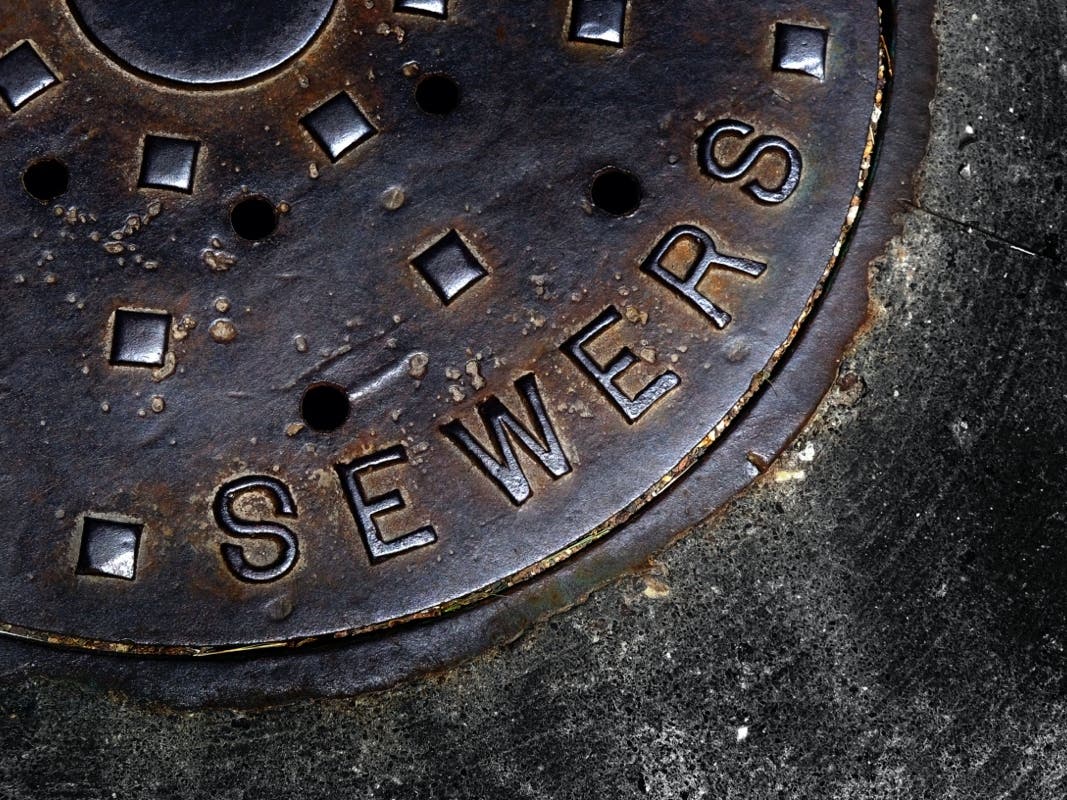
GILROY, CA — As coronavirus testing sites around the Bay Area continue to stack an alarming rate of positive coronavirus cases each day, epidemiologists have discovered an identical surge underground — in a bit of a messier, more pungent environement.
It turns out that human stool can be tested for COVID-19, even from those who are asymptomatic. And Standford University scientists have been tracking cases found in the sewers of Santa Clara, Palo Alto, Sunnyvale, Gilroy and San Jose.
The findings within the study, funded by Stanford University, practically mirrored the local surge in cases found above ground. Like most of California, the South Bay has seen a landslide of new coronavirus cases since November.
Find out what's happening in Gilroyfor free with the latest updates from Patch.
The South Bay area recently surpassed a grim milestone — 50,000 cases, Santa Clara County Public Health Officer Dr. Sara Cody announced at a Dec. 15 Board of Supervisors meeting.
"We are in very bad shape here with the pandemic," Cody said at the meeting. "We're in a place that we never expected to be and we certainly never wanted to be, especially given all the tremendous work and collective sacrifice by every single member of our community."
Find out what's happening in Gilroyfor free with the latest updates from Patch.
At that same meeting, Michael Balliet, Santa Clara County Environmental Health Director, presented the Standford University study and its findings within the county to the Board of Supervisors.
"The data is really promising," he told the board, presenting a chart illustrating the viral detection from the San Jose-Santa Clara Regional Wastewater Treatment Plant.
"In early November you can see [cases] really skyrocketed...which again indicates widespread infections in the community," he said.
On Thanksgiving Day scientists detected the highest levels of infection to date. Balliet told the board the county has continued to analyze and compare the underground data in conjunction with more conventional methods of testing.
"And as you can see it continued to be a high, high, high level detected in wastewater which is very concerning because it’s of a magnitude greater than where we were at even in the June timeframe," Balliet told the board.
Testing wastewater for coronavirus cases offers a less costly and more anonymous analysis of community spread.
"This work confirms that trends in concentrations of SARS-CoV-2 RNA in wastewater tracks with trends of new COVID-19 infections in the community. Wastewater data complements the data from clinical testing and may provide additional insight into COVID-19 infections within communities," co-senior author of the study, Alexandria Boehm, told Stanford News, a Stanford professor of civil and environmental engineering.
The Centers for Disease Control has also encouraged the study of cases found in wastewater. In November, the CDC hired AquaVitas to study 100 treatment plants in each state. The agency has requested labs and local health departments to contribute such data to further the national wastewater coronavirus initiative.
On Monday, Santa Clara County reported 1,139 new coronavirus cases adding to a total of 57,452 cases. Some 24 new deaths were reported Monday, adding to the countywide death toll of 607.
Get more local news delivered straight to your inbox. Sign up for free Patch newsletters and alerts.