Health & Fitness
Steven Nguyen, DDS: Trading Gilroy for Mexico
Steven Nguyen, DDS, On Why People Shouldn't Cross the Border for Dental Work
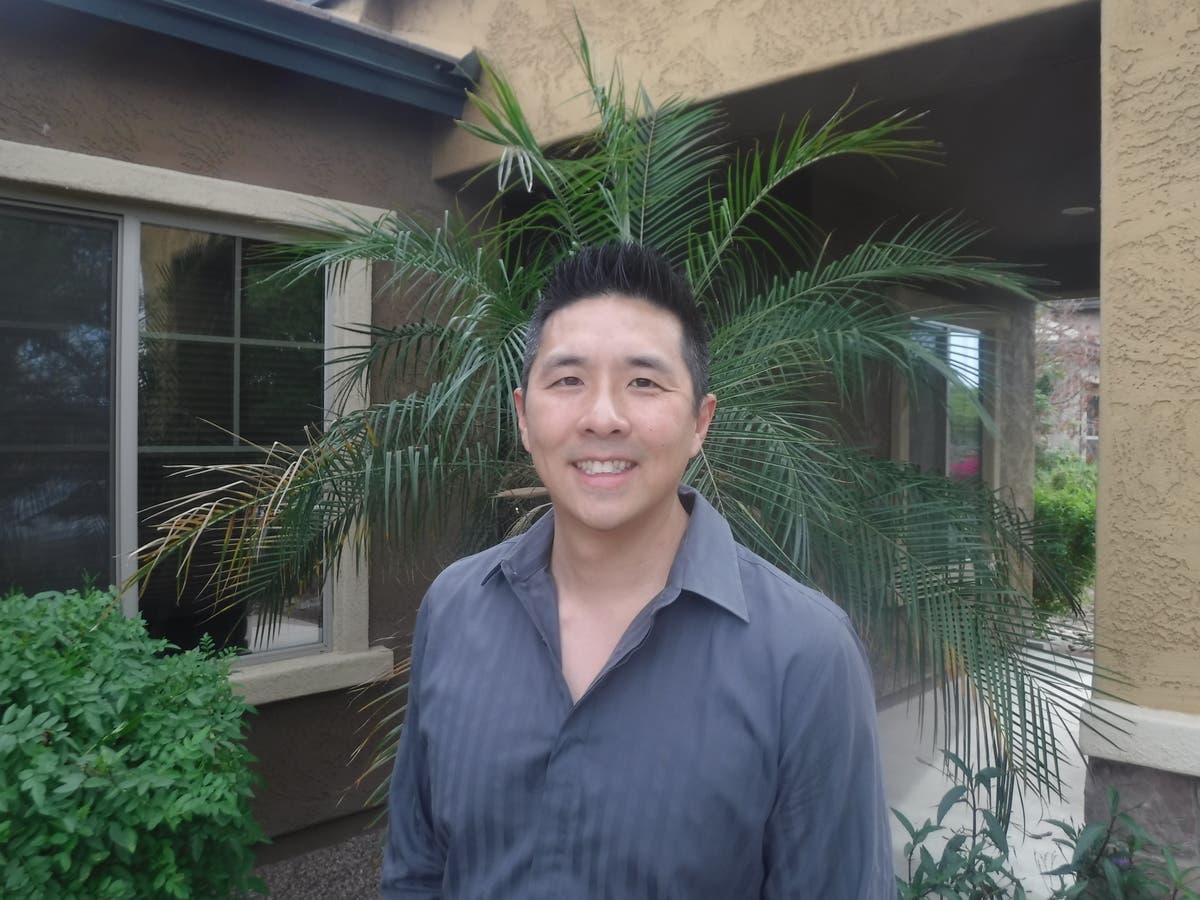
The fact that the United States has one of the most expensive healthcare systems in the world may actually be putting people's health at risk. Given the price disproportionality, many people seek cheaper solutions that may jeopardize their well-being. For example, a regular check-up and cleaning by a dentist in Gilroy will cost around $250 to $300. If one was to compare this to Mexico's fees, however, they would see that the U.S. dentists are almost three times more expensive than those in the neighboring country down south. So, what stops someone from simply taking a quick drive across the border every time that they have a toothache?
There is an Obvious Trade-Off
According to Steven Nguyen DDS, a dentist in Arizona, the reason why dentists in the United States are able to charge high fees comes from their knowledge and rigorous training. All of the certified professionals in the US hold doctorate degrees that are not cheap to come by. So, since dentists have to spend a lot of time and money to get qualified for the job, it is only natural to reflect that effort with higher patient costs. When a patient goes to Mexico, however, they are spending less money while working with someone who is more likely to make a mistake.
Find out what's happening in Gilroyfor free with the latest updates from Patch.
Traveling Must be Accounted For
Some of the latest reports indicate that many Americans are traveling to Juarez to get their dental needs satisfied. This is because the price discrepancies amount to nearly 70-percent discounts when compared to U.S. cities like Gilroy. But, not everyone will benefit from a lower price for their dental work. Consider, for example, somebody who lives in San Diego and somebody who is in Seattle. The person in San Diego can probably get to Juarez in a few hours. For them, doing this makes perfect sense from a time and cost standpoint. If the party from Seattle decided to fly to Mexico, however, their travel costs would undermine the entire discount.
Find out what's happening in Gilroyfor free with the latest updates from Patch.
Safety Takes a Back Seat
As Steven Nguyen DDS, the Arizona dentist stressed, versatile education enables United States dentists to practice dental medicine and dental surgery in a very safe manner. For those who have only worked in Mexico during their life, however, reaching the same health standards that are achieved in the United States may be impossible. Unfortunately, a lot of prospective patients who will make this trip are unaware of these dangers. Considering the fact that a patient will generally only make one trip to Mexico during the time when their procedure is scheduled, this leaves a lot of room for potential misrepresentation as the patient cannot meet their "doctor" beforehand. Dentistry is not regulated in Mexico. Only about 20% of dentists in Mexico are vaccinated for Hepatitis B leaving patients at greater risk. Unsanitary water is also a huge problem in Mexico. Imagine getting dental treatment and surgery in Mexico and having untreated water that have higher levels of contaminants and even human waste in your mouth—exposing you to dangerous disease.
Not the Same Upbringing
In order for a U.S. student of dentistry to become qualified to actually treat people, they must pass a plethora of written tests, personality interviews, and additional materials. They must graduate top of the class from four years of college, then attend four years from a federally accredited dental school. Some dentists even attend additional specialty training and residencies to improve their dental skill set prior to going to private practice. Such a rigorous procedure is put in place by administrative bodies that are non-existent in Mexico. Thus, almost anyone who looks like a dentist could pretend to be one in Mexico. Working on one's teeth and dental health should require regulations in place that ensure licensed dentists have proper training and a clean criminal background. What is the easiest way to avoid these dark predicaments? Do not try to beat the system and go to Mexico for a procedure that can be done within the borders of the United States. Would you go to Mexico for open heart surgery or cancer treatment? Why would you do it and risk your dental oral health? Sometimes you do get what you pay for.
An Abundance of Offers
Most professionals are well aware of the fact that there is an entire hidden market of people who are not able to afford high-quality dental care. One of those professionals is Steven Nguyen DDS, the dentist from Arizona who has found a few options that can help individuals who fit this description. Visiting an office like Tru Value Dental and Denture Center in Mesa with reduced fees, affordable prices, and payment plans actually help many patients get necessary dental treatment without going to Mexico. For example, instead of risking one's life to run to Juarez or some other town in Mexico, individuals can easily negotiate a discount or a payment plan with their dentist. Even commercial offices have no problem offering discount packages where targeted groups will be able to save money. The aforementioned packages include things like letting people enrolled in college classes get a 10-percent discount or cutting down all prices by $100’s for veterans.
Thinking About Longevity
If a person gets all of their teeth treated in the United States, they can always count on their dentist to help them if things go wrong in the next few years. Those who go to Mexico, on the other hand, are going to have some issues upholding warranty agreements. Given the incredibly complicated nature of lawsuits that are filed against people from other countries, it may be practically impossible to get the lost money back. Therefore, the only good thing that will come out of the Mexican-based treatment is one's ability to see a part of another country and add it to their list of visited places. Otherwise, it is simply a dangerous choice that can have severe repercussions.