Health & Fitness
Business Entertaining Over a Meal: Etiquette for Various Meals
How to entertain at breakfast, lunch, afternoon tea and dinner.
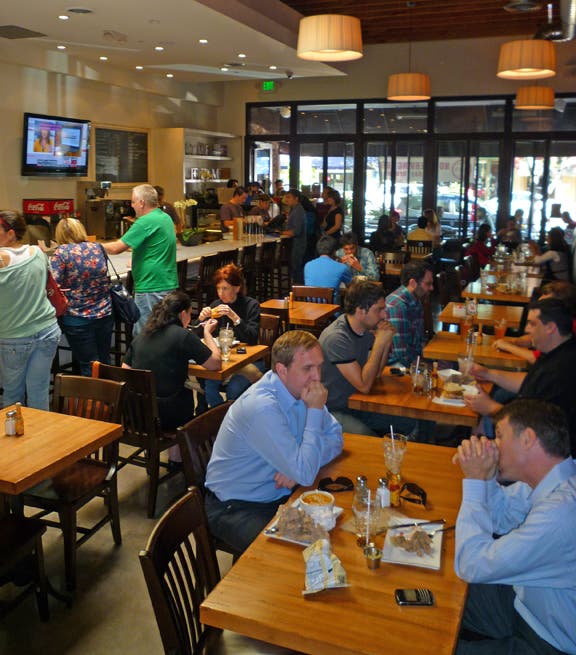
As a host, it’s your duty to handle the smallest of details, from the reservation to the menu to the tip. It’s important to consider the likes and dislikes of your guests when entertaining.
It’s not enough just to be gracious. Are the needs of your guests being met? Are you listening for a conversational lull, ready to jump in when necessary? Whichever meal you choose, each presents an occasion to entertain for business outside the office.
Find out what's happening in Healdsburgfor free with the latest updates from Patch.
- The breakfast business meeting is a weekday priority. It doesn’t break up your day, and your caffeine fix comes early. Plus, who can turn down breakfast when you’re willing to meet at 7 a.m.?
- Forty-five minutes to an hour is plenty of time for early-morning entertaining.
Find out what's happening in Healdsburgfor free with the latest updates from Patch.
- A breakfast meeting is especially convenient when you’re traveling or meeting a client on a limited schedule. Your phone doesn’t ring, and there will be few interruptions.
- Breakfast foods such as omelettes and fruit salads are easy to eat. Avoid cold cereals, crisp bacon, fried eggs, or grapefruit, as they may soil your clothes before you arrive at the office. There is simply too much room for error with these foods.
- If you need to leave the table, the napkin stays on the chair so no one sees the stains. When the meal is over, the napkin is placed loosely to the left of your plate.
- Lunch should last no more than 90 minutes.
- When extending an invitation, the restaurant location should be convenient for your guest, not you.
- Your guest is seated first and always with the best view away from the restroom, kitchen, or facing a mirror.
- Never order foods that are difficult to eat. If it requires too much attention, don’t order it! Instead, stick with “safe” foods like grilled meats or salads, and avoid potentially messy cream soups or pastas.
- Your guest always orders first, but it’s up to you to offer suggestions in different price ranges so he or she is comfortable choosing anything from a Caesar salad to steak frites.
- Always order the same number of courses as your guest so there’s balance at the table. The same rule applies for drinks, alcoholic or not. The goal is to never leave your guest eating or drinking alone.
- If you excuse yourself during the meal to make a phone call or use the restroom, give no information other than “Please excuse me.”
- High Tea or Afternoon Tea? High tea is not finger sandwiches, scones, and sweets but an early-evening meal with tea. The term originated during the Industrial Revolution for workers who had to combine afternoon tea and the evening meal after work.
- The traditional time for afternoon tea is four o’clock, but anytime between two and five o’clock is appropriate.
- Afternoon tea is a unique way to entertain, but should be reserved for a first meeting only. Unlike breakfast or lunch, it takes place in a more relaxed setting. You might even get home early for a change.
- Afternoon tea is less of a hassle than other meals because the food comes prepared. Besides, how can anyone be stressed over a scone?
- When eating scones, spread the jam first, then the cream. For tea, avoid using milk and lemon together, as the citric acid of the lemon will cause the milk to curdle.
- Entertaining in the evening should be reserved for special clients, someone you want to impress, or a client visiting from another city. It may even be at his or her suggestion.
- Always include a spouse or guest in the invitation and in conversation. Dinners take place only Monday through Thursday; Friday is considered part of the weekend.
- Dinner is a social and relaxing way to discuss business, and a good time to get to know your guest on a more intimate level.
- Don’t use the occasion to try a new restaurant. Choose a special place that you’re comfortable with and where the staff knows you.
- There should be no question as to who’s in charge of the evening. Think of the restaurant staff as an extension of your meal: You are the director, and they are the crew while your production is taking place. And always treat the staff as you would a member of your own team!
Lisa Mirza Grotts is a recognized etiquette expert and the author of A Traveler’s Passport to Etiquette. She is a former director of protocol for the City & County of San Francisco and the founder of The AML Group, (www.AMLGroup.com), certified etiquette and protocol consultants. Her clients range from Cornell University and Microsoft to Nordstrom and KPMG. She has been quoted by The Sunday Times, the San Francisco Business Journal, the Los Angeles Times, and USA Today. She has appeared on various radio and television stations, such as ABC, CBS, and Fox News. To learn more about Lisa, follow her on www.Facebook.com/LisaGrotts and www.Twitter.com/LisaGrotts.