Arts & Entertainment
Actors Could Strike Wednesday: Here's What That Means For Your Favorite Shows
If SAG-AFTRA joins the WGA in a strike, production in Hollywood — almost entirely shut down — would come to a complete and total halt.


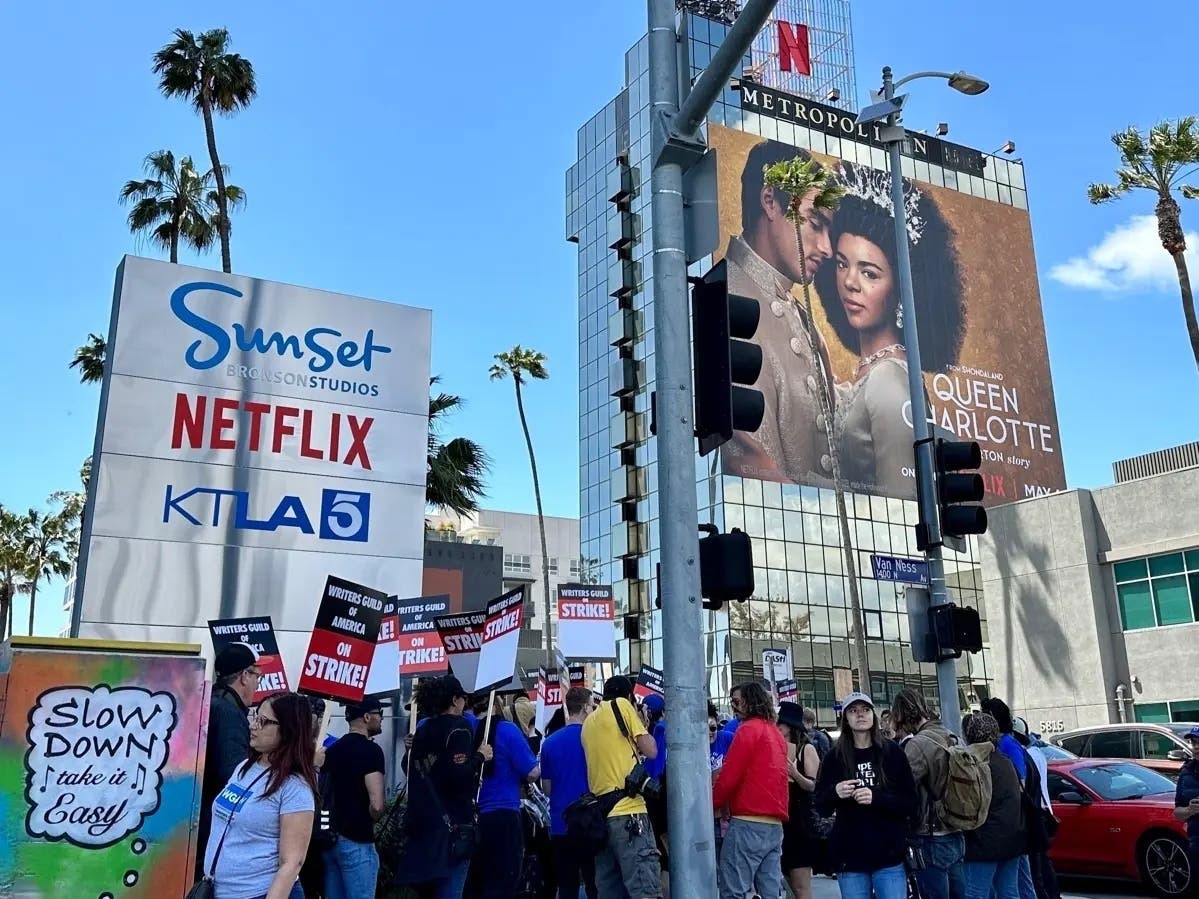
HOLLYWOOD, CA — Film and TV actors could soon join Hollywood writers in a strike if the studios and the union representing performers can't reach a deal by Wednesday night.
Such a strike would be historic: The last time both actors and writers struck was in 1960. And it would also turn the existing de-facto Hollywood shutdown into a total closure — turning up the heat for studios to make a deal with both the Writers Guild of America and SAG-AFTRA, the 160,000-strong union representing actors.
The WGA strike has already wreaked havoc on Hollywood: The New York Times estimates that 80 percent of production has been shut down since the strike began on May 2.
Find out what's happening in Hollywoodfor free with the latest updates from Patch.
That includes every single major film and TV production within the Los Angeles city limits as of the end of last month, according to Los Angeles Magazine.
While a small amount of production is still ongoing in other locations, the WGA has found success in picketing ongoing productions, often getting actors and other crew members to join them on the picket line.
Find out what's happening in Hollywoodfor free with the latest updates from Patch.
If SAG-AFTRA strikes, every single major production would be forced to shut down — no one to act, no show to shoot. The exception is very small, non-union projects.
In the short term, not much would change for film and TV fans: Studios and streamers have a backlog of content they're able to release. But the longer a strike lasts, fewer movies and shows will be available down the road.
But a strike is certainly to be felt in communities like Los Angeles that depend on production. During the 100-day WGA strike in 2007-08, the economic cost totaled between $2 billion and $3 billion, according to various estimates.
At issue is a contract, already extended once, between SAG-AFTRA and the group representing studios. That contract is set to expire Wednesday at 11:59 p.m.
The points of contention mirror those that have created an impasse between the studios and WGA: minimum pay, residual payments for streaming content and the use of artificial intelligence.
Get more local news delivered straight to your inbox. Sign up for free Patch newsletters and alerts.