Business & Tech
Warner/Chappell Music Agrees to Make 'Happy Birthday' Public Domain
The Music publishing company also agreed to pay $14 million to those forced to pay licensing fees over the last 50 years.


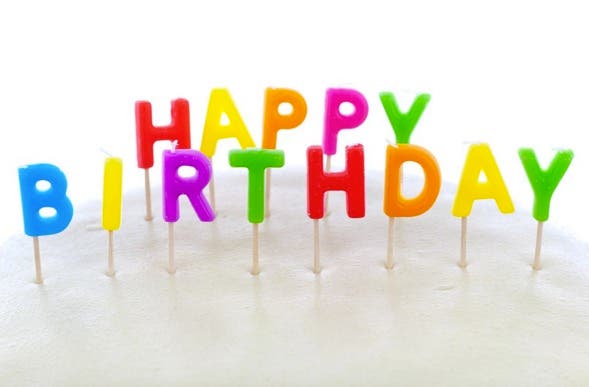
LOS ANGELES, CA Warner/Chappell Music has agreed to pay $14 million to end a long-running copyright dispute over royalty rights to “Happy Birthday” -- billed as the most recognized song in the English language, court documents obtained today show.
The settlement, outlined in a filing Monday in Los Angeles federal court, would end the music publisher’s claim of ownership and the song would be placed in the public domain for use at no charge.
Before it can be finalized, U.S. District Judge George H. King must sign off on the agreement. A hearing is scheduled for March 14.
Find out what's happening in Hollywoodfor free with the latest updates from Patch.
“We are pleased to bring this matter to resolution,” a Warner/Chappell spokeswoman said in a statement.
According to the terms of the proposed settlement, the money would be distributed among those who paid licensing fees for the song during the previous five decades.
Find out what's happening in Hollywoodfor free with the latest updates from Patch.
King ruled last September that the song was not legally owned by publisher Warner/Chappell Music, but refrained from declaring the ditty to be in the public domain.
A trial would have dealt with further questions of ownership based around an appeal from a charity apparently co-founded by Patty Hill, the schoolteacher who wrote “Happy Birthday’ in the late 19th century.
Documentary filmmaker Jennifer Nelson filed suit in 2013 after she was billed $1,500 to use the composition in a film she planned to make about the song’s history.
The plaintiffs argued that Warner/Chappell should return millions of dollars collected in license fees over the years.
The music publishers reportedly collected as much as $2 million annually for use of the tune.
Warner/Chappell -- which acquired the company that previously claimed ownership of the song -- argued that the tune was given legal copyright protection in 1935 and the publisher has the right to collect fees on the song.
City News Service; pixabay.com
Get more local news delivered straight to your inbox. Sign up for free Patch newsletters and alerts.