Arts & Entertainment
What To Watch This Weekend: 'The Hunger Games: Sunrise On The Reaping,' 'Elsinore,' 'Josephine,' And 'Steps'
Andrew Scott, Channing Tatum, Ali Wong, Gemma Chan, Amanda Seyfried, Joseph Zada navigate stories of trauma, resilience and transformation.


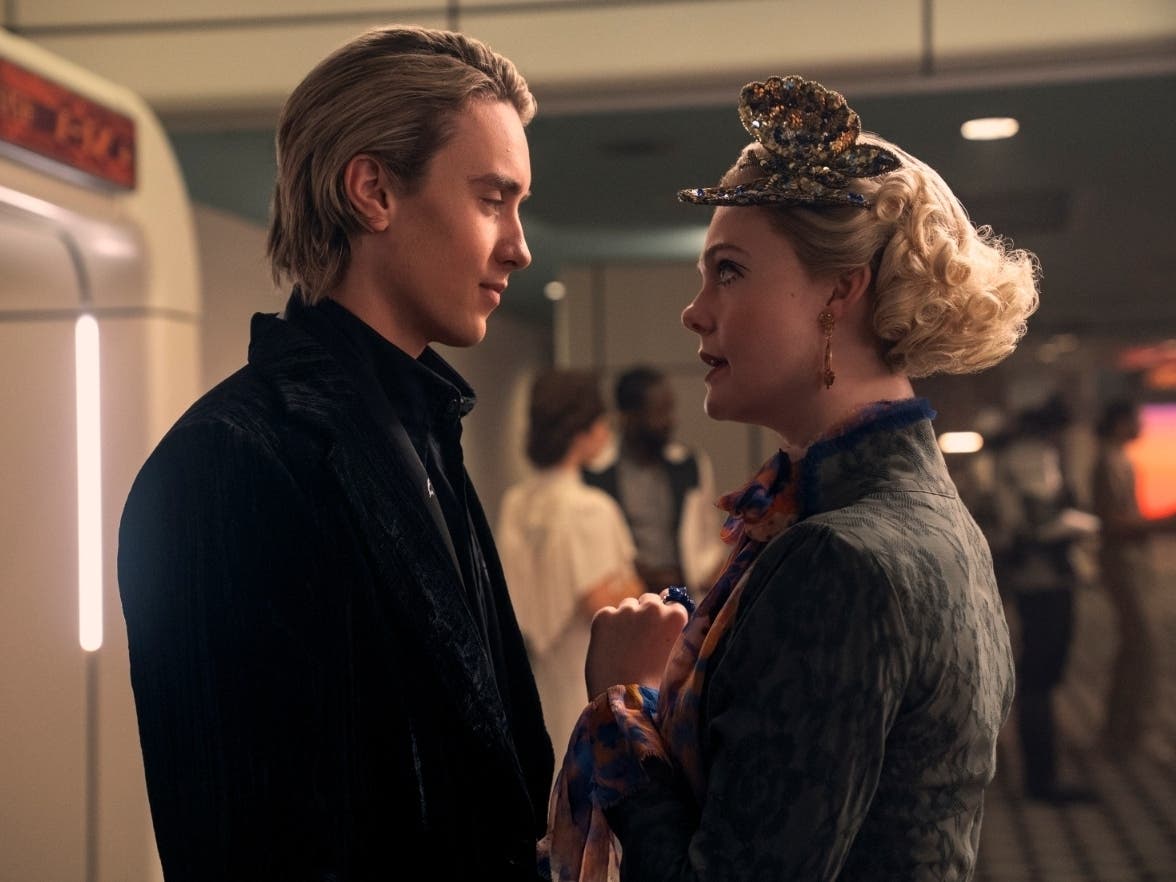
HOLLYWOOD, CA — This week's lineup explores how people respond when life changes in ways they never anticipated.
In theaters, “The Hunger Games: Sunrise on the Reaping,” “Elsinore” and “Josephine” follow characters confronting trauma, loss and uncertain futures, whether through political resistance, artistic expression or the struggle to make sense of experiences that defy understanding.
On streaming, Netflix's “Steps” revisits a familiar fairy tale from an unexpected perspective, transforming a story of rivalry into one centered on forgiveness and self-discovery.
Find out what's happening in Hollywoodfor free with the latest updates from Patch.
Ready to dive in? Scroll on for the full lineup as the capsules below explore the stories, themes and creative ambitions behind this week's most notable releases.
Related
Find out what's happening in Hollywoodfor free with the latest updates from Patch.
- Other Titles To Watch: 'Ebenezer,' 'Paper Tiger,' 'Victorian Psycho,' 'The Rings Of Power S3,' 'Black Doves S2'
- Other Titles To Watch: 'Wild Horse Nine,' 'I Play Rocky,' 'Club Kid,' 'Being Heumann,' 'The Cat in the Hat'
- Other Titles To Watch: 'Clayface,' 'Klara And The Sun,' 'Ali G: Who Iz I?,' 'Wildwood,' 'Wicker,' 'Phony'
- Other Titles To Watch: 'Whalefall,' 'Sense And Sensibility,' 'Street Fighter,' 'VisionQuest,' And 'Crystal Lake'
What To Watch This Weekend
The Hunger Games: Sunrise on the Reaping”
Joseph Zada, Mckenna Grace, Jesse Plemons, Ralph Fiennes; directed by Francis Lawrence

Francis Lawrence's “The Hunger Games: Sunrise on the Reaping” examines the relationship between resistance and sacrifice, tracing how a young man's defiance of authoritarian power becomes inseparable from the personal losses it demands. Set during the 50th Hunger Games, the film revisits Panem through the story of Haymitch Abernathy (Joseph Zada), years before he became the disillusioned mentor audiences first encountered in the original series. In exploring Haymitch's transformation, the film expands the franchise's longstanding interest in power, submission and rebellion, framing political resistance not as an act of heroism alone but as a burden carried long after the moment of defiance has passed.
Zada brings conviction and vulnerability to the role, capturing a version of Haymitch defined by hope, compassion and a growing awareness of the forces arrayed against him. Lawrence balances arena spectacle with a more tragic and introspective narrative, emphasizing the emotional consequences of survival alongside the brutality of the Games themselves.
Though the film revisits many of the familiar structures and themes that have long defined the franchise, it uses them to deepen one of its most enduring characters. The result is a darker and more emotionally driven return to Panem, one concerned as much with the human cost of resistance as with the rebellion it helps inspire.
“Elsinore”
Andrew Scott, Olivia Colman, Billie Piper, Johnny Flynn; directed by Simon Stone

For Ian Charleson, the opportunity to play Hamlet arrived at precisely the moment it seemed most out of reach. Simon Stone's “Elsinore” recounts the acclaimed Scottish actor's final months as he prepares to assume Shakespeare's most demanding role while living with AIDS, transforming a backstage drama into a meditation on mortality, legacy and the enduring power of artistic expression. Set against the final years of the AIDS crisis in Britain, the film explores what it means to continue creating when time itself has become uncertain.
Theater itself becomes the film's organizing principle. Rehearsal rooms, hospital wars and the National Theatre emerge as interconnected spaces where art, illness and community continually overlap, allowing Charleson's personal struggle to resonate beyond the individual. At the center of that world is Andrew Scott, whose portrayal of Charleson has drawn widespread acclaim for its emotional depth and vulnerability.
Rather than treating performance as an escape from suffering, “Elsinore” presents it as a means of confronting it, suggesting that creative expression can provide meaning even when it cannot provide rescue. The result is a moving reflection on artistry, resilience and the desire to leave something lasting behind.
“Josephine”
Mason Reeves, Channing Tatum, Gemma Chan; directed by Beth de Araújo
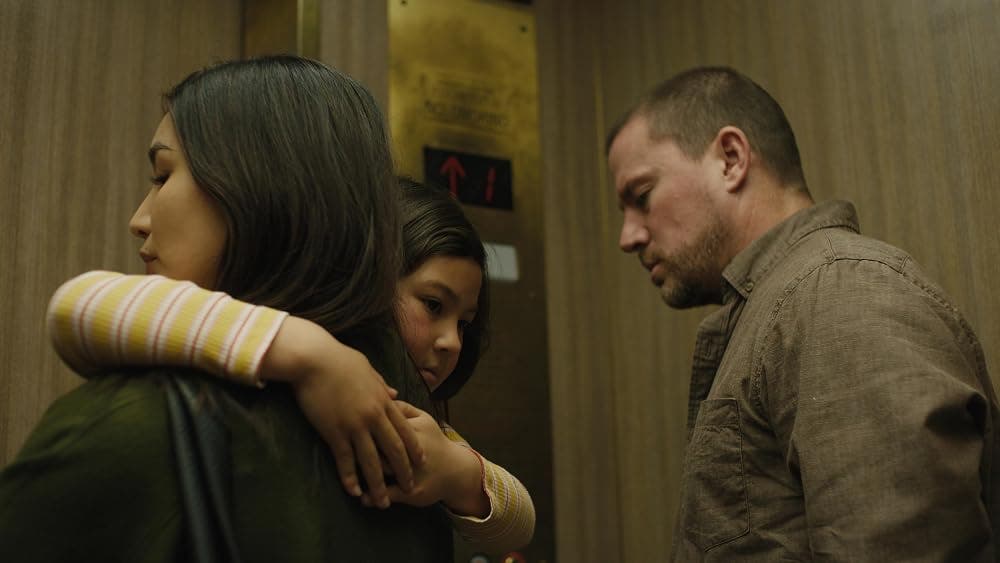
Some experiences arrive before the language needed to understand them. Beth de Araújo's “Josephine” centers on Josephine (Mason Reeves), an eight-year-old girl whose sense of safety is shattered after witnessing a violent crime in San Francisco's Golden Gate Park. As she struggles to process what she has seen, her parents, Damien (Channing Tatum) and Claire (Gemma Chan), confront the challenges of helping their daughter navigate trauma, fear and the demands of a justice system seeking her testimony. Rather than focusing on the crime itself, the film traces its aftermath, examining how confusion, grief and uncertainty reverberate through a family struggling to make sense of an event that cannot be undone.
Viewed largely through Josephine's perspective, the film transforms everyday spaces into landscapes of unease, capturing the ways trauma can reshape a child's understanding of the world around her. The adults repeatedly find themselves confronting the limits of explanation, protection and reassurance, while Josephine searches for meaning in experiences that exceed her ability to comprehend them.
Widely praised for its emotional intelligence and psychological complexity, “Josephine” pairs an acclaimed breakthrough performance from Reeves with a compassionate examination of innocence, fear and recovery. Ultimately, it becomes a powerful and deeply affecting exploration of how families endure after life's certainties have been shattered.
“Steps”
Ali Wong, Stephanie Hsu, Amanda Seyfried, Bette Midler; directed by Alyce Tzue and John Ripa

Every fairy tale depends on a villain, and few have been saddled with that role more thoroughly than Cinderella's stepsisters. Netflix's animated musical “Steps” revisits the familiar story from the perspective of Lilith (Ali Wong) and Margot (Stephanie Hsu), challenging long-held assumptions about who gets to tell a story and who gets written into it. What begins as a revisionist take on a classic fairy tale gradually evolves into a story about family, forgiveness and the possibility of rewriting narratives that have calcified into legend.
Rather than framing Cinderella (Amanda Seyfried) and her stepsisters as simple adversaries, the film reimagines their relationship as one shaped by misunderstanding, resentment and a shared desire for connection. Blending musical numbers, fantasy adventure and self-aware humor, “Steps” offers a contemporary reworking of a familiar tale that places reconciliation and personal growth at the center of the story.