Arts & Entertainment
What To Watch This Weekend: 'Wild Horse Nine,' 'I Play Rocky,' 'Club Kid,' 'Being Heumann,' And More
John Malkovich, Sam Rockwell, Ruth Madeley and Bill Hader lead stories of resilience, responsibility and transformation.


HOLLYWOOD, CA — This week's lineup considers the transformative power of change, whether embraced willingly or imposed without warning.
“I Play Rocky” and “Being Heumann” examine individuals confronting institutions and expectations in pursuit of larger goals, while “Club Kid” explores responsibility, belonging and the challenges of growing beyond an identity built around perpetual youth.
Elsewhere, “The Cat in the Hat” reimagines a familiar literary world through a fantastical adventure centered on imagination, resilience and the uncertainties that accompany life's transitions.
Find out what's happening in Hollywoodfor free with the latest updates from Patch.
Ready to dive in? Scroll on for the full lineup as the capsules below explore the stories, themes and creative ambitions behind this week's most notable releases.
Related:
Find out what's happening in Hollywoodfor free with the latest updates from Patch.
- Other Titles To Watch: 'Clayface,' 'Klara And The Sun,' 'Ali G: Who Iz I?,' 'Wildwood,' 'Wicker,' 'Phony'
- Other Titles To Watch: 'Whalefall,' 'Sense And Sensibility,' 'Street Fighter,' 'VisionQuest,' And 'Crystal Lake'
- Other Titles To Watch: 'Digger,' 'Verity,' 'East Of Eden' Season 1, And 'War' Season 1
What To Watch This Weekend
“Wild Horse Nine”
John Malkovich, Sam Rockwell, Mariana Di Girolamo, Ailín Salas; directed by Martin McDonagh
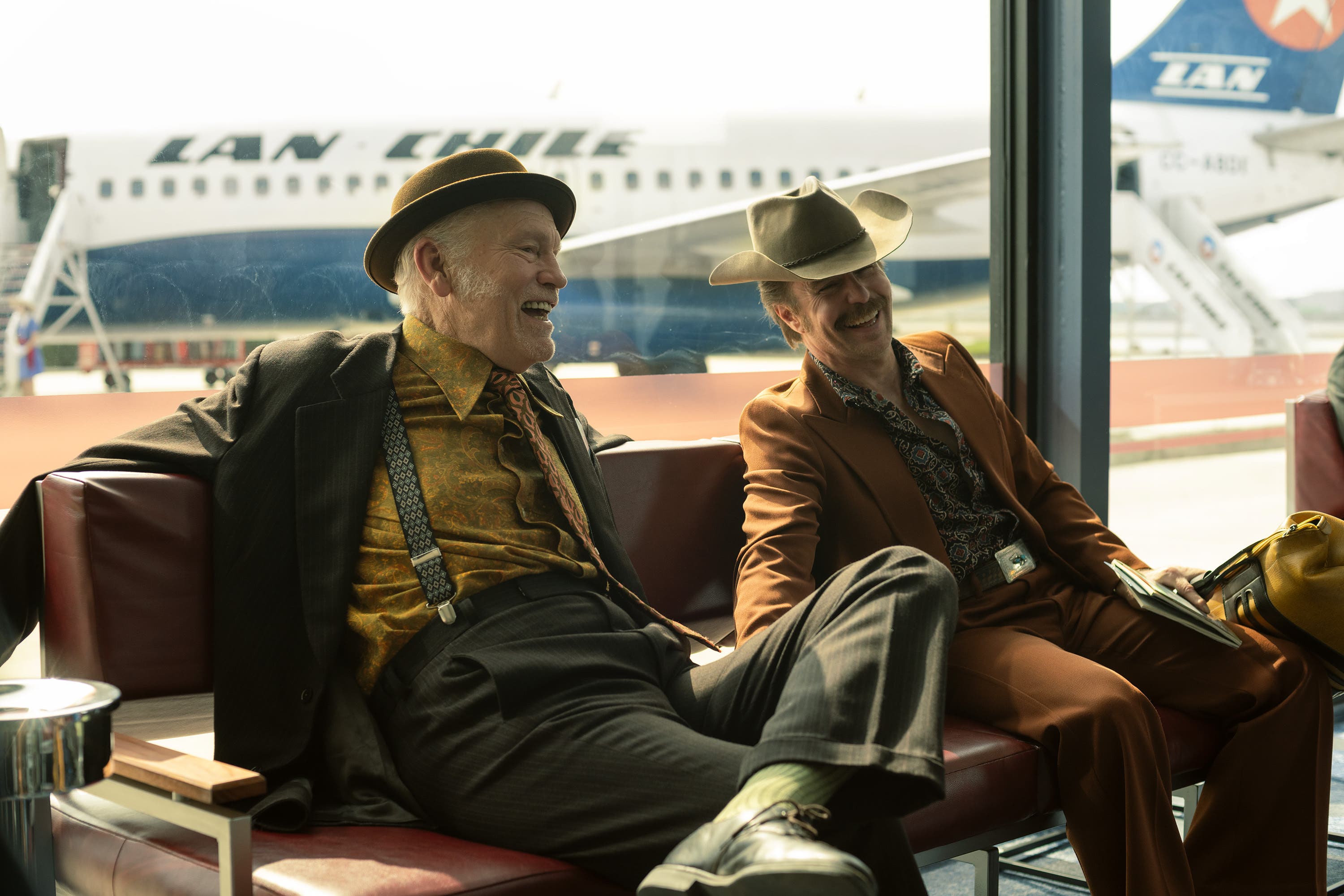
In Martin McDonagh's “Wild Horse Nine,” friendship, mortality and political responsibility converge amid political upheaval. Long-standing bonds endure, old certainties give way to doubt, and personal introspection collides with the forces of history. Centering on veteran CIA operatives Chris (John Malkovich) and Lee (Sam Rockwell), the film revisits many of the themes that have defined McDonagh's work.
Comparisons to “In Bruges” and “The Banshees of Inisherin” are inevitable. Like those films, “Wild Horse Nine” revolves around a friendship shaped by guilt, loyalty and the weight of past decisions. Yet McDonagh's interests ultimately lie beyond the friendship itself. By situating that bond within the context of the 1973 Chilean coup, he transforms a familiar moral reckoning into one of his most ambitious examinations of private crises and public consequences.
Malkovich and Rockwell bring lived-in warmth and complexity to the film's emotional core, balancing melancholy, mordant humor and the burden of long-suppressed truths. McDonagh's characteristic fusion of comedy and discomfort remains intact, while Ben Davis' evocative cinematography uses the isolation of Easter Island as a setting for reflection, confession and reckoning.
Though the enormity of the historical tragedy surrounding its characters occasionally threatens to overwhelm the intimate drama at its center, “Wild Horse Nine” remains a thoughtful and emotionally resonant meditation on friendship, accountability and the persistence of the past.
“I Play Rocky”
Anthony Ippolito, AnnaSophia Robb, Matt Dillon, Toby Kebbell; directed by Peter Farrelly

Peter Farrelly's “I Play Rocky” is less concerned with the mythology of Sylvester Stallone (Anthony Ippolito) than with the creative conviction that made that mythology possible. Revisiting the years before “Rocky” became a cultural phenomenon, the film examines the tension between artistic ownership and commercial opportunity, finding drama in a struggle to protect a vision that few others believed in. In doing so, Farrelly transforms a familiar Hollywood success story into a reflection on perseverance, self-belief and the risks that accompany creative ambition.
Ippolito anchors the film with a performance that captures both the vulnerability and determination of a young Stallone, balancing recognizable mannerisms with emotional authenticity. Farrelly approaches the material with warmth and sincerity, emphasizing the combination of persistence, luck and faith that often underlies artistic breakthroughs.
Rather than searching for revelations about its subject, the film finds its emotional power in the uncertainty that precedes success, focusing on the compromises resisted and the setbacks endured before “Rocky” reached the screen. Though its affection for the original occasionally results in familiar biographical beats, “I Play Rocky” remains an earnest and engaging celebration of artistic resilience, creative ownership and the enduring appeal of the underdog story.
“Being Heumann”
Ruth Madeley, Mark Ruffalo, Dylan O'Brien, Rob Delaney; directed by Siân Heder
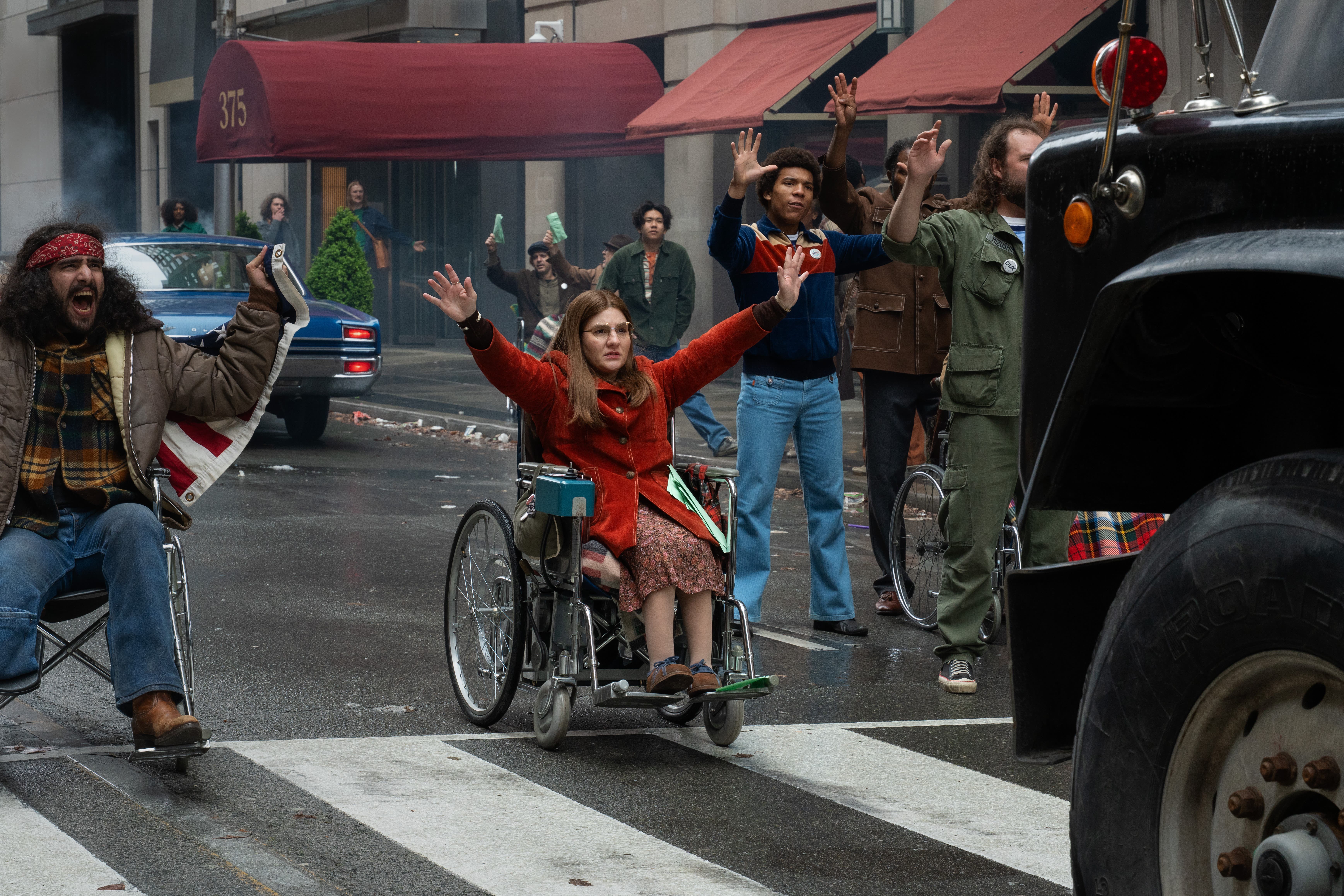
Siân Heder's “Being Heumann” examines the relationship between visibility and power, tracing how a movement built by people repeatedly excluded from public life transformed accessibility from a matter of accommodation into a question of civil rights. Focusing on the landmark 1977 protests that led to the implementation of Section 504 of the Rehabilitation Act, the film explores collective action, political agency and the struggle to force institutions to recognize lives they have long ignored. Rather than presenting social change as inevitable, Heder emphasizes the persistence, organization and solidarity required to secure even the most basic protections and opportunities.
At the center of the film is Ruth Madeley's portrayal of disability-rights activist Judith Heumann, a performance that balances political resolve with a deeply human understanding of the frustrations and victories that shaped her activism. Surrounding her is a cast of disabled performers who lend immediacy and authenticity to a story concerned as much with community as individual achievement.
Heder approaches the material with compassion and conviction, balancing the mechanics of political advocacy with the personal experiences that gave the movement its urgency. Though its conventional dramatic structure occasionally smooths over some of the complexities of its history, “Being Heumann” remains a stirring and emotionally resonant portrait of activism, dignity and the ongoing struggle for equal participation in public life.
“Club Kid”
Jordan Firstman, Cara Delevingne; directed by Jordan Firstman
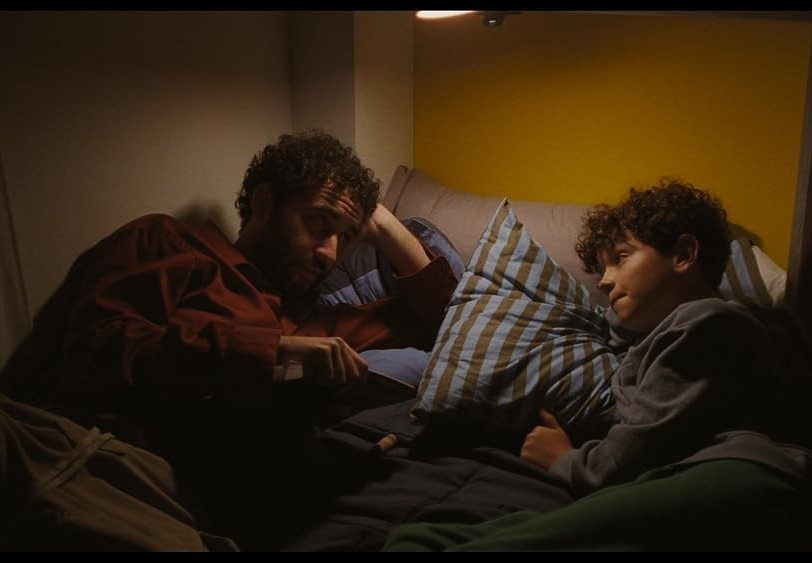
Jordan Firstman's “Club Kid” explores the tension between self-invention and self-preservation, examining what remains of an identity built around perpetual youth when adulthood finally demands recognition. Set within New York's nightlife scene, the film follows Peter (Jordan Firstman), a longtime party promoter whose carefully cultivated world is disrupted by the sudden arrival of a son he never knew existed. What begins as a portrait of hedonism and arrested development gradually evolves into a reflection on responsibility, chosen family and the difficult process of accepting change without abandoning the person one has been.
Through Peter, the film examines the uneasy transition from reinvention to responsibility, finding emotional depth beneath the excesses of club culture. Firstman balances sharp humor with unexpected vulnerability, allowing the character's gradual confrontation with adulthood to unfold without easy sentimentality.
Though its premise recalls familiar parenthood narratives, “Club Kid” distinguishes itself through its empathy, emotional honesty and nuanced understanding of personal growth. More than a story about settling down, it suggests that maturity lies not in abandoning one's past but in learning which parts of it are worth carrying forward.
“The Cat in the Hat”
Bill Hader, Xochitl Gomez, Tiago Martinez, America Ferrera; directed by Alessandro Carloni and Erica Rivinoja
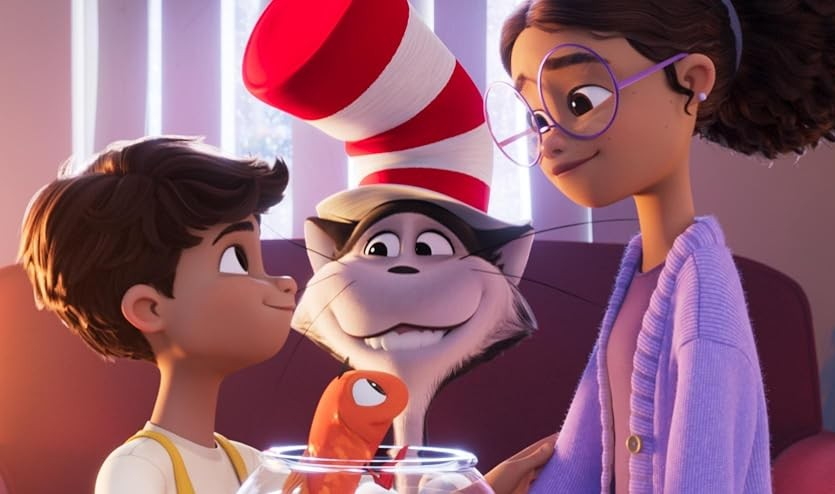
Change, imagination and the search for belonging drive this new animated reimagining of Dr. Seuss' “The Cat in the Hat.” Expanding the mischievous feline's world beyond the confines of the original book, the film follows a pair of siblings struggling to adapt to life in a new town as an encounter with the Cat (Bill Hader) carries them into increasingly fantastical realms. Their journey transforms a familiar tale of playful chaos into a larger story about transition, uncertainty and the challenges of leaving the familiar behind.
Directed by Alessandro Carloni and Erica Rivinoja, the film uses Seussian whimsy as a framework for exploring how imagination can shape the way children navigate upheaval and change. By connecting the Cat's trademark irreverence to a story centered on relocation and adaptation, “The Cat in the Hat” positions fantasy not simply as an escape from reality but as a means of understanding it, inviting audiences into a colorful adventure built around curiosity and resilience.
Get more local news delivered straight to your inbox. Sign up for free Patch newsletters and alerts.