Arts & Entertainment
'The Further Mis-Adventures of Cliff Booth' Review: Brad Pitt Brings The Man Behind the Legend Into Focus
Eschewing conventional urgency for a looser, episodic rhythm, Brad Pitt anchors a compelling study of myth and man.


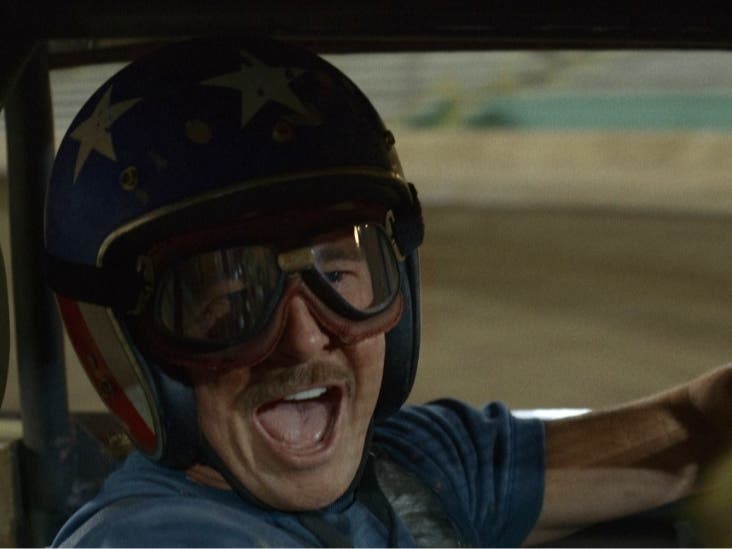
HOLLYWOOD, CA — David Fincher's “The Further Mis-Adventures of Cliff Booth” returns to one of Quentin Tarantino's most enigmatic creations, expanding a mythology built from fragments, rumors and half-remembered stories without sacrificing its mystique. Eschewing conventional urgency in favor of a looser, episodic rhythm, the film remains consistently engaging, anchored by Brad Pitt's effortless swagger and a growing curiosity about the man behind the legend.
Set in 1977, eight years after the events of “Once Upon a Time... in Hollywood,” the film unfolds in a Los Angeles undergoing another quiet reinvention. Cliff has fashioned a life from the city's margins, working as a projectionist at the New Beverly while supplementing his income through a succession of side jobs. As the fictional blaxploitation picture “Soul Brothers Die Hard!” flickers across the screen, he recites its dialogue from memory in the projection booth. The moment is deceptively simple, revealing a man whose connection to movies extends beyond profession or nostalgia.
The film's fascination with the quotidian becomes one of its greatest strengths. Whether mixing margaritas at a mud-wrestling bar or caring for his aging father Gus (Peter Weller), Cliff gradually emerges as more than the stories that surround him. These quieter moments reveal dimensions of his life that “Once Upon a Time... in Hollywood” left largely unexplored.
Find out what's happening in Hollywoodfor free with the latest updates from Patch.
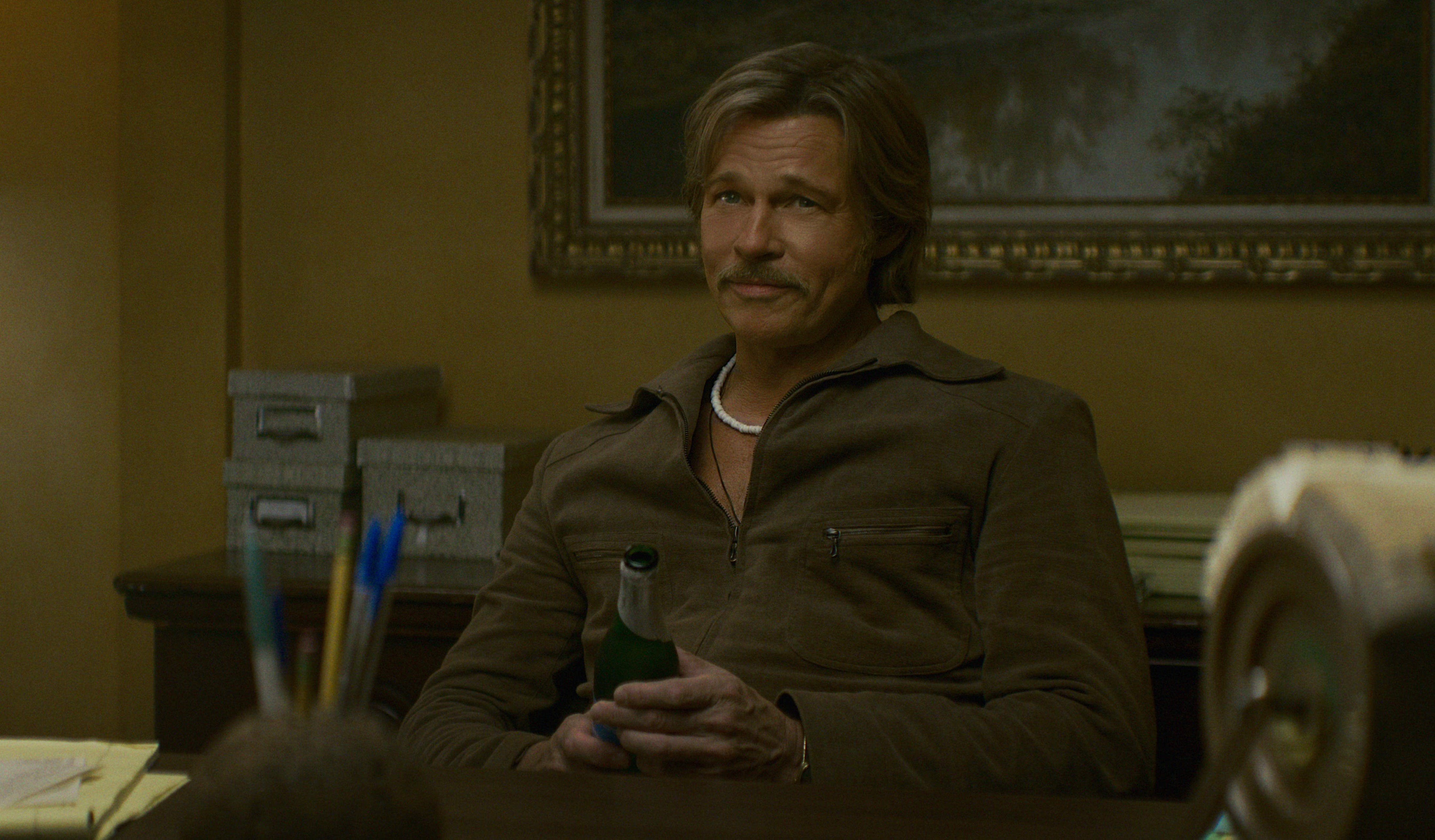
The rhythms of Cliff's everyday life, however, never remain undisturbed for long. The film's first truly revealing episode arrives when he is summoned by Karen Crosby (Elizabeth Debicki), the representative of television star Charlie Peters (Scott Caan). Charlie has run afoul of the Verdusco brothers (Matt Groove and JB Tadena), a pair of Filipino gangsters whose connection to a disastrous decision from his past places his wife Toni (Carla Gugino) in danger, setting much of the film's central conflict in motion.
Cliff occupies the space between Hollywood's polished mythology and the messier realities beneath it, serving as a quiet intermediary between the two worlds. Charlie may command the spotlight, but Cliff remains the person people seek out when circumstances slip beyond their control. Pitt moves through these situations with such ease that even the film's more improbable turns feel convincing.
Find out what's happening in Hollywoodfor free with the latest updates from Patch.
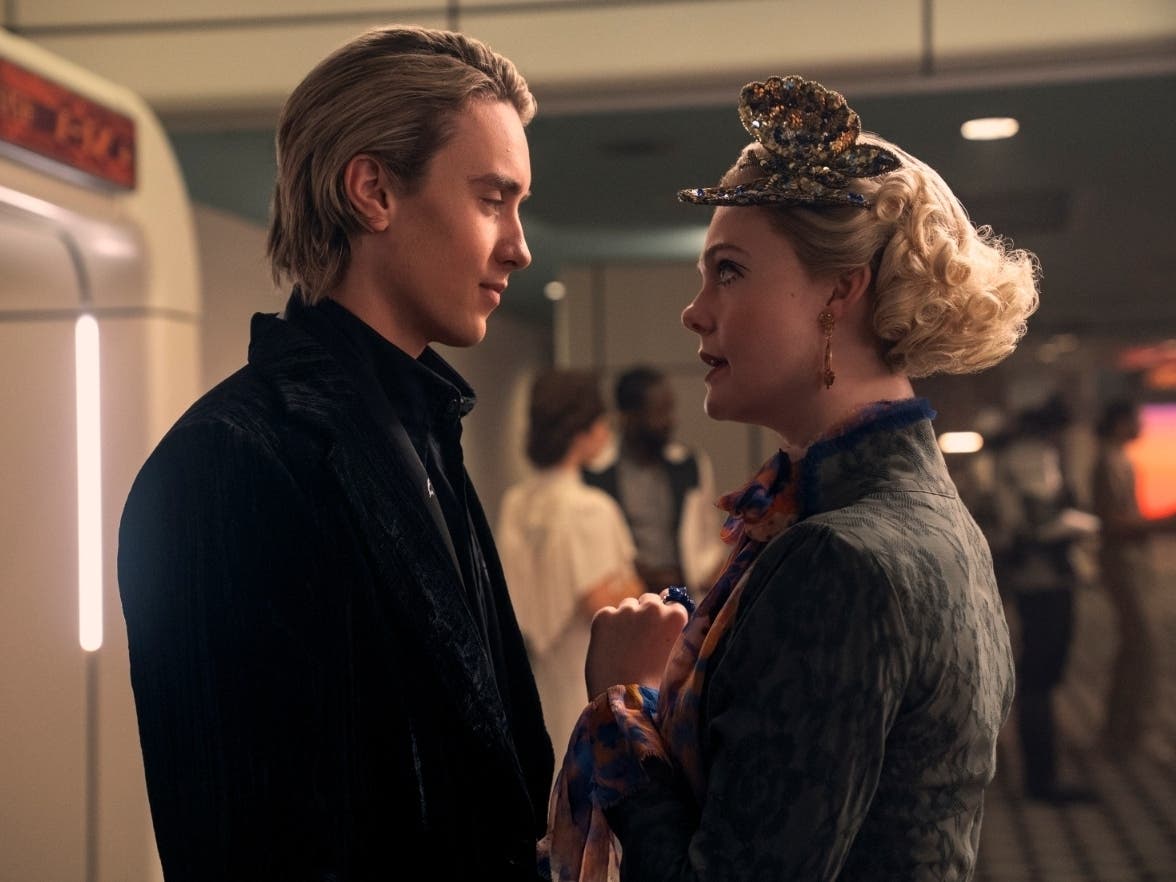
Debicki brings an exquisite elegance and quiet authority that gradually disarm Cliff's defenses. Opposite her, Pitt leans into the full force of his movie-star magnetism, allowing the sandy drawl, easy grin and weathered confidence to carry much of the burden. Yet beneath that familiar swagger lies an unexpected vulnerability. Their scenes together reveal a side of Cliff rarely afforded space in “Once Upon a Time... in Hollywood.” He is not merely charming but attentive, thoughtful and quietly romantic.
The film's episodic structure often sidelines traditional suspense, but that looseness ultimately proves essential to its purpose. Each episode reveals a different aspect of Cliff Booth's life, filling in the gaps around a figure long defined by suggestion and rumor. The pleasure of the film lies less in the mechanics of its central plot than in watching those pieces gradually cohere into a fuller portrait of the man at its center.
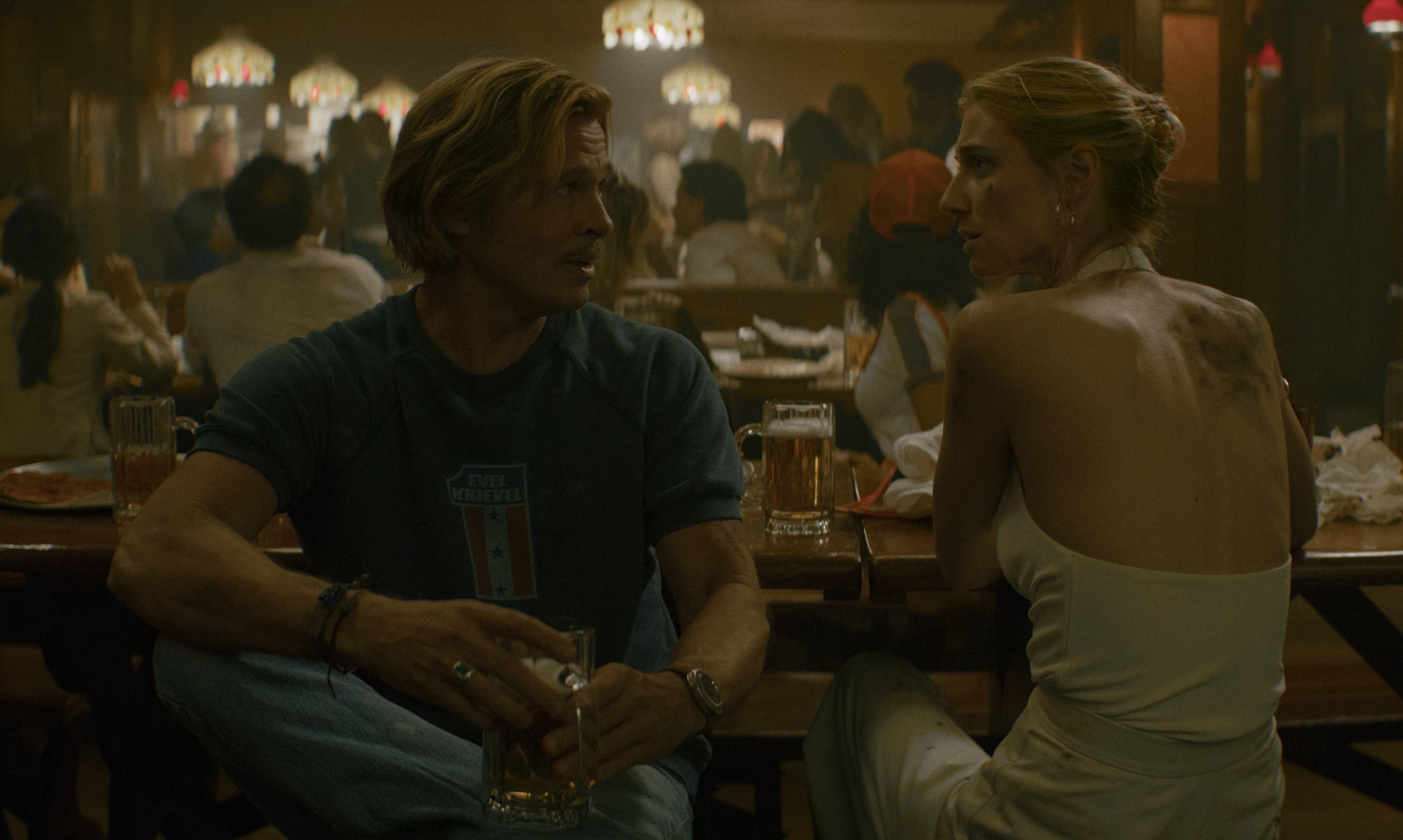
Much of the film's success stems from the tension between Quentin Tarantino's and David Fincher's sensibilities. Tarantino's screenplay embraces a shaggy, freewheeling structure that frequently behaves less like a conventional thriller than a collection of stories, conversations and observations orbiting Cliff Booth.
Fincher, meanwhile, seems most interested in the space between Cliff Booth the legend and Cliff Booth the man, grounding Tarantino's shaggier impulses in something more reflective, deliberate and controlled. Scene by scene, the film unfolds with an easy confidence, balancing Tarantino's gift for digressive banter against eruptions of violence that arrive with characteristic audacity, culminating in a finale that recalls “Once Upon a Time... in Hollywood” at its most gleefully excessive.
The balance is not always perfect. Some detours bring Cliff Booth the man into sharper focus, while others seem content to linger on the pleasures of Cliff Booth the legend. Even so, Pitt's easy charm makes the film's less illuminating diversions easy to embrace.
For years, Cliff Booth existed chiefly as a collection of stories. He was the stuntman who fought Bruce Lee, the man who may or may not have killed his wife, and the loyal companion who helped save Rick Dalton's Hollywood fairy tale. “The Further Mis-Adventures of Cliff Booth” discovers that the man behind those stories is every bit as compelling as the figure who inspired them. The mysteries persist, including those that have followed Cliff since the beginning, but the person at their center comes into sharper focus.
What might have felt like a nostalgic victory lap instead becomes an act of discovery, transforming scattered impressions into something more complete and revealing new dimensions of a character who long seemed to exist just beyond reach.