Arts & Entertainment
Laguna Beach Filmmaker Wins Big At Cannes
Richard Yelland's "Floating: The Nathan Gocke Story" scores a Best Emerging Filmmaker Documentary nod.


It was a foggy winter morning in Los Angeles’ South Bay, where surfer Nathan Gocke paddled out to his home surf break for his usual Saturday morning session, amped to ride the four-foot swells rolling in with the tide.
To the 30-year-old L.A. native—an experienced surfer who had been riding since his early 20s—these kinds of conditions were the promise of a good time.
He never imagined they might be the kind to almost take his life.
Find out what's happening in Laguna Beachfor free with the latest updates from Patch.
Gocke’s future was about to take a turn, after an accident at the break would snap his neck, paralyzing him from the chest down.
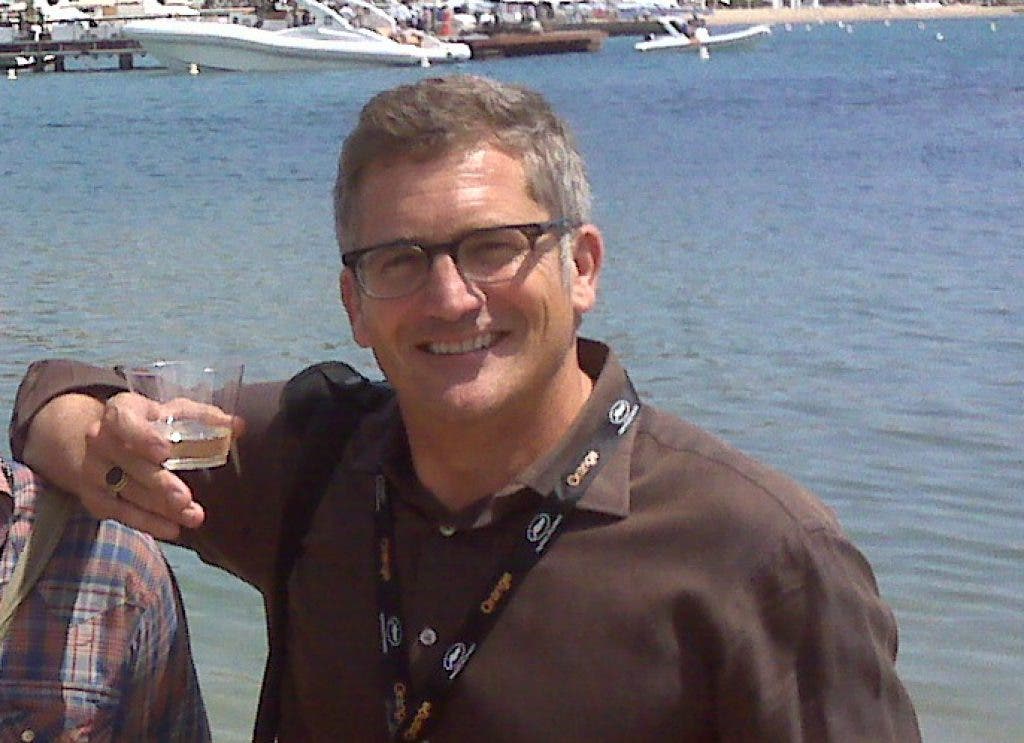
“A wave kicked me the wrong way, took me up over the falls and threw me head-first into the sand,” he explains in Laguna Beach filmmaker Richard Yelland’s documentary Floating: The Nathan Gocke Story, which last week won the Best Emerging Filmmaker Documentary at the Cannes Film Festival in the American Pavilion Emerging Filmmaker Showcase.
Find out what's happening in Laguna Beachfor free with the latest updates from Patch.
The short film, produced by Morgan Spurlock (of Super Size Me fame) and Jeremy Chilnick, touched viewers across the country last year when it aired on Fuel TV, and soon after was landing spots in film festivals across the globe, including the EDINDOCS Documentary Film Fest in Edinburgh, Scotland and the New York City Short Film Festival, where it also earned Best Documentary accolades.
“Cannes was an incredible experience and honor,” says Yelland, who is still amazed by the win. “We were up against Sand, a beautifully executed [piece] about an unknown sand dance passed down from father to son. I said to myself ‘Wow, that’s a great film; no way we’re gonna win.’
“It feels good to make a film that could touch so many people and be respected at one of the best film festivals in the world. Our goal is to spread the message internationally, and it feels great to be able to do that.”
In the story, Gocke relives the moments just after the accident—as he floated consciously in the water, aware of what had just happened to him—and his journey through physical, mental and emotional rehabilitation.
The film follows him for two years, capturing the highs and lows of each, and delivering a message of determination, will power and hope to one day surf again.
“I can [overcome] this, because I can get on a wave,” Gocke says in the film of his daily struggles. “It gives me drive. It gives me purpose in life. It gives me that extra push to continue in all aspects of my life to get stronger and better and succeed so that I can continue to surf.”
With support from his friends and a specially-designed longboard, Gocke is able to ride another wave 676 days after his fall. And has continued to surf ever since.
Familiar with spinal injuries from his early days surfing the reef and the six years he spent as a Laguna Beach lifeguard, Yelland says he was inspired to help people with spinal injuries through documentary filmmaking.
“Many people with these injuries say they dream about flying or floating on clouds, and surfing is how they achieve that dream-like place. Their experiences have taught me to enjoy my ability to be in the water, a pleasure we surfers can take for granted and become greedy about. People like Nathan can teach us to really appreciate the feeling,” he says.
A co-founder of They Will Surf Again, an organization that raises awareness and money for people who have suffered from ocean-related spinal injuries as well as a partner with the Life Rolls On Foundation (founded by fellow surfer Jesse Billauer, who was also left quadriplegic from a surfing accident just over a decade ago), Yelland is deeply committed to spreading a message of hope.
“The moment I met Nathan, just weeks after his accident, I knew right away I wanted to make a film about him,” Yelland recalls. “He was just so uplifting, and being around him made me want to learn more about his courage and how he overcame daily struggles.
“I wanted to share his spirit with everyone, to not only show people what’s possible when you put your mind to something, but to enable others to see ‘disabled’ people as ‘able-bodied’ and for who they really are.”
Yelland and Gocke are now collaborating on a second documentary, in which Gocke will pursue another longtime dream—racecar driving—with the help of a sports car manufacturer and a custom-made sports car.