Kids & Family
How To Talk To Your Kids About Coronavirus
There are tried-and-true ways to have the conversation with your kids, but the point, experts say, is don't avoid having it.


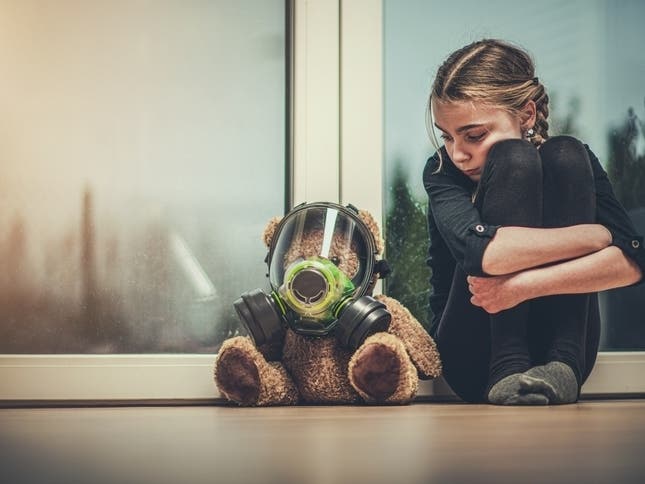
As adults, it’s difficult to understand potential threats posed by the new coronavirus pandemic as cases spread throughout the United States. So, imagine how it is for kids.
As a parent, what do you do when your 4-year-old walks into the room and asks, with a solemn face, “Mommy, when is the sickness coming?”
Don’t panic, and don’t shy away from the conversation, child-development experts advise. Your job as a parent is to tell the truth but to keep in mind the appropriate ways to talk about something as important and ominous as a global pandemic.
Find out what's happening in Laguna Beachfor free with the latest updates from Patch.
Don't miss local and statewide news about coronavirus developments and precautions. Sign up for Patch alerts and daily newsletters.
In fact, it’s paramount that parents or guardians are the ones to have these conversations with their children. And if you think your kids aren’t paying attention to the virus-related news or conversations you’re having with friends or family members, you’re wrong, according to Robin Gurwitch, psychologist and professor at Duke University Medical Center.
Find out what's happening in Laguna Beachfor free with the latest updates from Patch.
“If we as parents don’t lead the conversation, kids will have a lot of misinformation and worries that could be reduced by just having a good conversation,” Gurwitch said.
Let Your Kids Start The Conversation
So, where do parents start? Gurwitch suggested reviewing the National Child Traumatic Stress Network’s guide to helping families cope with coronavirus. Then, preface a chat by sitting kids down free of distractions and allowing them to start the conversation.
“You can start by saying there has been a lot of talk about this thing called the coronavirus, and people are getting sick and sometimes people are dying, but then you should ask kids to tell you what they’ve heard — what they know,” Gurwitch said. “If you let them start, they can tell you where the conversation needs to begin.”
How to start the conversation with your kids also depends on where they are both mentally and emotionally, according to Dr. Mary Margaret Gleason, professor of psychiatry and behavioral health at Tulane University. Age also plays a role.
“Parents know what their kids are able to process,” Gleason said. “Tell the truth, but not necessarily the whole truth. You always want to tell them the truth, but depending on age, there is information out there some children won’t necessarily need access to.”
For younger kids, do this by keeping the information basic and highlighting ongoing efforts to curb the spread of the virus. Parents can tell younger children something as simple as, “There are people getting sick, but there are lots of people taking care of the people who are sick and trying to make sure we all stay safe,” Gleason said.
The second part of the conversation should focus on asking your kids what they think about the virus and how they feel about the information they’ve heard. This helps parents get a sense of their feelings by having kids describe what they already know.
“If you are talking to a teenager and you get more than a head nod, ask them to tell you what their friends are saying,” Gurwitch said. “Some will show vulnerability, while others are more worried that you won’t see them as grown-up.”
Every kid will react differently to scary situations, so once you know how your child feels, it’s important to never belittle your child’s emotions. Validate them, Gurwitch said. Make sure they know it’s OK to feel scared and anxious, and reassure them with steps your family and your community are taking to stay safe. She also advised parents to follow up with kids post-conversation to address new questions and information.
Parents can give younger kids a feeling of control by creating a household plan with them and focusing on preventive measures. Doing this also makes them feel invested in the process as it plays out, Gleason said.
Again, the plan you create varies by age.
With younger kids, parents should focus on what everyone in the house is doing in terms of basic science-based responsibilities — if we are sick, we stay home. Anytime you cough or sneeze, cover it in the bend of your elbow. Wash your hands before you touch food. These are all responsibilities preschool-age children and even toddlers can handle, according to Gleason.
In talking with kids, Gurwitch advised parents to avoid telling them everything is “fine.” Doing so will also prevent kids from talking to you about big events in the future.
“You will destroy a child’s sense of trust if you tell them everything is fine, or that there’s nothing to worry about,” Gurwitch said. “Downplaying it in the hopes you’re not going to talk about it at all won’t work. If they’re home from school, they know about. If they have friends with older siblings, they know about it. While you’re watching TV, they know about it. Families that try to shield children end up having children with more concerns and worries.”
To manage stress and anxiety, Gurwitch suggested talking to kids about ways to practice mindfulness. Each kid will have a different preferred way to cope, but Gurwitch said to focus on things they enjoy that are also calming, such as watching a movie or listening to music.
What Not To Do
Regardless of whether you’ve had the conversation with your children, parents should also take steps to limit the information to which kids are exposed. One way is by monitoring and limiting media exposure for everyone in the house, according to Gleason.
“For younger kids, seeing pictures of people in masks will make them feel like it’s happening more than it is,” Gleason said. “Media exposure is a slippery slope, and we can all fall into it. It is very gripping, but no one needs to watch hours of detailed information about the virus. We need to be aware of how much our child is watching or hearing.”
Gurwitch said parents should avoid letting younger children watch the news at all. With older kids, she encouraged watching with them and then talking about what you watched.
While it’s normal as parents to seek out and keep up with information about something like the new coronavirus, it’s important to change the channel or turn off the television or computer at times. Doing so also provides an opportunity for families to reconnect, Gurwitch said.
And, although it may be tempting to call up a friend or family member to unload the stresses caused by closed schools, empty store shelves and self-quarantines, don’t have those conversations in front of your kids. If a parent sounds worried or anxious, kids will pick up on those emotions, Gleason noted.
More importantly, don’t talk directly to your kids about your fears and worries.
“Parents should talk to other adults about their worries so they don’t spill those worries to their children; have a separate place for your own fears,” Gleason said. “One of the most important things a parent can do is to think about what should be an adult conversation and which ones you should have around a child.”
An example of one such adult conversation has to do with money and finances. With school districts closing across the nation, parents are feeling the extra pressures of having to miss work and find child care or, in some cases, needing to figure out how to afford extra meals for their kids.
The financial implications of the outbreak are real, but it’s still not a subject you should talk about in front of your kids, Gleason said.
Gurwitch agreed, advising parents to “please not melt down in front of your children — they need to see that you are able to cope.”
“You don’t have to put on a happy face,'' Gurwitch said, “but you can still acknowledge your own feelings in a way that reinforces you’re doing what you can to stay safe and healthy.”
Navigating Time At Home
Those happy faces may be hard to come by as the weeks progress and kids and parents are increasingly spending more time quarantined together. A situation such as long-term school closures not only forces parents to be creative, it also throws kids out of critical routines.
Gurwitch said parents should anticipate that their child’s change in routine might cause sleeping difficulties, lack of concentration and focus, an increase in irritability, and a decrease in their ability to retain new information — an especially crucial bit of information for parents whose school districts have moved learning online.
“Teens and kids may have more mood swings, and younger kids may have more temper tantrums, moodiness and clinginess,” Gurwitch said. “In the very young, a regression in behavior might occur if they’re feeling the stress.”
To mitigate potential effects, Gurwitch said a key component is for parents to keep a child’s schedule and routine the same as if they were still in school. It’s also important for parents to take a step back when emotions are running high and patience is thin, and to provide a little extra attention and love to kids as much as possible.
While it may be stressful and trying to have the needed conversations with your kids and to tackle the challenges the coronavirus outbreak poses to American families, Gurwitch said the honesty you offer and the work you put in now will lay a solid foundation for the relationship between you and your child moving forward.
“If you do this now, and you are somebody that says you can talk about the hard stuff, you are setting the groundwork for future conversations with your kids,” Gurwitch said. “You are really setting a stage that can support a healthy relationship through childhood and into adulthood.”
RELATED:
The New Coronavirus: Your Questions Answered
Coronavirus Outbreak: Tips To Prepare At Home
Get more local news delivered straight to your inbox. Sign up for free Patch newsletters and alerts.