Health & Fitness
Waltz—The 'Mother of All Dances'
One of my favorite dances is the waltz. Ballroom dance instructors often tell their students "the waltz is the mother of all dances."
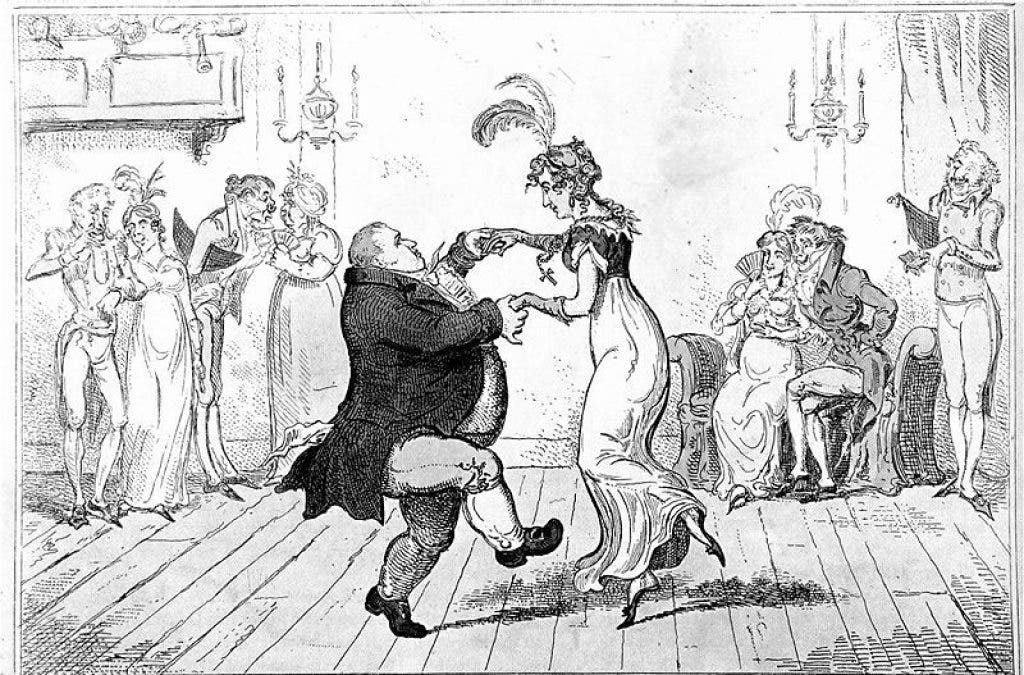
One of my favorite dances is the waltz. Ballroom dance instructors often tell their students “the Waltz is the mother of all dances.” That statement is based in part on its longstanding popularity, dating back to the 16th century.
Regarded as the "mother of all dances" also means this is a dance that once learned, opens doors to other styles and a better "presence" on the floor, whether you're doing a salsa or a foxtrot.
The follower's role is full of poise and grace, and the leader's role is a model of confidence and control. Without a doubt, this is one of the best dances for improving your overall technique. Space is not an issue for your initial practice: All you need is room for a simple box step for most of your basic steps and muscle memory drills.
Find out what's happening in Laguna Niguel-Dana Pointfor free with the latest updates from Patch.
Informing while it inspires, the waltz teaches a dancer how to move slowly across a floor—and sometimes slower movements are the most difficult to control. To perform the waltz correctly, it's necessary to patiently learn a three-part sequence of correct footwork, the basis for all smooth dancing: heel to toe; toe; toe to heel.
This is a dance that generously rewards a patient dancer with a feeling of "floating" when eventually taking longer strides and remaining balanced. Only a few dance styles offer that sensation.
Find out what's happening in Laguna Niguel-Dana Pointfor free with the latest updates from Patch.
Because directional changes are not as abrupt as in other styles—like tango or the much faster Viennese waltz—the waltz provides more time to carefully check for proper posture and a strong frame.
Waltz even helps with the rhythm/Latin dances. It is a great way to practice pulling in your center and becoming more aware of your core, which helps with your hip action and weight transfer from foot to foot.
While all dances have characteristics that make them special, the waltz remains unique as a true classic. Transcending trends and short-lived styles, it beckons all dancers. Even those new to a ballroom sense they will enjoy the waltz for as long as they continue to dance, regardless of age.
There are many reasons why it is traditionally played as the "last dance" of the night.
No wonder it has been around for more than five centuries!