Schools
Capo Trustees Drop Appeal of Brown Act Violation Ruling
In November 2010, an Orange County Superior Court judge sided with the teachers union in its allegations that the school board violated the state's open-meeting laws.

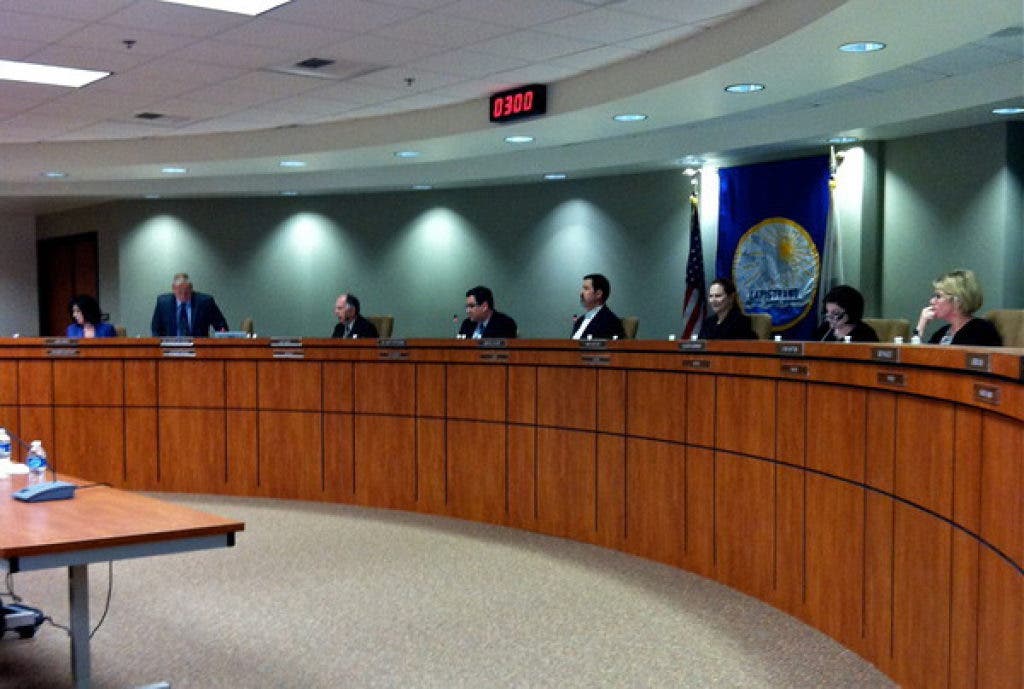
The Capistrano Unified School District board of trustees voted unanimously Monday evening to drop its appeal of a 2010 court decision that it had violated the state's open-meeting laws two years earlier.
In issuing his judgment Nov. 24, 2010, Orange County Superior Court Judge David T. McEachen granted requests filed by the teachers union that the school board properly notify the public when it intends to suspend or dismiss a public employee and that it stop allowing non-district employees in its closed session unless the name of that person is listed the meeting's agenda.
Capistrano Unified filed its appeal of that decision March 14. But after meeting in closed session Monday, the board announced that it had voted 7-0 to drop the appeal and authorize its insurance company to pay $20,525.55 to the Capistrano Unified Education Association—the cost of its attorney and legal fees.
Find out what's happening in Laguna Niguel-Dana Pointfor free with the latest updates from Patch.
"I just think if you keep litigating something to death, it doesn't do anybody any good," said trustee Gary Pritchard.
At an August 2008 meeting, trustees met in closed session to place then-Superintendent Woodrow Carter on administrative leave but did not properly notify the public of its impending vote. Under the Ralph M. Brown Act, when such action is proposed, public agencies are bound to place an item on the meeting's agenda that states: "Public Employee Discipline/dismissal/release."
Find out what's happening in Laguna Niguel-Dana Pointfor free with the latest updates from Patch.
Capistrano Unified had stated only that it would conduct a "performance evaluation."
McEachen also ordered the board to comply with the union's request for documents related to legal services provided by an attorney, Spencer Covert, who was present in the closed session.
Covert attended the meeting "purportedly to determine whether he should be retained—despite the concurrent attendance of the district's counsel, Anthony DeMarco," McEachen wrote. "The district had asserted both that Covert's communications are protected by attorney-client privilege and that he attended the closed session meeting for the benign purpose of the proposed retention. Under these scenarios, Covert's attendance either should have been on the agenda, or constituted the improper inclusion of a member of the public in the session."
- Penny Arévalo contributed to this report.
Get more local news delivered straight to your inbox. Sign up for free Patch newsletters and alerts.