Community Corner
Catch a Shooting Star: Chance Tonight to See Perseid Meteor Shower in Dana Point
You'll have to stay up super late, or get up really early in Dana Point to see Perseid Meteor Shower tonight, Aug. 12, is the last chance


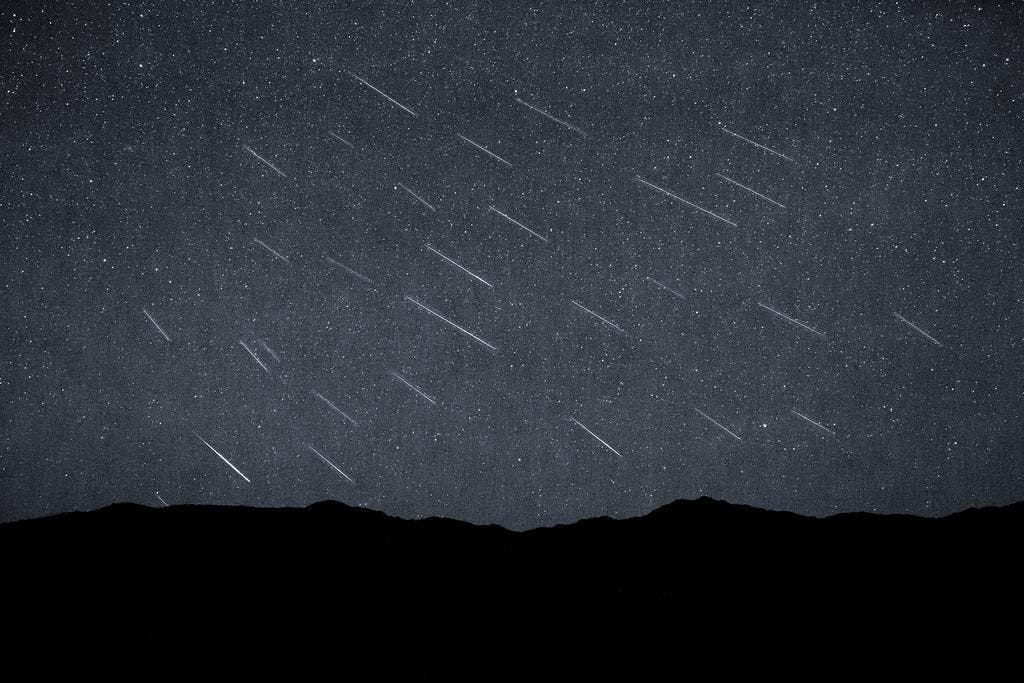
DANA POINT, CA—Do you want to see meteors streak across the sky in South Orange County? Chances are, tonight you will still see a few in Dana Point, Laguna Niguel and surrounding areas. Though last night was the peak, of all the shooting star shows that occur in the heavens, the Perseid meteor shower is the undisputed star. But this year, the Perseids are poised to offer a double feature due to what NASA calls an “outburst effect”
“Under perfect conditions, rates could soar to 200 meteors an hour,” Bill Cook, who leads NASA’s Meteoroid Environments Office in Huntsville, Alabama, said in a statement.
Every Perseid meteor is actually a tiny piece of debris from the comet Swift-Tuttle which disintegrate in flashes of light when they hit the Earth’s atmosphere. They’re called Perseids because they seem to originate from the constellation Perseus.
Find out what's happening in Laguna Niguel-Dana Pointfor free with the latest updates from Patch.
Usually, the Earth just grazes the edge of the Swift-Tuttle debris stream, but this year, Jupiter’s gravity will tug the debris stream closer and Earth will more or less plow through the middle of them.
Here's a picture from Borrego Springs astronomer Dennis Mammana, who captured a "shooting star" meteor last night:
Find out what's happening in Laguna Niguel-Dana Pointfor free with the latest updates from Patch.
A Perseid outburst last occurred in 2009.
Why Shower May Not Be All That
Before you pack up for an overnighter in some dark sky area, Forbes steps in to cheer you right down with a meteor-buzzkilling story about how the 2016 Perseid Meteor Shower is “awfully overhyped.”
“When everything aligns perfectly, a meteor shower can reach its maximum potential. However, not everything is perfectly aligned for this year’s Perseids,” wrote Ethan Siegel, a contributing writer for Forbes on astrophysics, space and the science of the universe.
“Despite being one of the most consistent meteor showers year in and year out, with anyone going out during the peak time for about 5-10 minutes all but guaranteed to see at least one meteor, it’s a far cry from the "spectacular show" being touted by many news outlets and science reporters,” he wrote
Siegel said the show should be better than average, but expects the increase in meteors to be “modest.” Moreover, that’s a good thing, because the number of meteors per hour depends on the Earth’s proximity to the Swift-Tuttle debris stream.
“It’s a good thing that most comets and asteroids themselves don’t cross Earth’s orbit; it would be a disaster for so many objects to collide inevitably with us!” he wrote.
What makes the Perseids such an anticipated meteor shower is the speed they move relative to Earth and how that affects the brightness of the shooting stars. They come from a comet that takes 133 years to orbit the Earth and move with nearly three times the energy of slow-moving debris streams like December’s Geminids, so the Perseids are brighter and more easily seen. This year is no different than any other year in that respect, Siegel wrote.
And then there’s the attention-grabbing moon.
A waxing moon — that is, one that is greater than half full — will provide light pollution until it sets after midnight. So, you’ll have to stay up ridiculously late — or get up ridiculously early — to see them.
Let us know if you capture a "shooting star" Perseid Meteor on camera!
Flicker Photo by Perseid Meteor Shower by Trevor Bexon
Get more local news delivered straight to your inbox. Sign up for free Patch newsletters and alerts.