Schools
Helping Kids and Parents Cope with School Transitions
As we approach the end of the school year, some parents are beginning to think about the transition process for their child from either preschool to elementary school, elementary to middle school or middle to high school.
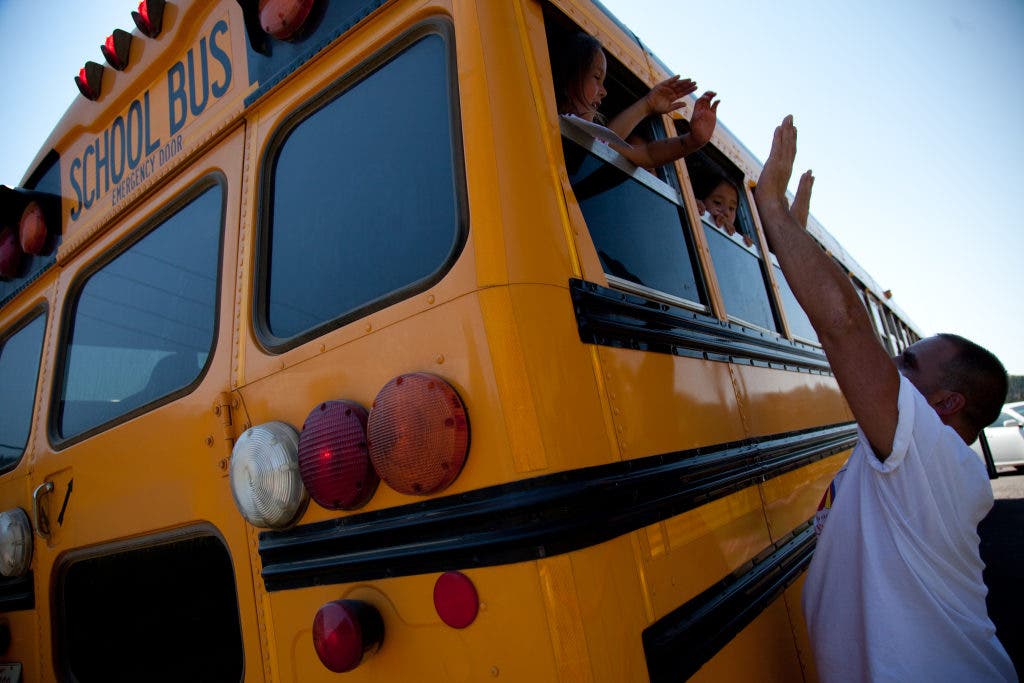
Transition can cause anxiety, but teachers and schools can help parents with the change by recognizing that fears and concerns are expected and realistic. And they can provide opportunities and information such as having a parent visitation night.
For students with special needs, transition services are usually a part of the Individualized Education Program process and include support at all levels, especially for adolescents moving from high school to postsecondary education, adult life and the world of work.
The emphasis should be on informing parents about what to expect at the next level and on how parents and teachers can work collaboratively to meet the needs of the child.
Find out what's happening in Laguna Niguel-Dana Pointfor free with the latest updates from Patch.
Certain factors should be taken into consideration by both parties. For the teacher, it is important to be aware that the anticipation of a new environment is frightening for some parents, especially if the student is the first in a family to enter, say, middle or high school.
These feelings are valid, and sometimes simply listening and answering questions will help ease a parent’s fears or concerns. For the parent, keeping an open mind and forming a relationship with a contact person, such as the counselor or academic adviser, is helpful and often critical. Avoid assumptions, and try to focus on what is best for your child.
Find out what's happening in Laguna Niguel-Dana Pointfor free with the latest updates from Patch.
Educational transitions often parallel to life cycle transitions, which naturally bring on new challenges for parents. For example, at birth and early childhood, parents are discovering their child’s interests, personality and developmental progress.
The next transition, into childhood, brings to focus academic abilities, learning styles and the adjustment from self-contained classrooms to changing classes and adjusting to the instructional styles of the teachers.
The third cycle is adolescence, where the student is developing a self-identity, a positive body image, emotional independence from parents and sexual maturation.
Finally, as the student transitions into adulthood, parents are faced with challenges of membership in the community, independence and post-school options.
Successful transitions include a mutual regard for all parties involved. When teachers approach this time with sensitivity and empathy, parents are more likely to relax and trust that the transition will be a positive change.
No transition goes without challenges, but when parents and teachers communicate positively and with a mutual respect, challenges are more likely to be resolved quickly and with minimal negative impact on the student. If your child is getting ready to make an educational transition soon, start looking into making a connection with a counselor or principal.
Call the forwarding school to see what information it can offer to help you prepare and make your transition a positive experience for you and your child.