Schools
School Quake Safety Questioned
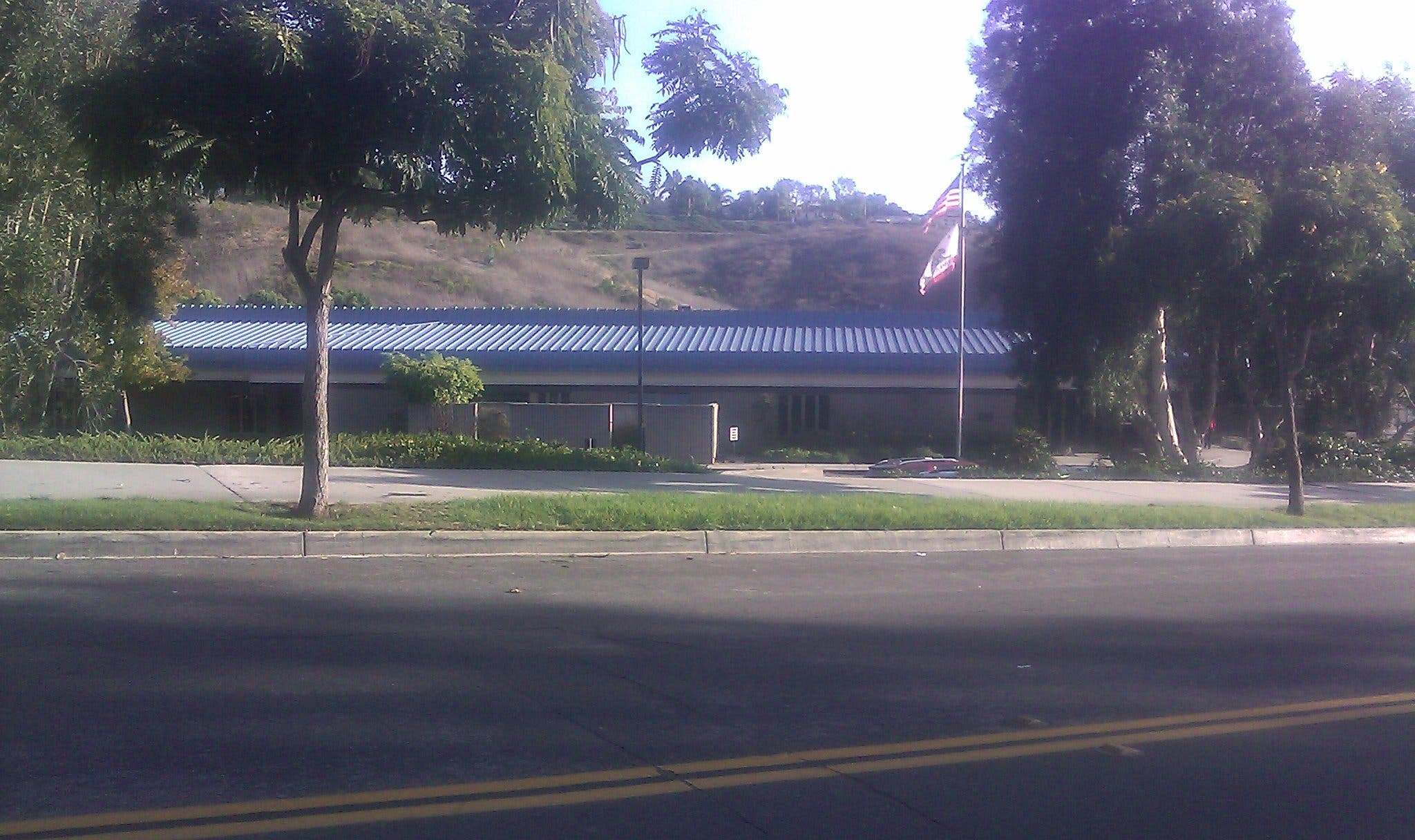
California Watch investigative reporting squad and Patch collaborate to review building safety standards at public schools. Crown Valley Elementary is on the list of schools that could be at risk.


How safe is your school in an earthquake? Patch.com has partnered with California Watch, the state’s largest investigative reporting team, to find out.
A 19-month California Watch investigation, which was released Thursday, uncovered holes in the state's enforcement of seismic safety regulations for public schools.
California began regulating school architecture for quake safety in 1933 with the Field Act, but data taken from the Division of the State Architect’s office shows 20,000 school projects statewide never got final safety certifications. In the crunch to get schools built within the last few decades, state architects have been lax on enforcement, California Watch reported.
A separate inventory completed nine years ago found 7,500 seismically risky school buildings in the state. Those on the list were deemed as not expected to withstand future earthquakes and urgently needing further structural evaluation to gauge needed repairs. Yet California Watch says only two schools have been able to access a $200-million fund for upgrades.
Crown Valley Elementary's problems included a lack of continuous cross ties and unblocked diaphragms in the kindergarten building 1, the multipurpose building 2, and classroom buildings 4, 5 and 6; lack of adequate wall anchorage in classroom buildings 3, 4, 5 and 6 and multipurpose building 2; and wall anchors that lack adequate stiffness in classroom buildings 4, 5 and 6 and multipurpose building 2.
Find out what's happening in Laguna Niguel-Dana Pointfor free with the latest updates from Patch.
Crown Valley Elementary also has several uncertified construction projects.
California Watch has created an interactive map that charts school locations in relation to earthquake faults, landslide areas and liquefaction zones. Laguna Niguel has eight schools within one-fourth of a mile of seismic risk zones—all of them are landslide zones. These schools are , , , , , Hidden Hills Elementary, , and Crown Valley Elementary.
Find out what's happening in Laguna Niguel-Dana Pointfor free with the latest updates from Patch.
Santa Ana seismic expert Chris Marinescu said some of the schools' issues likely reflect either a failure by architects to understand seismic safety codes, or a failure by contractors to build according to specifications.
“It looks to me that this is a design issue,” he said in an interview Wednesday.
Because of spring break and administrator vacations, school district spokesman Marcus Walton said Patch could not interview building supervisors before this story published.
Without access to CUSD building supervisors, it was unclear whether the district had taken steps to remedy the hazards described in its 2007 report. Records from the August 2007 school board meeting at which the report was received weren't available online, and the district office is closed for spring break.
However, Patch did review documents on earthquake safety issues at , , and —the four CUSD schools identified by California Watch as “likely not to perform well in an earthquake.”
The consultant who performed CUSD's 2007 inspection appears to be out of business, but Marinescu, the vice president of AllWest Environmental, specializes in similar seismic analysis and offered his take on the documents’ content.
ROOF-WALL ANCHORS
In the 2007 report, walls inadequately anchored to roofs were found throughout the four campuses reviewed by Patch.
Marinescu said the flaws could cause roof collapses during an earthquake or, at best, force the building to close afterward for lengthy and expensive repairs.
“This anchoring is a major issue,” he said, specifically talking about another CUSD school building that has this problem—the San Clemente High School gymnasium. “You cannot afford in a building like this to have inadequate anchoring of the walls to the roof frame.”
Crown Valley Elementary had roof-anchor problems in four classroom buildings and one multipurpose building.
CROSS TIES AND BLOCKING
Another serious seismic issue involves cross ties, the support beams that hold up a roof. Marinescu said the beams must be fortified at the joints with special hardware.
Another trouble area is “unblocked” roofs. Typically, roofs are built with 4-by-8-foot sheets of plywood. On large roofs that carry a lot of load, these plywood sheets should be blocked, or nailed into a chuck of the frame on all four sides, Marinescu said.
However, at Crown Valley Elementary, the same kindergarten and multipurpose buildings with cross tie problems were also unblocked, according to the 2007 report.
OTHER ISSUES
Other, more minor, problems included “inadequate stiffness” in the connections between walls and roofs or other construction elements, which could cause dangerous movement during a quake.
If you would like to get involved in this story and find out whom to contact with your questions, you can send them here. This page includes tips on preparedness, a list of frequently asked questions and a parents' preparedness checklist.
This story was produced using data provided to Patch by California Watch, the state's largest investigative reporting team and part of the Center for Investigative Reporting. Read more about Patch's partnership with California Watch.