Schools
University Predicts Rosy Economic Future for Inland Empire
The construction and retail trade sectors are picking up steam.

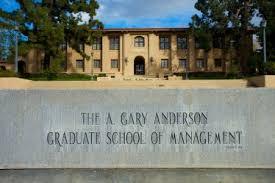
Despite a slowdown in economic growth abroad, the inland, state and national economies should bear up well over the next two years, according to report released Thursday.
For the fifth consecutive year, Los Angeles-based Beacon Economics partnered with the UC Riverside School of Business to host the Riverside-San Bernardino Economic Conference, examining factors that will influence job prospects, industrial growth and the real estate market in the near future.
The conference was held at the Riverside Convention Center, where around 400 people gathered to hear presentations by Beacon founding partner Chris Thornberg and UCR School of Business Dean Yunzeng Wang.
Find out what's happening in Lake Elsinore-Wildomarfor free with the latest updates from Patch.
“Nearly every part of the U.S. economy is showing signs of slow but steady improvement,” Thornberg said. “The only thing acting as a drain is the export sector, due to the global slowdown, but there is actually enough momentum in the U.S. economy to push us past these broader international troubles.”
Thornberg has been bullish on the Inland Empire economy for several years, predicting slow but steady growth. He noted today that the logistics sector was poised to expand further, with more warehouses and distribution centers in development, fueling job market expansion regionally.
Find out what's happening in Lake Elsinore-Wildomarfor free with the latest updates from Patch.
The construction and retail trade sectors are not expected to power job creation on the scale they did prior to the Great Recession, according to the forecast, but both are picking up steam.
In an economic forecast presented to the Riverside County Board of Supervisors in May, Thornberg predicted the county’s property tax roll would rise between 5 and 7.5 percent annually over the next five years, providing local governments with fatter incomes.
According to the forecast, annual employment growth statewide should average 2.5 percent through 2016, with home sales hitting double-digit percentages over the same period. Home prices, however, will “cool” to a modest 4 to 6 percent annual growth range over the next two years, the economists said.
Wang worried about California’s ability to remain competitive as it loses ground to other states with better educated workforces.
“This state is home to some of the greatest innovators and strongest companies in the world,” he said. “But from the data, we can see we won’t have the workforce we need to maintain our leading position in the future. As educators, we can’t diminish or veer from the critical role we play in teaching and building leaders who have the skill sets and training needed to become successful -- for themselves and for their communities.”
The forecast acknowledged worrying signs on the horizon, including the potential for growing inflationary pressure and worsening trade imbalances. But over the next two years, these obstacles are not expected to pose a big problem.
There was no mention of external shocks, such as acts of terror or major health scares, potentially clobbering the national economy.
--City News Service
--Photo Credit: UC Riverside
Get more local news delivered straight to your inbox. Sign up for free Patch newsletters and alerts.