Neighbor News
Horses In The Age Of Smart Phones
Horses can play an important role in balancing the effects of too much screen time.


It is every parent’s dream that their child grow up to become a successful adult. We have all seen countless TED Talks extolling the core attributes of accomplished individuals: follow your passion, delay gratification, be introspective, and learn commitment. The challenge is instilling them into our children. Unfortunately, these values contradict the ding-ding, buzz-buzz of the modern electronic world of today.
Let me begin by saying I am not a Luddite. I have a Facebook account, prefer texting over calling, and only read online news. That being said, we all have seen the Pavlovian response to the ting of a new text message. Likewise, we have all observed groups of teens sitting together, but instead of conversing with each other, they are on their phones, “connecting” with other teens elsewhere doing the same exact thing. Maybe you are that parent having to raise your voice again at the dinner table to break through the monopolized attention of the video game.
Let us be honest, real life can be a real bore when compared to the frenzied world of electronic stimulation. Do we then throw in the towel? Or do we look for activities that engage our children, allowing them to experience the world in real time, and foster the skills that allow them to become better adults. Is there an activity that naturally engages the youth without a game controller? Amazingly, children and young adults are still captivated by the splendor of horses.
Find out what's happening in Lake Forestfor free with the latest updates from Patch.
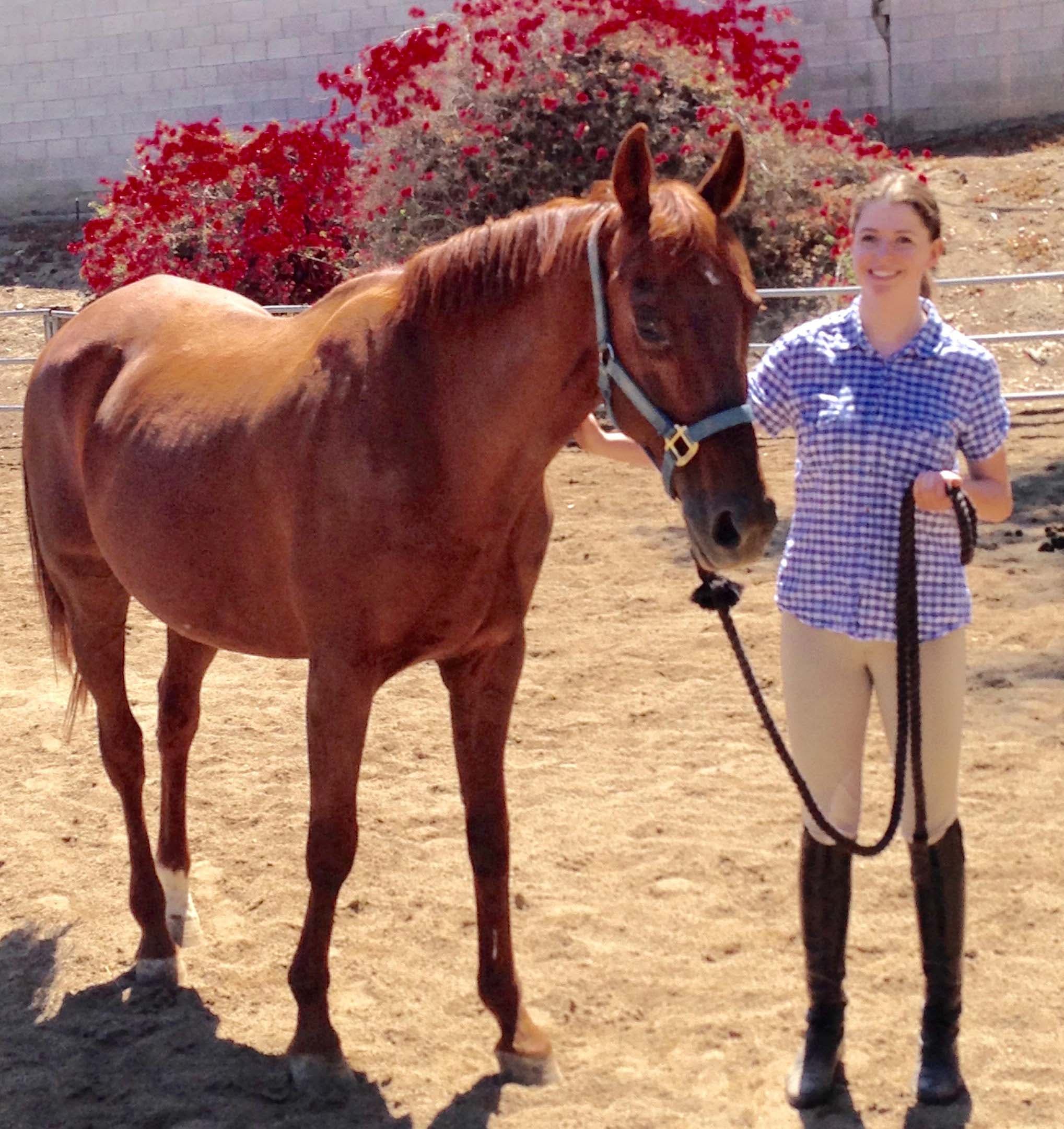
On the surface, it seems that horses at best, are simply characters out of your mother’s childhood books. Yet, over and over again I have witnessed the amazing power of horses to draw in the youth. And unbeknownst to them, their involvement provides them with the lessons that will make them successful adults. Horses are perfectly suited to teach the valuable lessons of adulthood: pursue your passion, delay gratification, learn introspection, and practice commitment.
In the new world of technologized childhood (see a great Ted Talk by Dimtri Christakis) the decrease in attentiveness is a result of the increased use of electronic devices. The child’s brain adapts to that speed, so when they are forced to work in the slower pace of life, they often struggle to pay attention. Because of the magic quality of horses, learning to ride quietly focuses the mind, counteracting the fragmented attention of the modern world. Unlike the programmed responses of a video game, being around a living animal requires a sustained focus. Horses teach children that life is not based on a code written years ago, continents away. I know that this may seem crazy, but I have witnessed first-hand the marvelous effect of horses on children suffering from these issues. When a child is on the back of a horse, the true attention that is required teaches children within themselves to focus.
Find out what's happening in Lake Forestfor free with the latest updates from Patch.
Horses are naturally herd animals. The horse will mirror the emotional temperament of the rider. For example, a horse will be drawn to an emotionally hurt individual and comfort them. An aggressive individual will repel a horse. Nervous riders create nervous horses, and confident rider create confident horses. An experienced instructor will point out that the rider is the cause of an uncooperative horse, and that cooperation comes from changing his / her attitude. This is a big step for a child struggling with relationships; the idea that they are responsible for what is happening with that horse at that specific moment. Horses are simple thinkers, therefore simple communicators. For the struggling youth, interacting with horses is the first step in learning cause and effect which can then be applied to dealing with other relationships. Video games, unlike horses, do not reflect emotions. There is no connection between the players’ emotions and what the device reflects. The device’s “responses” are what the game developer programed, not real world reactions.
While the language of horseback riding seems passive as in sitting and riding, it is anything but. There is a very subtle, but present communication between the horse and rider. Each needs the other to be attentive and communicate clearly in verbal and non-verbal ways. The rider sends constant messages to the horse using his or her legs, hands, and body to direct the horse. For the non-competitive child, working with horses is a great alternative to learning partnership without there being winners and losers. A horse brings out a sense of strength for those with low self-esteem. All of a sudden, these individuals feel empowered working with such a powerful animal. This special bond can only be experienced first-hand.
Over the years, we see innumerable adolescents flourish when given the opportunity to ride. The teen that would sleep in to noon, now surprisingly wakes up at dawn to head to the stables and prepare for the morning’s lesson and one-on-one time with the horse. The teen feels a responsibility to that horse that has developed through being a committed rider, working towards a goal, and falling in love with being a horseman. This bond provides several important skills that will foster a successful adulthood:
· Delaying gratification, with the belief that they need to work for what they want.
· Goals are not instantaneously achieved, but require work and that is okay.
· Learning introspection and acknowledging that mistakes allow room for improvement and learning.
What I have found time and time again is that horses allow children and teens to feel capable by giving them a sense of power, accomplishment, and ultimately, the feeling that they are in control of their lives. Having reached this level, they are more likely to take on difficult tasks, fulfill their obligations, and become responsible adults. I myself am one of these children.
Lara Myszynski is the Director of the Serrano Creek Riding Academy, located in Lake Forest, California.