Arts & Entertainment
A Gardener's Summer To-Do List - Plants Party In Lamorinda Sun
Morning fog, high winds, blistering heat - and measurable rainfall. All in a day's work for the Lamorinda gardener who plans ahead.

Spring was the season of planting and emergence. Frail seedlings grew safely in cool air and warming soil. Summer is the season of intense growth and flowering. Maturing plants need protection from drought and blistering heat. Fall will be the season of fruiting and senescence. In winter, compost is all.
What should mad dogs and Lamorindamen be doing in the sunny garden right now?
Mulching. Possibly the best thing you can do for your garden is to keep the soil covered either with growing plants or with a thick mulch. Barren soil exposed to the elements is what you see when you travel through the deserts of the Southwest. Unless you're growing saguaros and agaves, it's wise to put down a thick carpet of wood chips or compost around your perennials. The chips will slowly break down and add organic matter to your soil. The mulch will keep moisture from escaping the soil and will moderate the temperature. Be sure to leave some space between the mulch and the base of the plant to avoid crown rot problems.
Find out what's happening in Lamorindafor free with the latest updates from Patch.
When you mulch under deciduous trees, be advised that you're going to have to accept either a lot of leaves covering the mulch or a lot of tedious hand collection. Why not let leaves become the mulch? Unless they're diseased, leaves do an adequate job of protecting and enriching the soil. And keeping your leaves on site means fewer hours spent in the company of howling leaf-blowers.
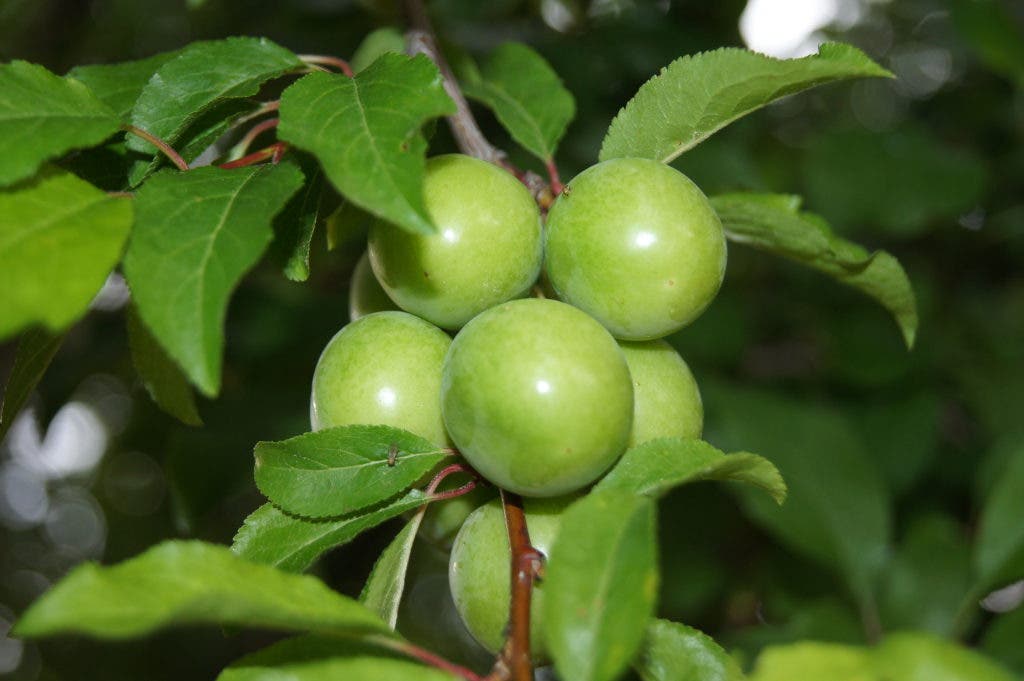
Fruit thinning. I've worked with gardeners who shied away from fruit thinning believing that the more fruit the better. In fact, more fruit can mean smaller fruit, pest problems, and broken branches. I've found it's always a good idea to thin fruit, especially with apples and pears which tend to fruit in clusters and fall victim to codling moths which lay eggs where two fruit touch. Just remove enough fruit either by hand or with shears so that the remaining fruit hangs an inch or two apart depending on how large the fruit will get. Plums, for instance, can be closer than apples.
Find out what's happening in Lamorindafor free with the latest updates from Patch.
Summer pruning. You can help limit the size of your backyard orchard trees by cutting out wayward branches during the summer. Allowing light into the center of your trees will also keep the fruit lower and more accessible.
Planting annuals. It's not too late to plant zinnias, sunflowers, marigolds, and petunias in the sun and begonias, impatiens, and coleus in the shade. If you do put plants out in the sun, it's a very good idea to shade them with shade cloth or something like a wood shingle until they're established. And, if you're planting several plants, water each of them in as soon as you put it into the ground.
Fertilizing. I like to fertilize perennials in March, June, and September. Pull back the mulch and scratch some organic fertilizer into the top couple of inches of soil. Replace the mulch and carry on.
Planting vegetables. You can still start zucchini, bush beans, cucumbers, and early corn now for a September harvest. Sow seeds of broccoli, kale, and cauliflower for late August transplanting.
Checking irrigation systems. Keep an eye open for drying areas or wilting plants and make sure your irrigation system is working properly. Most plants don't wilt naturally in the heat of the day. If they're drooping, they're probably water-stressed. Give them a drink ASAP. If you want to avoid wasting irrigation water, go to the CIMIS (California Irrigation Management Information System) website , register, and then look at the evapotranspiration (Eto) data for the station closest to you. (There happens to be one in Moraga.) Eto is the amount of water lost through both evaporation and plant transpiration. Once you've found the Eto, you'll know about how much water you need to replace on your lawn or in your garden. Use empty cans to figure out how much water your sprinklers are putting out and you'll know how long to run them to match your ETo.
And don't be afraid to spray over-heated plants with water to cool them off. The idea that water droplets burn leaves is just another myth.