Health & Fitness
Garden Dreamin' on Such a Winter's Day
Walk through my mental garden with me as I plan what to plant next spring with fifth graders.
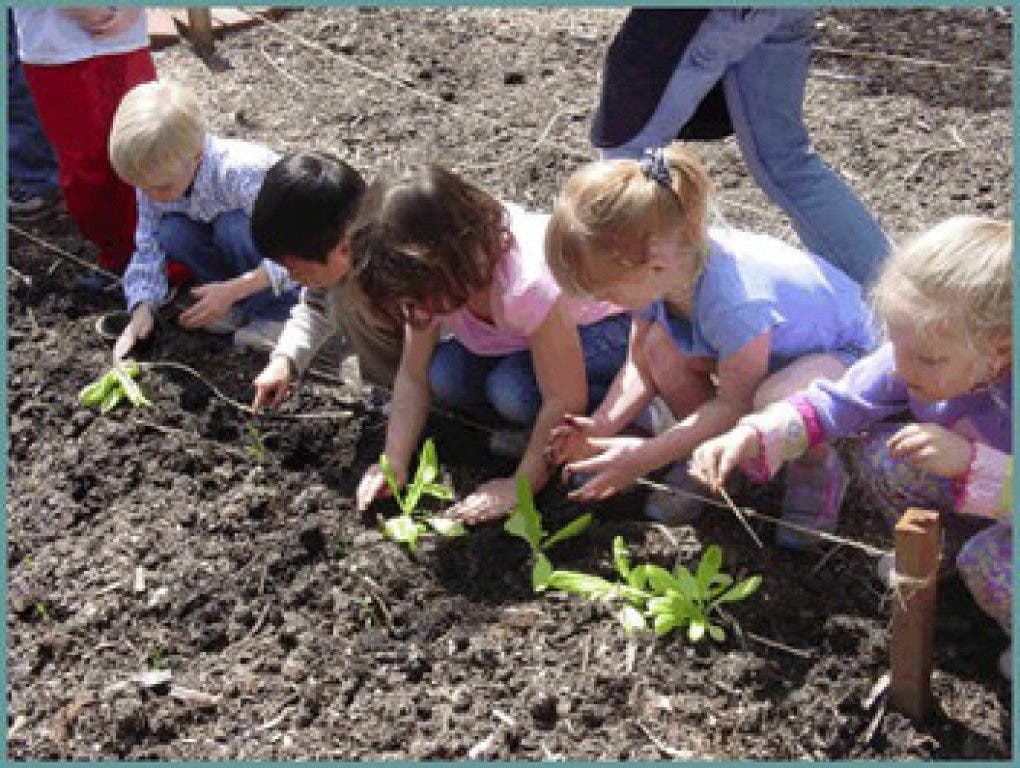
This is one my favorite times of year as a gardener. While the garden is mostly slumbering, now is the time for dreams and plans. The seed catalogs arrive and the glorious pictures of delicious foods, beautiful flowers, and impressive tools fuel my mental garden...the one that the gophers haven’t gotten to yet, the one without slugs or snails, the one that is bursting with bounty.
Yesterday I walked the fifth graders at Burton Valley through my mental garden and explained how we can put it on paper, step by step. They were as excited as I was to visualize the possibilities.
My first question to them was, “What do you want to eat from our garden?” I ask them to think back through their years since Kindergarten and all the things we’ve enjoyed together: fresh salsa and homegrown chips, pizza, soup, salad, garden fries and kale chips all spring to mind as favorites.
I ask them to recall the ingredients for salsa and we list them out: tomatoes (don’t forget the Green Zebras! someone shouts), onions, garlic, cilantro and peppers. We list those out and think about the different types of tomatoes we liked the best, and which peppers grew the best. I’m always impressed at how clear their memories are of our successes and failures.
On a piece of paper I have them draw out our trapezoidal vegetable bed and mark which direction is north. I remind them that the sun will be shining toward the north, from the south, and remind them of our tradition to have the kindergarteners plant sunflowers in each bed. They remember we needed to plant them on the north side, and now they understand that is because if we planted them on the south side none of the plants behind them would get any sun. They also recall that the biggest sunflower we’ve measured in our garden was 17 feet tall!
Scanning our list of ingredients I ask them to think about what plant would be the next tallest on the list. Tomatoes grow to 7 feet tall. They’ll be the next in line. We taper the entire list by height, ending with the shortest plants on the south end of the bed.
Like teachers making seating charts, gardeners need to check “Companion Planting” charts or books, like “Carrots Love Tomatoes” for information about which plants will thrive together and which may kill each other in the ground. A classic example of companions is the trio of plants grown by Native Americans from Oklahoma to Guatemala, corn, squash and beans. The corn supports the beans which fix nitrogen to feed the corn while the squash shades out all competing weeds. A dramatic example of natural enemies are peas and onions, which while delicious together on a plate, will murder each other in the ground. The pea will reach out its tendrils and strangle any nearby onion. The onion in retaliation and defense will ooze onion juice on the pea which burns the pea to the ground.
We look through the chart to find plants that will help our tomatoes thrive. The best three are carrots, nasturtium and marigold. We tuck those around every tomato.
Double checking the master plan from the previous year we can determine where our salsa bed should sit this year. Crop rotation helps foil the bugs’ attack. Moving the plants around is a mild trick to play, and helps soils recover as well.
When we’ve got this all figured out on paper, I show them how it all comes together as a master plan for the spring when the greenhouse will be chock full of seedlings with students anxious to know where to put them. But then I remind them that, alas, they’ll be off at Stanley when the harvest begins. Fortunately, they now know exactly how to grow a bowl of salsa and can do it at home, starting with their dreams of the perfect garden.
Tips:
Best seed catalogs/sites: