Health & Fitness
Road Trip To Your Brain's Las Vegas Lobe!
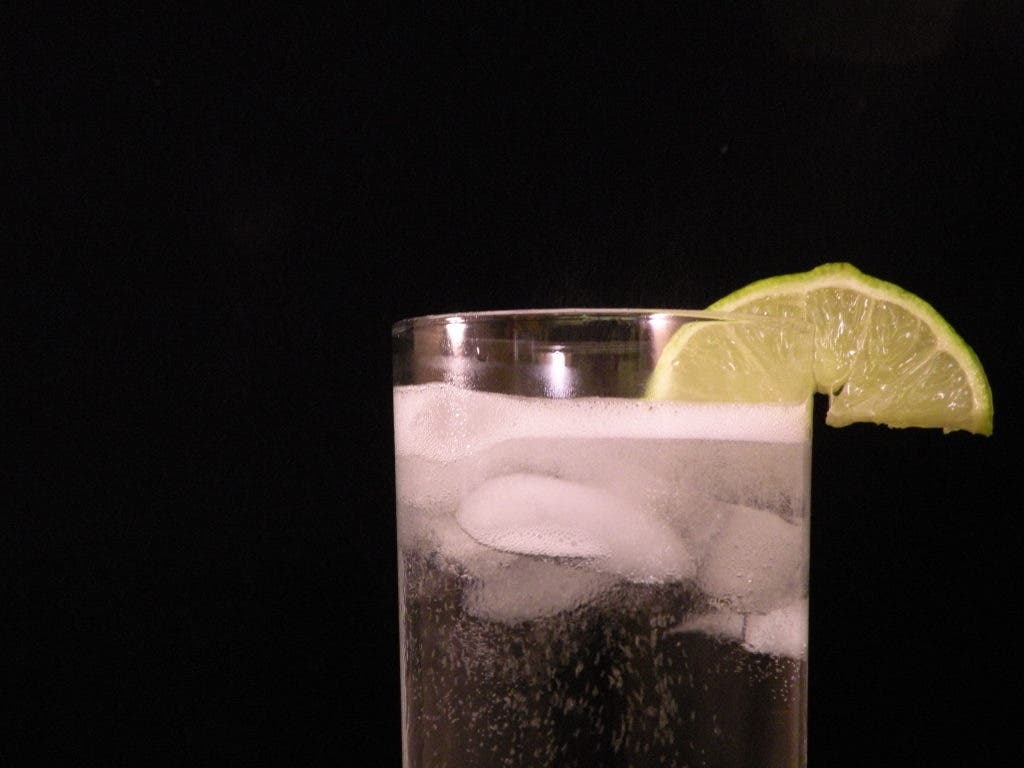
The Gin and Tonic is a classic, but I prefer my bitter, quasi-medicinal, flavor additives with a bit of lime juice to broaden and brighten the cocktail.
There is a place where the cutting edge of neurological research and booze intersect. And, wouldn’t you know that it’s located in a university? UCSF’s Ernest Gallo Clinic and Research Center sent out a press release last week announcing that the consumption of alcohol releases endorphins in the pleasure centers of the brain. Hardly news to your average college student, it’s apparently the first time such a release of endorphins in the human brain’s Las Vegas lobe was “directly observed.” Oh, those wacky scientists and their need to directly observe things. If you’re not up on your local research hot spots, the Ernest Gallo Clinic and Research Center focuses on studying the biology of alcohol and substance abuse. (insert ironic comment here)
One of my pet theories about why alcohol has been so long and widely embraced by our species is because of its duplicitous nature in different situations being either enjoyable and social or dark and potentially vicious – just like humans themselves. The Gallo Clinic is conducting important research into alcohol’s dark side, while both the modest general consumption alcohol and the more specific consumption of red wine are credited by some as having health benefits.
Historically, a number of the liqueurs, mostly nowadays classified as bitters, were at some point considered “curatives;” Angostura is a great mainstream example and is still reputed to cure hiccups. Benedictine, another bitter, was formulated specifically as a way to get booze-happy French Legionnaires to take quinine during tours in malaria-prone regions. Indeed, quinine is to thank for giving tonic water (of Gin and Tonic fame) its bitter taste, though these days the compound is found only in trace amounts. However, there’s no denying that, whatever the malaria parasite thinks of the flavor, quinine goes well with gin. Below is my version of the classic Gin and Tonic. I prefer my bitter, quasi-medicinal, flavor additives with a bit of lime juice to broaden and brighten the cocktail, but feel free to drop the citrus if you’re a purist.
Find out what's happening in Lamorindafor free with the latest updates from Patch.
Gin and Tonic
Ingredients
Find out what's happening in Lamorindafor free with the latest updates from Patch.
* 2 oz. Gin * ½ oz. Lime Juice * 6 oz. Tonic Water
Start with a Collins, Highball, or any 10-ish oz. glass with ice. Pour in the gin and lime juice. Top off with tonic water. Garnish with a lime wedge and enjoy the quinine goodness -- Although you may still want to light a citronella candle.
Find more time and money saving ideas at 30-Second Bartender.com! And, don’t forget to give a “like” on Facebook.