Health & Fitness
Unveiling The Mysteries and Magic of Compost
Answering some of your pressing compost questions so I can get my teeth cleaned and my sandwich ordered.
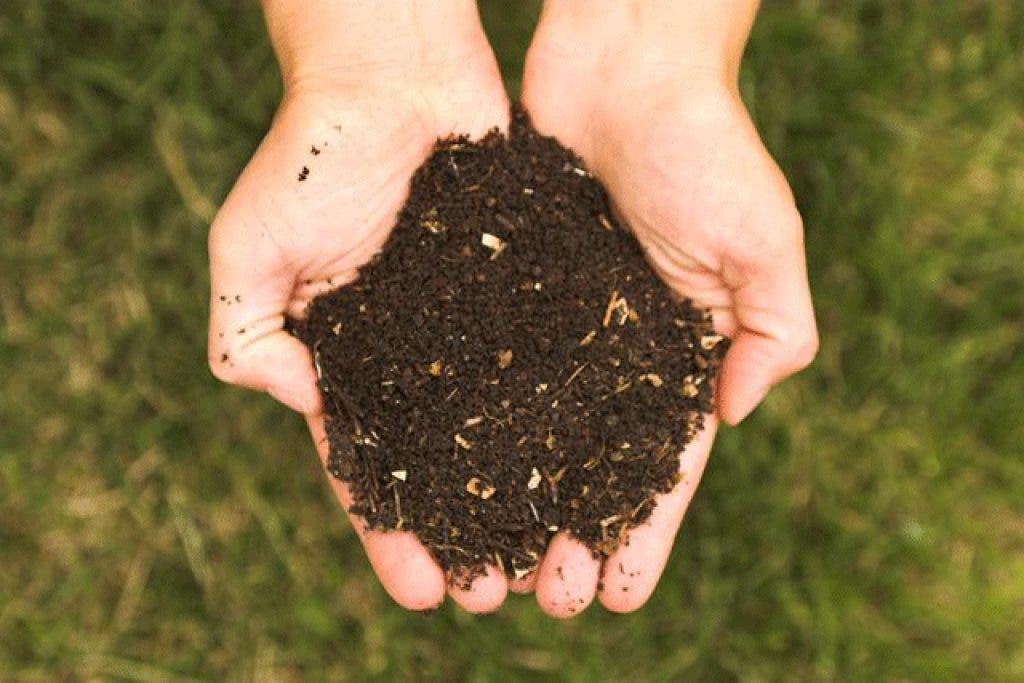
It seems that everywhere I go, whether it’s the dentist chair, the produce section at Diablo Foods or the Reservoir Run, I hear, “You know about compost...” followed by a series of questions about this apparently intimidating subject.
Well, here’s the thing about compost: It happens. Yes, compost happens.
Nature does an ok job of cleaning up its debris. Leaves that are raked and left in a pile in the yard will eventually, magically and mystically, turn into dirt. The key word there is eventually. If you’re not in a hurry you can go along with nature’s schedule and let it happen slowly. It’s when you’re in a hurry that things get a little more interesting.
Before you start composting though, it’s really important to step back and ask yourself, “Why do I want to compost?” If the answer is you don’t see why you should transport your perfectly biodegradable yard waste, especially leaves, to some waste site many miles from here, then it’s not all that important to hurry things along. You can simply pile things in a corner of your yard and forget about them. Probably shouldn’t be in your front yard if you want to keep your neighbors happy, but a simple pile of leaves, grass clippings and even your food waste, can and will compost eventually.
If you want to compost, not just because it’s better for the planet, but because you actually want to produce compost which can run you $10 per cubic foot when buying the good stuff, then you are going to have to look more into the science of decomposition and soil composition. Those leaves laying around your yard, or handily bagged up and set out as garbage by your neighbor, make the perfect foundation for a great compost pile or bin.
Say the words, “compost bin” though and people start to get nervous, “Where do you buy one? Do you need a really expensive one? Are they really necessary? How much should I spend on one?” are just some of the questions I’ve heard about this. Really, a pile is fine, but a bin helps contain things, heat them and keeps critters out.
Oh gosh, I said “critters.” Now comes all the worry about raccoons, rats, mice and other vermin. Ok, this is where a bin helps out, you can put the stuff in a breathable box so the critters can’t get at it, but it’s also important to not just ‘dump and run’ with your pile. If you’ve got some choice food scraps: peels, tops, extras, mucky stuff out of the bottom of your “crisper” then you don’t want to set them on top of your pile and run. You’ve just set up a wildlife buffet. Bury the scraps under the leaves and clippings and they won’t smell so delicious for the little varmints.
What will attract varmints a lot faster than banana peels and rotting leaves however, is meat and dairy. Those take a very long time to compost, create bacteria that won’t be killed off by the heat of the bin and can cause health problems for you and your soil, not to mention feed a fine colony of rats. Instead feed those to your chickens or your neighbor’s chickens.
You’ve got your leaves, now what? Leaves are a wonderful building block because they are full of carbon which is a huge ingredient for soil, however it takes a long time for carbon to break down on its own. You need to up the heat by adding ingredients high in nitrogen such as grass clippings, green weeds without seeds, coffee grounds, mucky food scraps, manure, manure and manure. Oh yes, manure is that important.
If you don’t have your own chickens, volunteer to clean out your neighbor’s coop. Chicken manure is great for plants, but is usually far too hot to add directly to your garden, it needs to compost first, and while it’s doing that it is great at breaking down the carbon in the leaves. If you’ve got no chickens in your neighborhood then you might want to head down to the nearest horse stable and bring a bag or a bin or two. Most stables are happy to have you haul away the manure, but ask first to check.
Don’t drink coffee? That’s ok! Just head down to Peet’s coffee or other local coffee shop with a five gallon bucket with your name on it and ask for today’s grounds. They’ll fill your bucket through the day and you can pick it up that evening or the next morning. Coffee grounds are absolutely dynamite at breaking up carbon.
Once you’ve got your nitrogen ingredients, you want to build your pile like a cake or lasagna. You’re going to make a layer of carbon, then top it with a layer of nitrogen, go back to the carbon and on and on till you fill your bin. Now, instead of putting it in the oven, you’ll shut the lid of your bin and walk away for a while.
Do you have to turn it? That depends again on how fast you want it to decompose into compost. If you turn it you’ll have completed compost much faster. Same goes for the watering of your pile. If you keep an eye on how moist your pile is the faster you can get it to go. You want it to feel like a dampened sponge, not to much wetter than than or things go anaerobic on you and that stinks. Turning it and keeping it just damp will aerate it enough to help decomposition along faster.
Above all: don’t stress about it. If you forget to turn it, water it, layer it, it will magically compost all on its own. Simple. Now, if you see me in the deli section, you’ll have some of your questions answered already.