Neighbor News
Eighth Rabid Bat Detected in Alameda County Found in Livermore
A bat from Livermore submitted to the Alameda County Public Health Laboratory for tested positive for rabies last Friday.
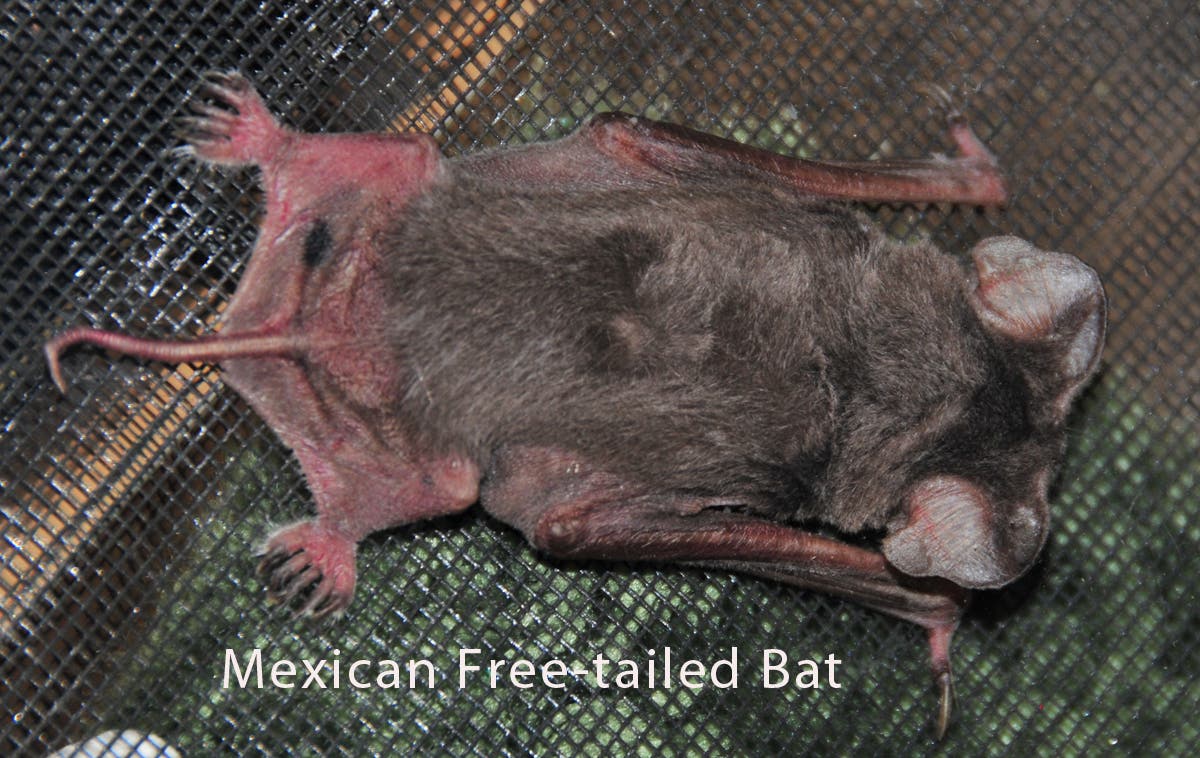
A bat from Livermore submitted to the Alameda County Public Health Laboratory for testing on 4/30/2015, tested positive for rabies last Friday. This is the eighth bat infected with rabies detected in Alameda County in 2015. Last year rabies was detected in two bats—one each from Fremont and Pleasanton.
This makes three rabid bats detected from Fremont, two in Pleasanton, and one each in Livermore, San Leandro, and Sunol.
This most recent bat find is still under investigation, though there does not seem to be human or pet contact with the rabid bat.
Find out what's happening in Livermorefor free with the latest updates from Patch.
Handling wild animals, especially animals that are acting strangely—seemingly ill, are potential high-risk contacts for rabies transmission. Even if not bitten or scratched, contact with the saliva infected with the rabies virus can be acquired through skin abrasions or mucus membrane. For this reason any person(s) who had this type of contact should be seen by a physician and possibly begin anti-rabies post exposure treatment. Rabies is virtually fatal once the infection begins, but timely post-exposure treatment can effectively halt the infection.
The periodic discovery of rabid animals (mostly bats) in Alameda County reinforces the need to keep your pets’ rabies vaccination up-to-date. Contact your local animal control or Vector Control (510)-567-6800), if you notice a suspicious situation involving wildlife, foxes, ferrets or cats and dogs. All mammals are potential victims of rabies, but in Alameda County, as well as all of California, bats are the animals most commonly detected with rabies, followed by skunks.
Find out what's happening in Livermorefor free with the latest updates from Patch.
What is rabies and how is it transmitted?
Rabies is an acutely infectious viral disease that affects the nervous system of humans and other mammals. People get rabies from the bite of a rabid animal. Any wild mammal, like a bat, skunk, or fox can have rabies and transmit it to people. It is also possible, but quite rare, that people may get rabies if infectious material from a rabid animal, such as saliva, gets directly into their eyes, nose, mouth, or a wound. Because rabies is a fatal disease, the goal of public health is first, to prevent human exposure to
rabies by education and second, to prevent the disease by anti-rabies treatment if exposure occurs. Thousands of people are successfully treated each year after being bitten by an animal that may have rabies. A few people die of rabies each year in the United States (2011, 3 fatalities)—the majority of the cases were acquired outside of the US., usually because they do not recognize the risk of rabies from the bite of a wild animal and do not promptly seek medical advice. Bat contact is one of the highest-risks for rabies, especially when people or their pets are exposed and think their incidental contact was so slight that there is not a problem.
Why should I know about rabies?
Rabies is a fatal disease if left untreated soon after the time of exposure. Rabies virus acquired from bats has caused most of the recent human rabies cases acquired in California. Awareness of the facts about rabies can help people protect themselves, their families and their pets. This information may also help clear up misunderstandings about the rabies risk in our area.
During 2014 there were 150 bats detected with rabies in California, 24 skunks, 2 cats, 1 dog, and 1 fox. In California from 1997 to 2011, rabies has been detected in 3,778 animals. Bats are the leader with 2,415 detected with rabies, and skunks are behind with 1,201. The next closest runner-up is the fox with 103, and followed by dogs (20) and cats (17). During this same time, period 112 rabid animals were detected in Alameda County (83 bats, 27 skunks, 1 fox, and 1 opossum). There have been eight fatal human cases in California from 1997 to 2014 (four acquired outside California and four acquired from bats in California).
Alameda County is a “declared rabies area” and rabies vaccination is mandatory for dogs over 4 months old. Vaccination helps protect your pet, and reduce the rabies exposure potential to you, your family, and neighbors. If your dog or cat is involved in a bite to a human or other animal, state law mandates “rabies quarantine” (isolation from people or animals) for the biting animal (usually 10 days). An unvaccinated dog, or cat that has contact with a biting animal that is subject to rabies, and that is not apprehended for quarantine or testing, will have to be vaccinated, and undergo six-month quarantine. Vaccinated dogs or cats will have to be re-vaccinated, and monitored for 30 days in quarantine. For the above reasons, having up-to-date rabies vaccination is very important to you, your family, and your pet. Six-month quarantine is a long time for a dog or cat to be isolated.
In addition, for any human exposures or any public health concerns you can call Alameda County Public Health Acute Communicable Diseases at (510) 267-3250.
For specific local information in Livermore, contact Livermore Animal Control (925)-371-4987.
For general information regarding rabies in Alameda County, contact:
Daniel Wilson (510) 567-6826
Or, (510) 520-3205 (cell phone)