Health & Fitness
Health Care Burnout and the Holidays: Time to Be a Kind Patient
A recent report notes that almost half of our doctors and health care workers suffer burnout - and these are their most challenging months.

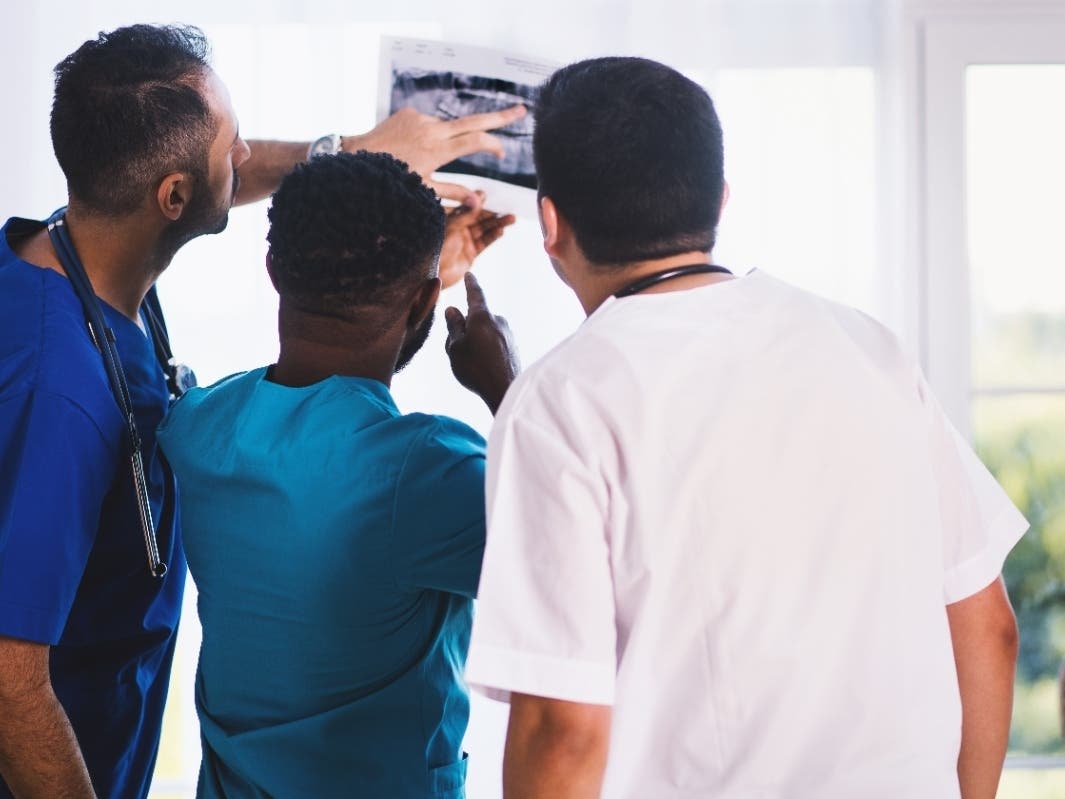
Rather buried in a recent avalanche of political and disaster news was a critical report about what’s been called a “slow-moving crisis” in America: health care burnout. The very people who care for us sometimes struggle to care for themselves.
A report released last month by a top health care advocacy organization tells what doctors, nurses, dentists and those who support them have long known. The myriad of our current health care system is making many of them ill.
It’s alarming for many reasons, mainly for the health of these dedicated professionals. But it's also concerning right now, as so many of us will depend on them through the upcoming holiday season and cold-weather months.
Find out what's happening in Long Beachfor free with the latest updates from Patch.
“The weeks and months ahead are when a lot of stress points merge for everyone, from holiday shopping to being with family, having higher energy bills, surviving the cold and more,” said Julieanne O’Connor, a faculty member with the 4M Institute of Long Beach, Calif., who helps dentists deal with professional burnout, and speaks before groups on health care burnout overall. “Remember that our doctors and health care workers have these same seasonal stresses, too. They’re only human; they are prone to the same problems associated with burnout as everyone else.”
In October, the release of a report by the National Academy of Medicine should have made all Americans aware of the seriousness of what the nation’s troubled health system is doing to health care workers. Unfortunately, it fought for attention with the President’s battles with Congress, various shootings and wildfires, and more.
Find out what's happening in Long Beachfor free with the latest updates from Patch.
But consider this: The NAM report divulged that up to half the country’s doctors and nurses experience substantial symptoms of burnout. (The burnout rate for other American workers is less than 30 percent).
These symptoms pose significant long-term problems. Burnout symptoms result in increased risks to the patients that doctors and health care professionals serve. The symptoms result in more malpractice claims, health care worker turnover and absenteeism, and financial losses for the medical industry.
“It’s a moral issue, a patient-care issue and a financial issue,” said Christine K. Cassel, professor of medicine at University of California at San Francisco, who co-chaired the committee of experts that wrote the report, in an article in the Washington Post.
The report was completed by a committee of doctors, nurses, health executives and leaders in bioethics, neurology and pharmacy. Their conclusion: between 35 and 54 percent of nurses and doctors experience burnout. Their symptoms include emotional exhaustion, cynicism, loss of enthusiasm and joy in the work they do, and increasing detachment from patients.
Health care burnout has been linked to higher rates of depression, substance abuse and suicide among the medical profession. The suicide rate among physicians is double that of the general population.
The report provided a list of needed changes, including:
- Suggesting that health-care organizations create executive-level chief wellness officers to monitor and protect clinicians’ well-being.
- Medical and nursing schools should train students to deal with burnout.
- Medical licensing agencies should find ways for doctors to seek help without having it used against them, such as in malpractice litigation.
The report surfaced only a year after the Washington Post reported on the same topic, quoting a prominent professor of health policy and management who called it a “crisis in slow motion.”
The committee responsible for the 2018 report noted that the health care system is harming the people – doctors, nurses and others – who are responsible for healing us. Health care worker burnout did not surface overnight.
Already some actions are in motion, including hospitals’ efforts to address doctor and employee burnout. O’Connor and the 4M Institute provide resources for dentists. And in other health care fields, several hours of instruction have been added to courses of study, among other positive developments.
But what can the average American do? To start, this holiday season and the subsequent cold-weather months, be cognizant of the pressures doctors, nurses, dentists and emergency room workers face in their jobs serving us during their busiest times.
Take extra care of your health; make appointments well in advance for regular checkups instead of waiting to visit the ER; and perhaps above all, be patient, courteous and understanding.
“When you think about health care during these cold months, remember the Golden Rule and treat those treating you as you would want to be treated,” O’Connor said. “Be kind to your doctor, dentist, nurse or others helping you take care of yourself or those you love. Remember, they have families and a home life they need to care for, too.”