Politics & Government
Long Beach Has Met Just 6 Percent Of Affordable Housing Goal, City Report Shows
City figures show just 974 affordable homes permitted toward a target of more than 15,000 through 2029.


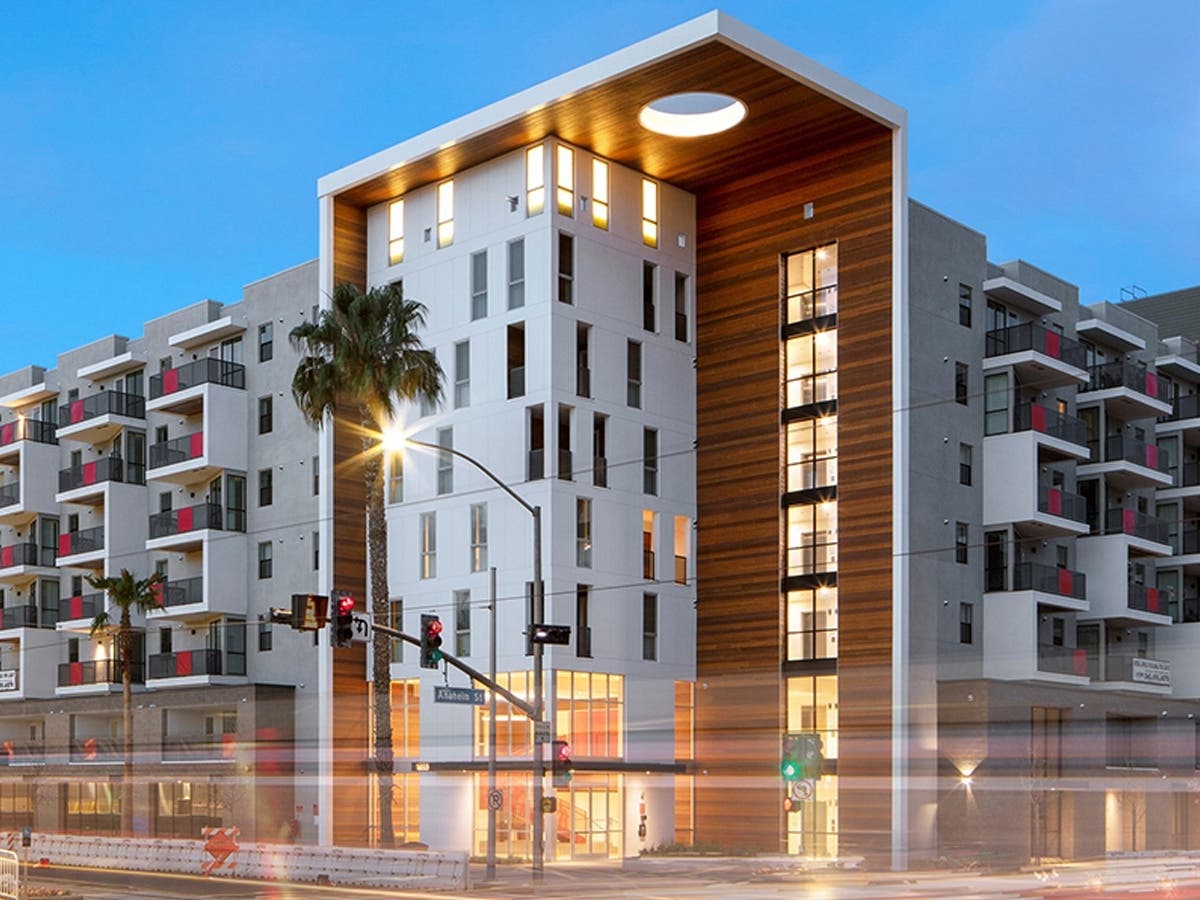
LONG BEACH, CA — Long Beach has met just 6 percent of its affordable housing target for the current eight-year planning period, according to city figures that reveal a substantial disparity between affordable and higher-income housing development.
The findings, detailed in a June 18 report from the city's Community Development Department, were part of the city's ongoing review of its housing policies, which returned to the Planning Commission's agenda Thursday, Oct. 15.
Under its 2021–2029 Housing Element, Long Beach must plan to accommodate 26,502 additional homes, including 15,346 affordable to very low-, low- and moderate-income households.
Find out what's happening in Long Beachfor free with the latest updates from Patch.
But by the end of 2025, the city had issued building permits for just 974 homes across those three income categories, leaving 14,372 units needed to reach its planning target. By comparison, the city's figures indicate that approximately 3,663 above-moderate-income units had been permitted toward an 11,156-unit target, representing roughly 33 percent.
The June report lists that category's progress as 43 percent, although its underlying figures calculate to approximately 33 percent.
Find out what's happening in Long Beachfor free with the latest updates from Patch.
Affordable Housing Production Lags
Long Beach's housing targets are established through California's Regional Housing Needs Allocation, or RHNA, which determines how much housing each community must plan to accommodate across different income levels.
The city's report shows that permits issued through 2025 accounted for approximately 7 percent of its 7,141-unit very low-income target and 12 percent of its 4,047-unit low-income target. No units had been permitted toward the city's 4,158-unit moderate-income target. Together, the three affordable categories represent nearly 58 percent of Long Beach's overall housing allocation.
The figures measure building permits issued, rather than completed or occupied homes. State housing law requires cities to plan and zone for their assigned housing needs, but does not require local governments to directly construct every unit in their allocation.
Nevertheless, the disparity illustrates the challenges Long Beach faces in encouraging development affordable to households earning less than the area's median income.
Fewer Projects Entering Development Pipeline
Although Long Beach continued to issue housing permits during 2025, the report also identifies a slowdown in the earlier stages of development. The city permitted 1,218 housing units last year, including 644 accessory dwelling units and 133 affordable units.
However, only 366 units received development entitlements, a substantial decline from previous years when the city recorded considerably higher approval numbers. Entitlements are approvals that generally precede building permits, making them an indicator of potential future construction.
City officials attributed uncertainty in the development market to elevated interest rates, tariffs on construction materials, unpredictable state and federal budgets and broader economic conditions. The report also cited limited government subsidies as an obstacle to affordable housing development, particularly as demand for Low-Income Housing Tax Credits continues to exceed available funding.
Federal Community Development Block Grant and HOME Investment Partnerships funding have also declined, according to the city. Officials said funding from Los Angeles County's Measure A could help offset some of those pressures beginning in 2026.
City Reviewing Housing Equity And Displacement
The housing production figures form part of a broader assessment of whether Long Beach's policies are improving access to housing and reducing displacement risks.
The review stems from commitments made when the California Department of Housing and Community Development certified the city's Housing Element in 2022.
Those commitments include evaluating whether existing programs are addressing longstanding patterns of segregation, unequal access to housing opportunities and the displacement of lower-income residents.
City staff identified continued displacement risks in several lower-resource neighborhoods and said additional measures may be needed to strengthen protections for existing residents. Potential changes include reinforcing policies intended to prevent the loss of existing housing and protect residents' ability to return after redevelopment. The assessment also incorporates community workshops, feedback from nonprofit housing organizations and a survey that received 558 responses.
The city is developing additional mapping tools to examine housing production, neighborhood conditions and displacement risks, alongside an evaluation of existing housing programs.
According to the city's Housing Element webpage, the final mid-cycle analysis is expected by the end of 2026. Its findings could help shape housing policy during the remaining years of the planning period, as Long Beach works to close the gap between its affordable housing targets and the number of homes being permitted.
Get more local news delivered straight to your inbox. Sign up for free Patch newsletters and alerts.