Politics & Government
U.S. EPA, Customs Operations at Southern California Ports Result in Fines and Seizures
The operation targeting foreign-made engines and illegal pesticides netted more than 5,325 items at the ports of Los Angeles and Long Beach.
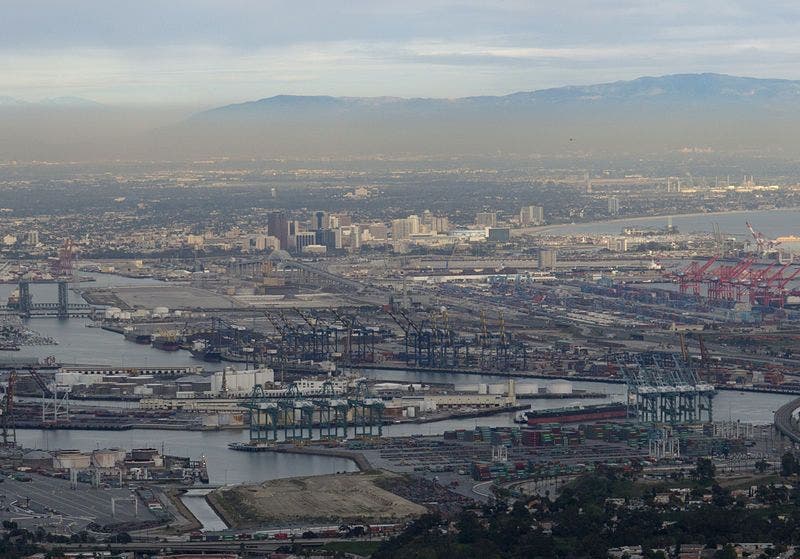
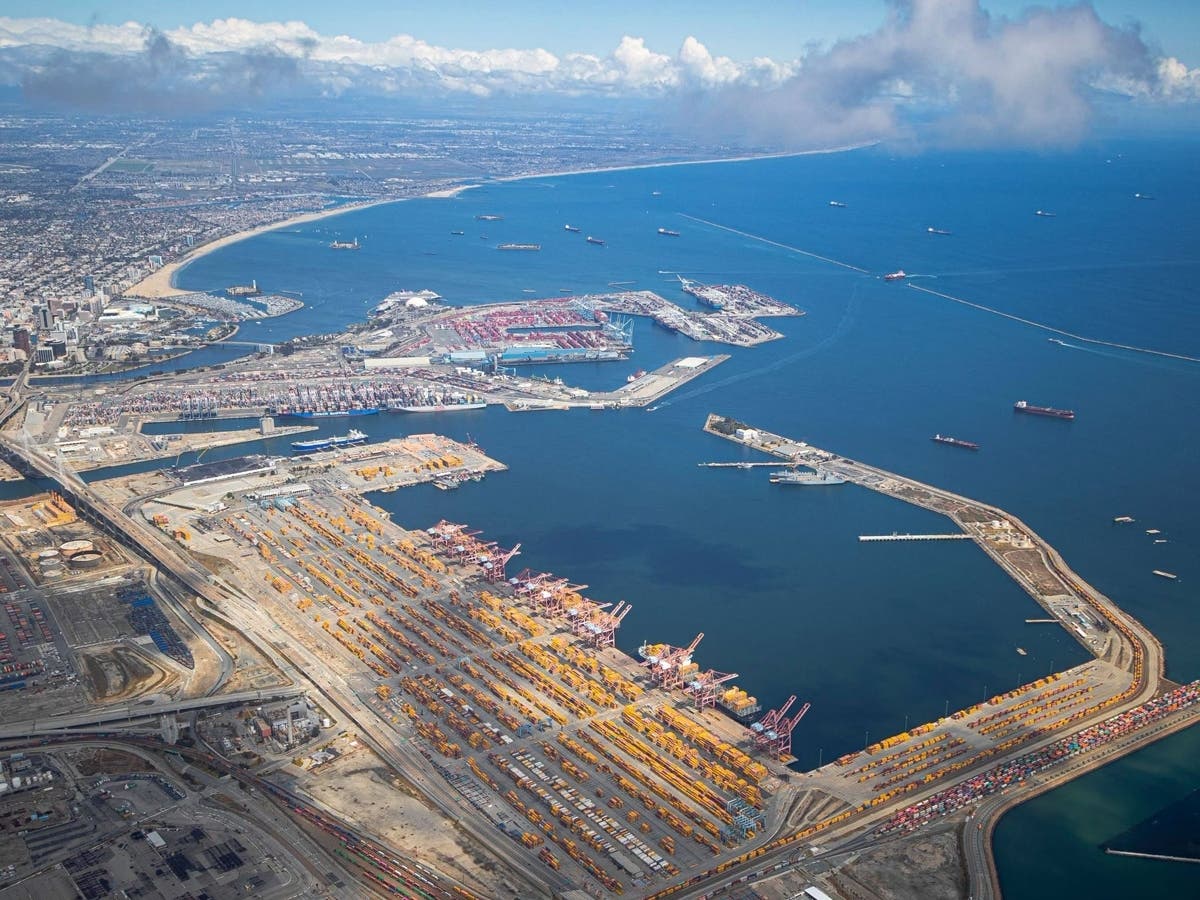
LOS ANGELES, CA -- The U.S. Environmental Protection Agency and U.S. Customs and Border Protection Thursday announced almost $300,000 in fines and more than 5,325 items seized or denied entry to the United States as a result of operations at the ports of Los Angeles and Long Beach targeting foreign-made engines and illegal pesticides.
"EPA and Customs have been working closely together to ensure imported engines meet air quality requirements," said Alexis Strauss, EPA's acting regional administrator for the Pacific Southwest. "The enforcement cases ... will prevent more than 1.5 million pounds of harmful air pollutants from being emitted into our air annually."
Under the joint initiative, EPA has been conducting regular inspections with CBP at state ports of entry since 2014. With more than 40 percent of containerized goods coming into the U.S. through Los Angeles and Long Beach, the focus has been on engines, vehicles and pesticides.
Find out what's happening in Long Beachfor free with the latest updates from Patch.
Mobile sources, such as on- and off-road vehicles, are one the largest sources of air pollution in California and account for about 20 percent of PM2.5 -- fine particulate matter up to 2.5 microns in diameter -- and 83 percent of nitrogen oxide emissions, according to the EPA.
Several companies were found to have imported vehicles and engines -- including scooters, ATVs, chainsaws and construction equipment -- without certification or proper emissions controls. Engines operating without adequate controls emit excess carbon monoxide, hydrocarbons and nitrogen oxides, which can cause respiratory illnesses, aggravate asthma and lead to the formation of ground level ozone or smog.
Find out what's happening in Long Beachfor free with the latest updates from Patch.
The inspections also targeted companies attempting to import unregistered or improperly labeled pesticides. Pesticide labels contain safety information that help prevent harm to human health and the environment.
-- City News Service, photo credit: Nick C. Prior/Wiki Commons