Community Corner
653 Rare Frogs Released Into LA County Mountains In Conservation Push
The release included frogs raised in the LA Zoo's new bio-secure amphibian facility as part of a long-running recovery program.


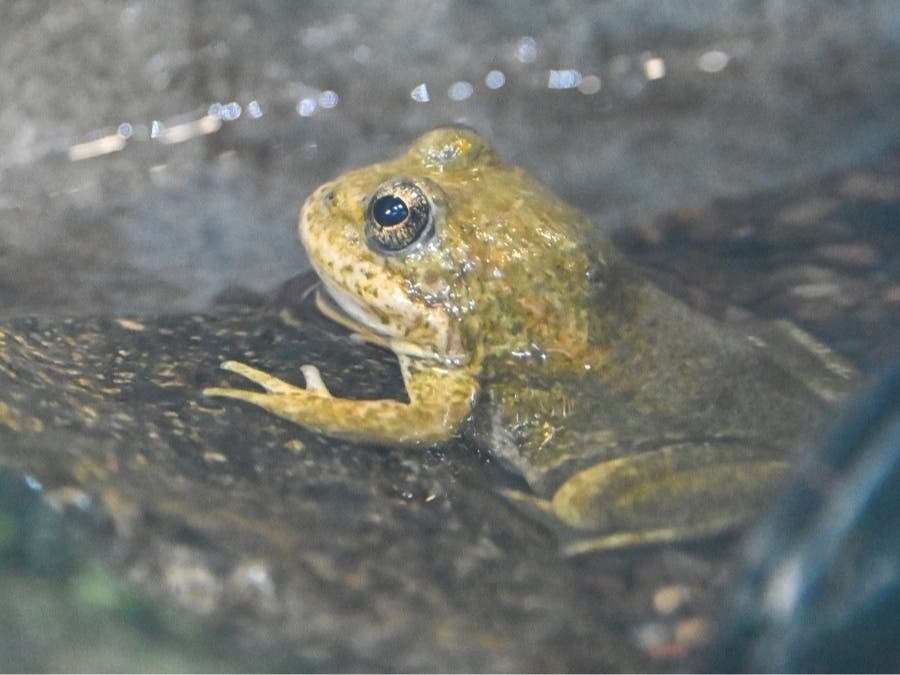
LOS ANGELES, CA — More than 650 endangered southern mountain yellow-legged frogs bred at the Los Angeles Zoo have been released into the San Gabriel Mountains as part of an ongoing effort to restore the species in the wild.
Staff from the LA Zoo, Aquarium of the Pacific and U.S. Geological Survey released 653 frogs into streams in their native habitat over two days in August. Crews released 338 frogs Aug. 19 and another 315 on Aug. 27, the zoo announced Thursday.
All of the frogs were bred at the LA Zoo, including 227 raised in the zoo's new bio-secure amphibian headstarting facility.
Find out what's happening in Los Angelesfor free with the latest updates from Patch.
The latest release brings the number of LA Zoo-bred southern mountain yellow-legged frogs returned to the wild to nearly 7,000 since the Southern Mountain Yellow-Legged Frog Recovery Program began.
“Seeing our new headstarting facility transition from a concept to a fully operational reality is a monumental milestone for the recovery of the southern mountain yellow-legged frog,” said Byron Wusstig, the zoo's curator of ectotherms.
Find out what's happening in Los Angelesfor free with the latest updates from Patch.
The new facility was built in renovated space at the zoo's Children's Discovery Center and includes specialized tanks and life-support systems designed to maintain water quality and provide a controlled environment for the frogs.
Zoo staff can raise the animals from the time they hatch, allowing tadpoles to grow and develop before being released. Releasing larger, more developed frogs is intended to improve their chances of surviving predators and other challenges in the wild, officials said.
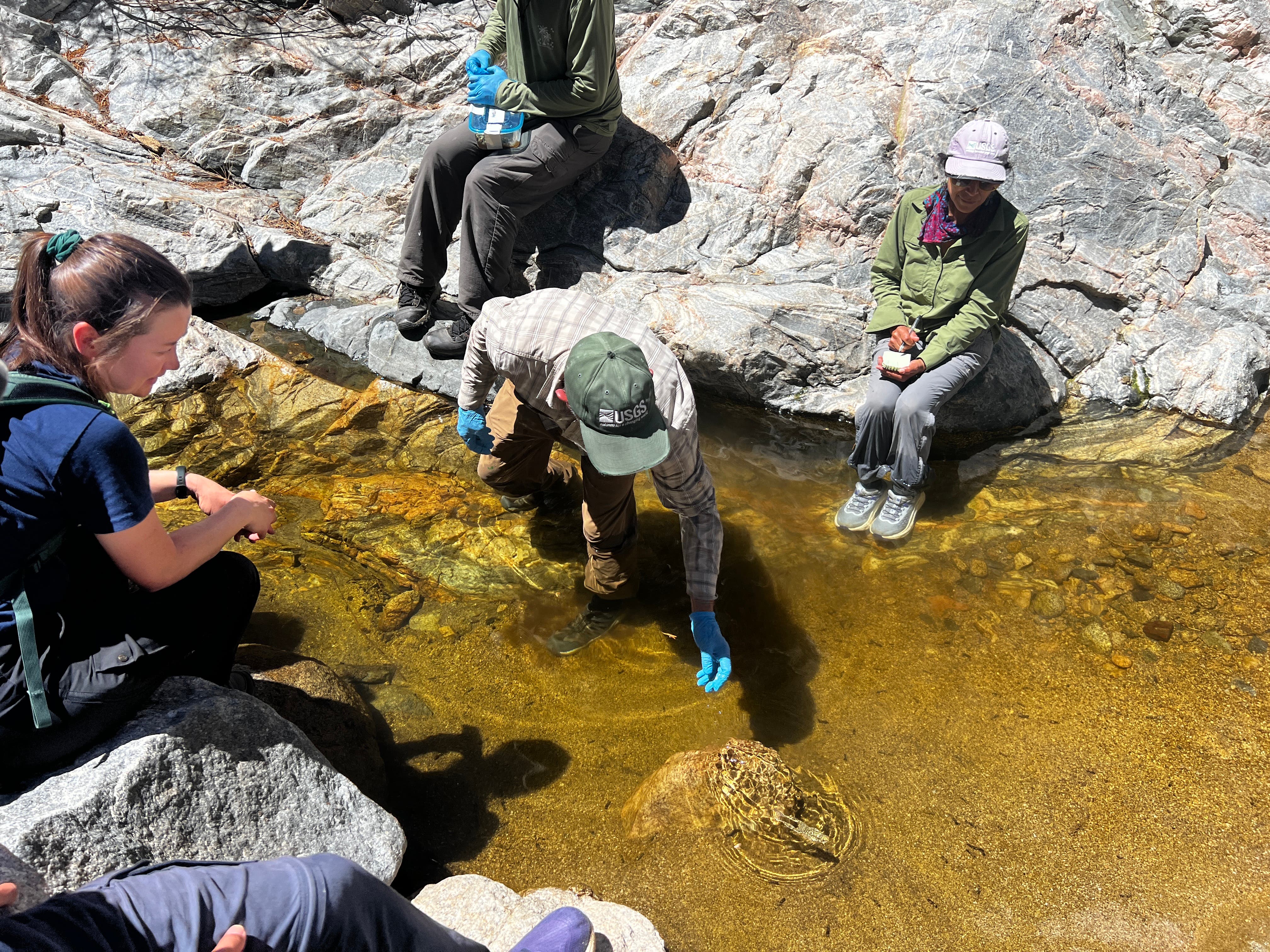
“By raising these sensitive amphibians in a specialized, temperature-controlled environment, we are significantly increasing their chances of survival,” Wusstig said.
The conservation program is also expanding its work with other zoos. About 112 tadpoles bred at the LA Zoo are expected to be transferred to the Santa Ana Zoo later in September for continued care.
Led by the U.S. Geological Survey, the Southern Mountain Yellow-Legged Frog Recovery Program includes the LA Zoo, San Diego Zoo Wildlife Alliance, Omaha's Henry Doorly Zoo and Aquarium, U.S. Forest Service, U.S. Fish and Wildlife Service and California Department of Fish and Wildlife.
The Aquarium of the Pacific, Santa Ana Zoo, Big Bear Alpine Zoo and Birch Aquarium have also joined the partnership.
The International Union for Conservation of Nature classifies the southern mountain yellow-legged frog as endangered. The species is found in perennial streams in portions of the San Gabriel, San Bernardino and San Jacinto mountains.
The frogs generally grow to about 1.5 to 3.25 inches long. Adults can be brown, yellow, gray, red or greenish-brown, often with dark markings that help camouflage them against moss and lichen. Their bellies and the undersides of their legs can be yellow or light orange.
Visitors can see southern mountain yellow-legged frogs at the LA Zoo's Living Amphibian, Invertebrate, and Reptile exhibit during regular operating hours.
Get more local news delivered straight to your inbox. Sign up for free Patch newsletters and alerts.