Business & Tech
CA Inflation: 40-Year-High Spike Costs Californians Thousands
Californians are paying thousands of dollars a year more for groceries, utilities and rent than they did for the same things a year ago.


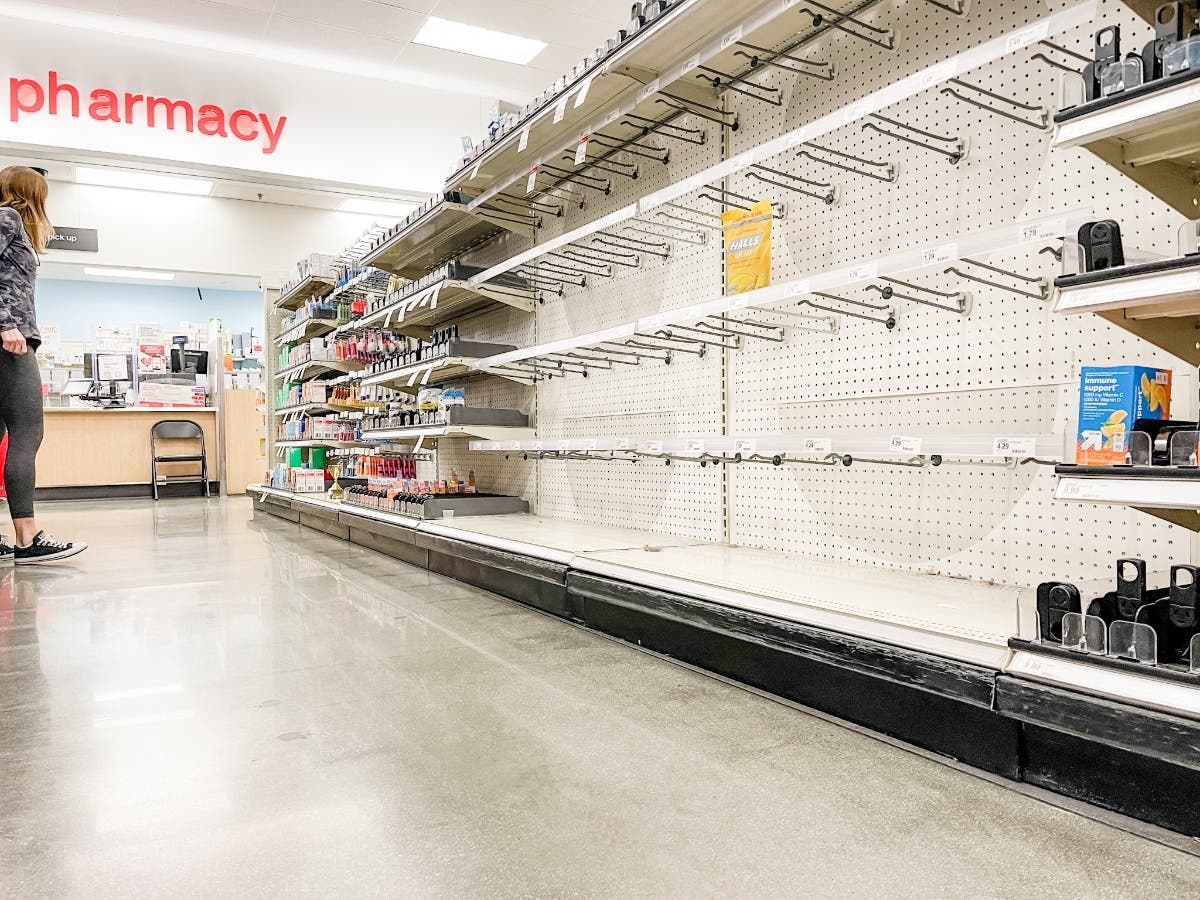
LOS ANGELES, CA — The cost last month of rent, food, cars and energy skyrocketed 7.5 percent year over year, a level of inflation Americans hadn’t seen in 40 years, the U.S. government reported.
The consumer price index, which measures the cost of core goods, climbed 7.5 percent in January over the year before, the U.S. Bureau of Labor Statistics reported Thursday.
The jump confirmed what everyday Americans already knew: Prices on everything from airfares to orange juice were going up faster than wages.
Find out what's happening in Los Angelesfor free with the latest updates from Patch.
In California, where residents paid some of the nation’s highest prices for gas, rent, utilities and food, the effects have been acute.
Golden State residents have been feeling the squeeze at the gas pump and grocery store for months. On top of that, rent increases have now caught up with the overheated housing market.
Find out what's happening in Los Angelesfor free with the latest updates from Patch.
California's median home price rose above $800,000 for the first time in 2021, according to the California Association of Realtors. That’s a near 17 percent increase from pre-pandemic levels in 2019.
Thursday’s CPI report suggested that the increased cost of housing was passed along to renters. Apartment rental costs rose 0.5 percent in January, the fastest pace in 20 years.
Inflation Hits Multiple Sectors
The price spikes were seen across sectors, not just for items directly affected by the pandemic. Electricity prices surged 4.2 percent in January alone, the sharpest rise in 15 years, and were up 10.7 percent from a year earlier. Last month, household furniture and supplies rose 1.6 percent over December, the largest one-month increase on record since 1967.
Food costs, driven by pricier eggs, cereal and dairy products, increased 0.9 percent in January. Air fares rose 2.3 percent last month, too. New car prices, which jumped during the pandemic because of a shortage of computer chips, were unchanged month to month but were up 12.2 percent over a year ago. The surge in new car prices accelerated prices for used cars: They rose 1.5 percent in January over December and were up a dizzying 41 percent over a year ago.
“Just as price pressures in some areas ease, inflation in other parts of the economy" picked up, said Sarah House, an economist at Wells Fargo. “The upshot is that inflation is likely to remain uncomfortably high.”
Regional Variations
Price increases varied by region. The most recently available data showed how much more consumers in California paid for goods and services.
Here’s a look at where prices stood in California.
Prices around the greater Los Angeles area were 7.5 percent higher in January over the same month a year earlier.
Food prices were 7.3 percent higher. Energy prices were up 33 percent. The index for all items excluding food and energy was 5.5 percent higher.

In the Bay Area, prices were up 4.2 percent in December (the most recent month data was available as of Thursday) compared with the same month in 2020.
Food prices were up 5.2 percent. Energy prices spiked 28.2 percent. The index for all items excluding food and energy was 2.8 percent higher.

Overall, the consumer price index jumped 0.6 percent from December, a spike expected to weigh heavily with the Federal Reserve as it mulled adjusting interest rates. The Federal Reserve has signaled that it will increase the cost to borrow by raising interest rates in a bid to tamp down inflation.
Wages were rising, too, but the historic rate of inflation hit wage earners particularly hard because paychecks weren’t keeping up. Wages rose at the fastest pace in at least 20 years, which can pressure companies to raise prices to cover higher labor costs.
Inflation-adjusted average hourly earnings fell 1.7 percent year-over-year in January — part of a 10-month straight decline, Bloomberg reported.
Shortages of supplies and workers, heavy doses of federal aid, ultralow interest rates and increased demand for goods were largely to blame for the increased prices. There were few signs that increases will slow significantly anytime soon.
Ports and warehouses were overwhelmed, with hundreds of workers at the ports of Los Angeles and Long Beach, the nation’s busiest, out sick last month. Many products and parts remained in short supply as a result.
The steady rise in prices left many Americans less able to afford food, gas, rent, child care and other necessities. More broadly, inflation emerged as the biggest risk factor for the economy and a serious threat to President Joe Biden and congressional Democrats as midterm elections loom later this year.
In the past year, sharp increases in the costs of gas, food, autos and furniture upended many other Americans’ budgets. In December, economists at the University of Pennsylvania’s Wharton School estimated that the average household had to spend $3,500 more than in 2020 to buy an identical basket of goods and services.
Many large corporations, in conference calls with investors, said they expected supply shortages to persist until at least the second half of the year. Companies from Chipotle to Levi Strauss & Co. also warned that they will likely raise prices again this year after having done so in 2021.
Chipotle said it increased menu prices 10 percent to offset the rising costs of beef and transportation as well as higher employee wages. And the restaurant chain said it will consider further price increases if inflation keeps rising.
“We keep thinking that beef is going to level up and then go down, and it just hasn’t happened yet,” said John Hartung, the company’s chief financial officer.
Executives at Starbucks and other consumer-facing companies said their customers so far don’t seem fazed by the higher prices.
Levi Strauss & Co. raised prices last year by roughly 7 percent above 2019 levels because of rising costs, including labor. It plans to do so again this year. Even so, the San Francisco-based company upgraded its sales forecasts for 2022.
“Right now, every signal we’re seeing is positive,” CEO Chip Bergh told analysts.
The Associated Press and Patch Editor Paige Austin contributed to this report.
Get more local news delivered straight to your inbox. Sign up for free Patch newsletters and alerts.