Health & Fitness
CA's Omicron Rapid Surge: What To Know
Omicron quickly established its grip on the Golden State and the variant has become difficult to avoid. Here's what we know.


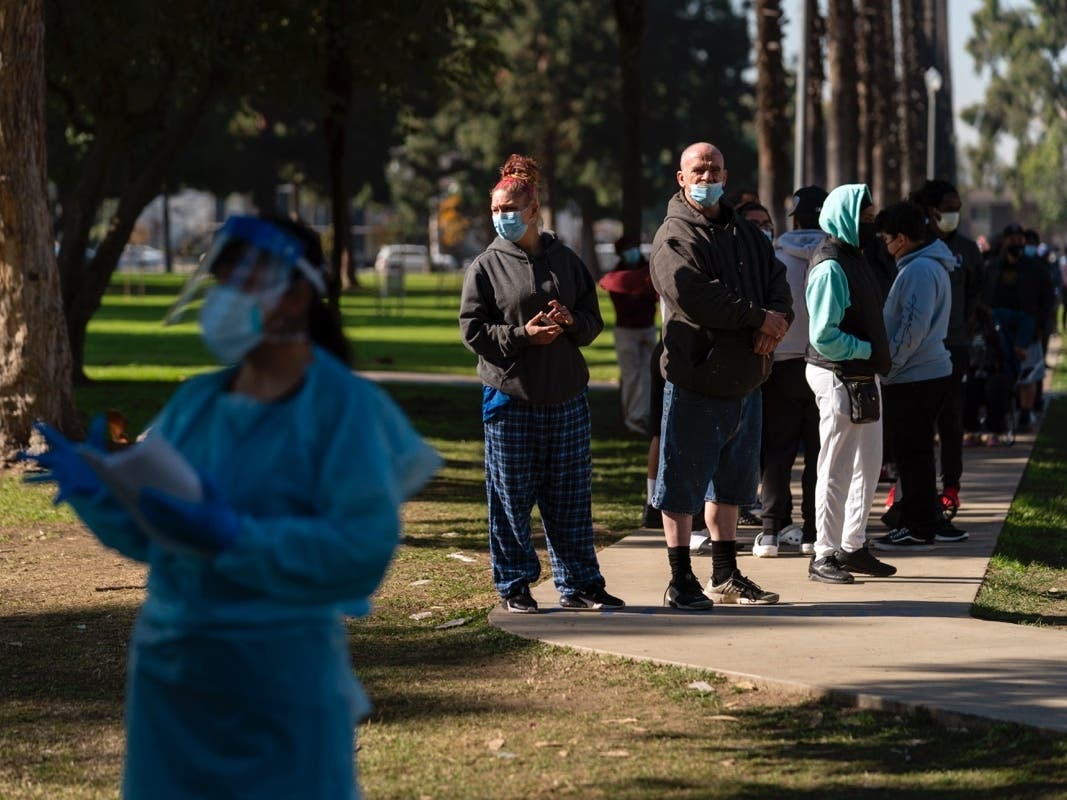
CALIFORNIA — Within the span of a month, omicron's rapid ascent has quickly disrupted the fabric of everyday life in California — just when residents were beginning to taste normalcy.
The omicron variant's unique structure allowed it to infect some vaccinated people and spread widely among the unvaccinated. Omicron displaced the delta variant as the new year dawned.
Globally, coronavirus infections have reached a new high, with 9.5 million new cases reported just last week, the World Health Organization announced Thursday.
Find out what's happening in Los Angelesfor free with the latest updates from Patch.
In the U.S., the omicron variant represented 95 percent of new cases for the week ended Saturday, according to the Centers for Disease Control and Prevention.
The variant appeared to cause less severe disease than delta, but the sheer volume of omicron cases threatened to overwhelm California's already short-staffed hospitals.
Find out what's happening in Los Angelesfor free with the latest updates from Patch.
"The tsunami of cases is so huge and quick that it is overwhelming health systems around the world," WHO Director General Tedros Adhanom Ghebreyesus warned this week.
READ MORE: CA Indoor Mask Mandate Extended Amid Omicron Surge
Here are the top five things Californians should know about the omicron COVID-19 surge.
1. Hospitalization Rates Will Be The Key Metric To Watch
"We need to monitor very closely hospital beds," Dr. John Swartzberg, a professor of vaccinology and infectious disease at the University of California, Berkeley, told Patch in an email. "If they start to fill, reimposing mandates may be necessary."
The omicron variant has become difficult to dodge and cases are on an upward trajectory in California. The state's positivity rate quickly shot up to 21 percent this week, up from 2.2 percent a month ago.
The numbers alone would have triggered a lockdown under delta. But experts argued that hospitalizations, not case numbers, should be the metric to monitor with omicron.
"What's somewhat unique about this surge is the disconnect between case rates, hospitalization rates and death rates," Dr. Timothy Brewer, a professor of infectious disease at the David Geffen School of Medicine at the University of California, Los Angeles, told Patch.
Unlike the delta variant, which sent vulnerable populations to hospitals statewide, cases are going up quickly but hospitalizations are "not going up in the same proportion that cases are" with omicron, Brewer said.
"If you're closing everything down, it usually means you probably haven't done everything else you needed to do correctly," Brewer said. "And so rather than trying to close things down, the better things to do are vaccinations, boosters, masks, etc., the kinds of things that we've been talking about for the last the last two years. That having been said, I don't think we should use case numbers as the metric."
2. Lingering And Mild Symptoms Of Omicron Cause Confusion
The CDC recently reduced the quarantine and isolation period to five days from 10 for those who tested positive for COVID-19. But the omicron variant seems to cause a milder if more persistent illness in the vaccinated, making it confusing for those who test positive to know when to emerge from isolation.
"Here's what I would suggest: At five days after testing positive, if you are afebrile, symptoms are resolved, you can come out of isolation, but wear a good mask for the next five days. I would prefer a negative antigen test at five days also, if available," Swartzberg said.
But rapid-antigen tests have become sparse in the Golden State, and PCR test wait times have increased.
"Even in the absence of a test under the old guidelines, if your symptoms are getting better and you were afebrile and not on any medications like Tylenol or aspirin for 24 hours, you could come out [of isolation] after 10 days," Brewer said.
3. Those Who Test Positive With No Or Mild Symptoms May Not Be Contagious
It's possible for people to test positive for up to 28 days, Brewer said. But that doesn't mean a COVID-19-positive person will remain contagious.
"It's very difficult to culture virus in nonimmunocompromised individuals after about 11 days," Brewer said. "So we don't think that there's substantial virus around after that period of time. And so people, even if they were PCR positive, would be unlikely to spread infection at that point."
4. Most Monoclonal Antibody Treatments Are Less Effective Against Omicron
"It's a huge problem," Brewer said.
Only one treatment appeared to work against omicron infection — sotrovimab — but the treatment has been nearly impossible to come by.
"The monoclonal antibodies that we have been using in the past are not particularly effective against omicron, so they're not worth pursuing," Brewer said.
Sotrovimab is an antibody that was found in the blood of a person who recovered from the first severe acute respiratory syndrome virus, recorded nearly two decades ago, The Washington Post reported.
A number of studies showed that the treatment could be effective against omicron, but supply is severely limited.
5. Californians Should Get Boosted Even After Infection
In a matter of weeks, omicron showed its ability to evade natural immunity and slink around protection afforded by vaccination and booster shots.
The rising number of cases was both good and bad, said Joanne Spetz, associate director of research at the Healthforce Center at the University of California, San Francisco.
The lack of symptoms showed vaccines, boosters and natural immunity from prior infections work.
After receiving a booster, vaccine efficacy was about 70 to 75 percent against omicron, the San Francisco Chronicle reported. A recent U.K. study found that booster recipients were 81 percent less likely to be hospitalized with severe illness, The New York Times reported.
Experts urged people to get boosted, even if they become infected with omicron.
"This is not going to be the last variant that comes through," Brewer said.
The Associated Press contributed to this report.
California COVID-19 Data As Of Thursday
Vaccinations
- 65,613,968 total vaccines administered.
- 79.8 percent of the eligible population over 5 has been vaccinated with at least one dose.
- 142,439 people a day are receiving COVID-19 vaccination (average daily dose count over seven days).
Cases
- California has 5,530,751 confirmed cases to date.
- Thursday’s average case count is 36,282 (average daily case count over seven days).
Testing
- The testing positivity rate is 21.4 percent (average rate over seven days).
- Hospitalizations (as of Wednesday, hospitalized and ICU patients reflect only confirmed COVID-19 cases):
- 8,671 hospitalizations statewide.
- 1,430 ICU patients statewide.
- Unvaccinated people were 10.1 times more likely to be hospitalized with COVID-19 than unvaccinated people (data from Dec. 13 to 19, 2021).
Deaths
- 76,049 COVID-19 deaths since the start of the pandemic.
- COVID-19 claims the lives of 44 Californians each day (average daily death count over seven days).
- Unvaccinated people were 16.6 times more likely to die from COVID-19 (data from Dec. 6 to 12, 2021).
ALSO ON PATCH:
5 California Bed Bath & Beyond Stores Will Shutter By February
Get more local news delivered straight to your inbox. Sign up for free Patch newsletters and alerts.