Weather
El Niño Queues Up As Three-Peat La Niña Ends: What It Means To CA
California is riding the climate roller coaster, going from the worst drought in 1,200 years to atmospheric-river storm-fueled flooding.


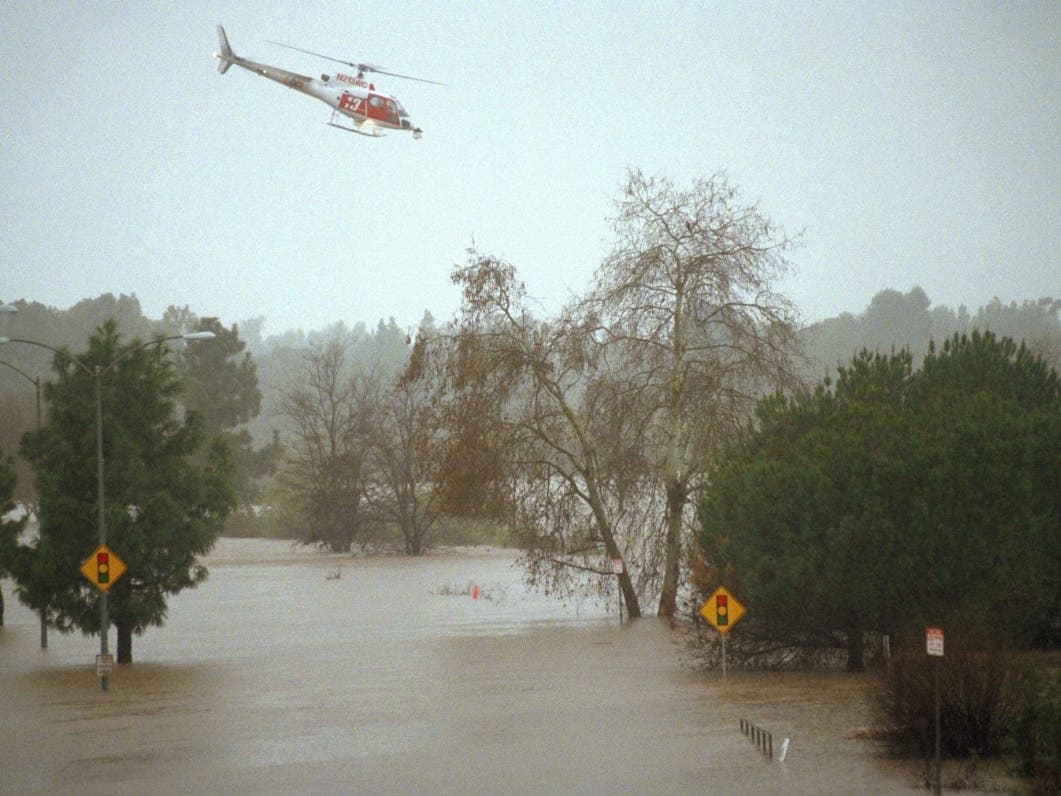
CALIFORNIA — After enduring historic drought conditions exacerbated by three years of the La Niña weather phenomenon, California is finally free from her clutches, the National Oceanic and Atmospheric Administration said Thursday. However, El Niño may be looming, and with it, comes a whole new set of weather and climate challenges.
Unlike the typically dry years La Niña brings to California, El Niño tends to bring increased chances of torrential storms, flooding, mudslides and coastal erosion. It typically occurs every three to five years when surface water in the equatorial Pacific becomes warmer than average. This week, the World Meteorological Organization forecast a 55 percent chance of an El Niño developing heading into autumn.
El Niño spring forecasts are generally less reliable than ones made at other times of the year. However, like The World Meteorological Organization, the National Weather Service also sees a likelihood of an El Niño autumn in 2023. Climate scientist Michelle L’Heureux, head of NOAA’s El Niño/La Niña forecast office, said there’s a 60 percent chance that El Niño will take charge in the fall.
Find out what's happening in Los Angelesfor free with the latest updates from Patch.
The end of the unprecedented “triple dip” La Niña is generally good news, especially in California, which is coming out of its worst drought in 1,200 years. Prone to wildfires and drought-stricken agricultural regions, large swaths of the state remain abnormally dry despite a parade of atmospheric river-fueled storms.
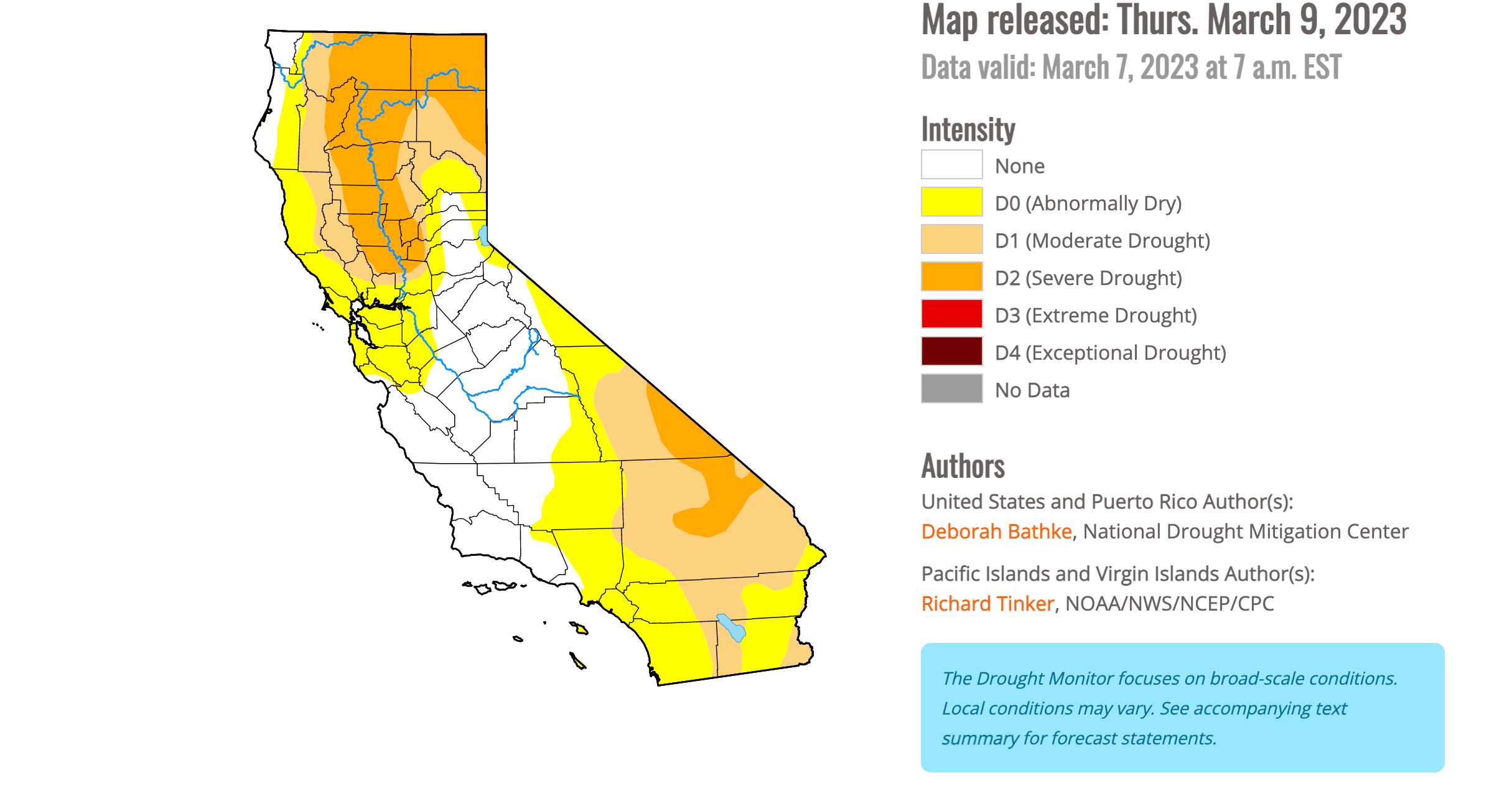
If the pattern flips to an El Niño, which scientists think could happen this summer or fall, more frequent rains could be beneficial.
Find out what's happening in Los Angelesfor free with the latest updates from Patch.
The La Niña climate pattern is a natural cycle marked by cooler-than-average ocean water in the central Pacific Ocean. It is one of the main drivers of weather in the United States and around the world, especially during late fall, winter and early spring. It is the opposite of El Niño.
Scientists said the planet is now experiencing a “neutral” condition that should continue through spring. The lack of either a La Niña or El Niño means there will be no seasonal-scale influence from the Pacific Ocean to push around the global atmospheric circulation and influence seasonal climate patterns.
“It’s over,” research scientist Azhar Ehsan, who heads Columbia University’s El Niño/La Niña forecast office, told The Associated Press. “Mother Nature thought to get rid of this one because it’s enough.”
This particular La Niña, which started in September 2020 but is considered three years old because it affected three different winters, was unusual and one of the longest on record. It took a brief break in 2021 but came roaring back with record intensity.
La Niña has also slightly dampened global average temperatures, keeping warming from breaking annual temperature records, while El Niño slightly turbocharges those temperatures, often setting records, scientists said.
Human-caused warming is like an escalator going up: It makes temperatures increase and extremes worse, while La Niña and El Niño are like jumping up and down on the escalator, according to Northern Illinois University atmospheric sciences professor Victor Gensini.
The 2015/16 El Niño was one of the strongest in 145 years, according to the California Coastal Commission. It brought to an end an extended period of drought in California. The most recent El Niño years occurred in 1980, 1983, 1987, 1988, 1992, 1995,1998, 2003, 2007, 2010, 2016.
Without an El Niño or La Niña, forecasters have a harder time predicting seasonal weather trends for summer or fall because the Pacific Ocean has such a big footprint in weekslong forecasts.
There’s also a 5 percent chance La Niña will return for an unprecedented fourth dip. L’Heureux said she really doesn’t want that, but the scientist in her would find that interesting.
The Associated Press contributed reporting.
Get more local news delivered straight to your inbox. Sign up for free Patch newsletters and alerts.