Health & Fitness
HBOT Gives Hope to Diabetics Suffering from Non-Healing wounds.
Learn how HBOT therapy can help in treating non-healing diabetic wounds, giving a new treatment avenue to diabetic patients.
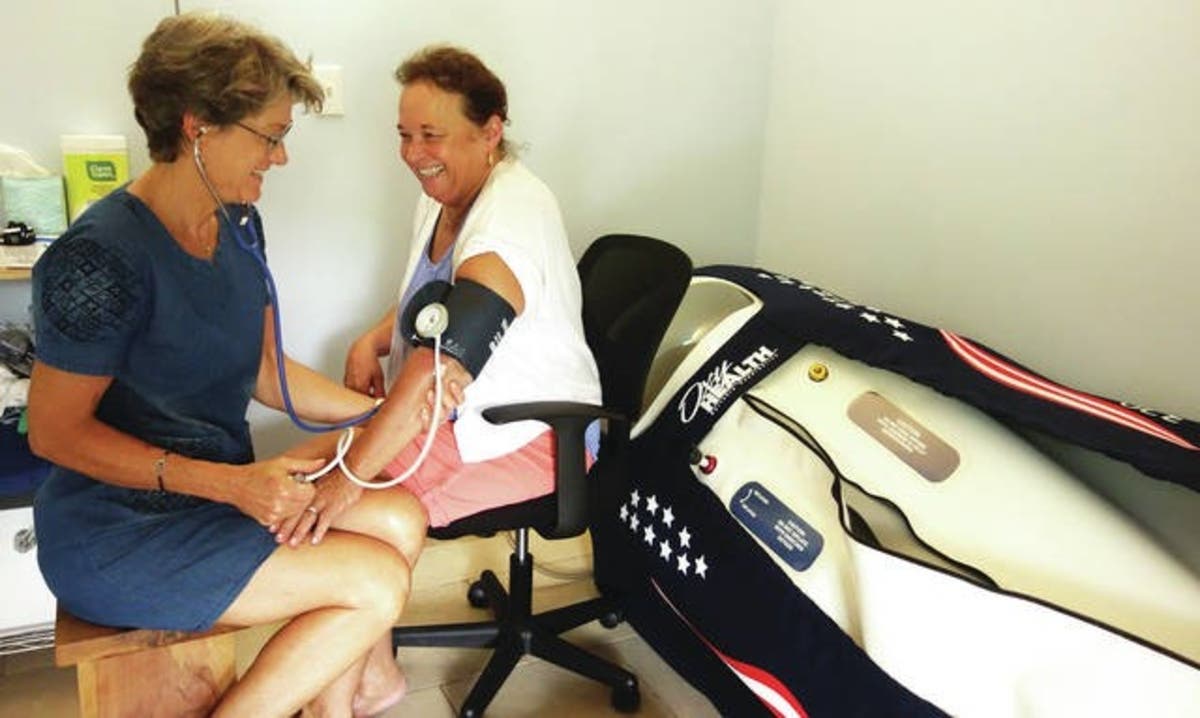
Physicians have been using hyperbaric oxygen therapy for years in hospitals and clinics to treat patients suffering from various conditions. While the therapy might not be as popular among the common masses, it is the standard care procedure for treating gas embolism, decompression sickness in deep sea divers, carbon monoxide poisoning, and many other health conditions. Apart from the above-mentioned ailments, HBOT therapy is also used to heal chronic, non-healing diabetic wounds like diabetic ulcers.
What are Non-Healing Diabetic Wounds?
One of the most frustrating complications of diabetes is the occurrence of the chronic non-healing wound. A diabetic person suffers from extremely high levels of blood sugar as their body fails to produce the right amount of insulin to counter the sugar levels, or the body fails to respond correctly to the insulin that is being produced.
Find out what's happening in Los Angelesfor free with the latest updates from Patch.
The high sugar levels can lead to the stiffening of the arteries and the narrowing of blood vessels, impairing normal blood circulation and causing a deficiency of oxygen in that area. In the absence of nutrients and oxygen (hypoxia) the cells in that area may fail to perform normal bodily functions, which includes wound healing.
Mark Rockwell, a certified physician's assistant from McElhattan, states that apart from suffering from chronic, non-healing wounds, diabetic patients also suffer from another associated ailment called diabetic neuropathy. This health condition leads to nerve damage and loss of sensation in that body part. The worst part of this condition is that the patient will not feel when a wound develops or fails to heal on time.
Find out what's happening in Los Angelesfor free with the latest updates from Patch.
According to a 2017 study published in The New England Journal of Medicine, diabetic non-healing wounds are a common complication, with 19 to 34 percent of diabetic patients suffering from at least one chronic foot ulcer in their lifetime.
The study also states that non-healing diabetic wounds have the potential to become a chronic problem with 2 out of 5 diabetic patients suffering from another ulcer within a year of the first occurrence. The report also states that approximately 20 percent of the patients suffering from moderate to severe diabetic infection may end up getting an amputation to finally get rid of the affliction.
The Role of HBOT Therapy in Treating Non-Healing Diabetic Wounds
While diabetes can cause a number of health conditions in an individual, after several research programs and studies, hyperbaric therapy has been proven effective in countering chronic, non-healing diabetic wounds like foot ulcers. With HBOT therapy, the body will be provided with additional pure oxygen that can accelerate the natural healing process.
“Diabetes can also interfere with the body’s ability to heal wounds, especially on the feet. Fortunately, hyperbaric oxygen therapy may be able to help,” says Mark.
For the uninitiated, to carry out hyperbaric therapy, the patient must enter a compartment known as the hyperbaric chamber, where pure, unadulterated oxygen is administered in atmospheric pressure greater than that found at sea level. The enhanced air pressure helps the pure oxygen to dissolve into all bodily fluids, including the blood plasma and CNS fluid.
These bodily fluids deliver the pure oxygen to the damaged cells and tissues where blood circulation is impaired, in turn enhancing the natural healing process of the body. Placing a diabetic patient in an all-oxygen environment gives their body an additional boost, thus helping the wound to heal effectively and quickly.
What Do Scientific Studies Have to Say?
A comprehensive analysis of several studies pertaining to the effectiveness of HBOT therapy for non-healing diabetic wounds was conducted in 2010. The analytical report stated that after a systematic review of 10 studies, it can be said that the HBOT therapy indeed lowers the risk of amputation in diabetic patients suffering from non-healing wounds and increases the chances of wound healing by a significant margin.
Larry Barbel and his Tryst with HBOT Therapy
Larry Barbel, a resident of Cincinnati Iowa, was suffering from a diabetic foot ulcer for quite a long time when doctors informed him that the only way to treat this ailment was to amputate the affected leg below the knee. While amputation is quite common with respect to diabetic foot wounds, Barbel was not ready to accept it. So he decided to seek a second opinion with Dr. James Fitzpatrick, who introduced him to HBOT therapy.
Hyperbaric therapy worked wonders for Larry as only after 50 sessions he was able to heal the wound and walk away with both his legs intact. Fitzpatrick says that Barbel showed praiseworthy perseverance and did not give up in-between the treatment.
In Conclusion:
With constant research hyperbaric therapy is emerging as a savior for many health conditions. If you are suffering from diabetic non-healing wounds, consult a doctor to determine whether HBOT therapy can help you in countering the ailment.