Community Corner
Eye-Biting Black Flies Invade LA Country In Wake Of Heat Wave
The tiny flies are known for their painful bites.


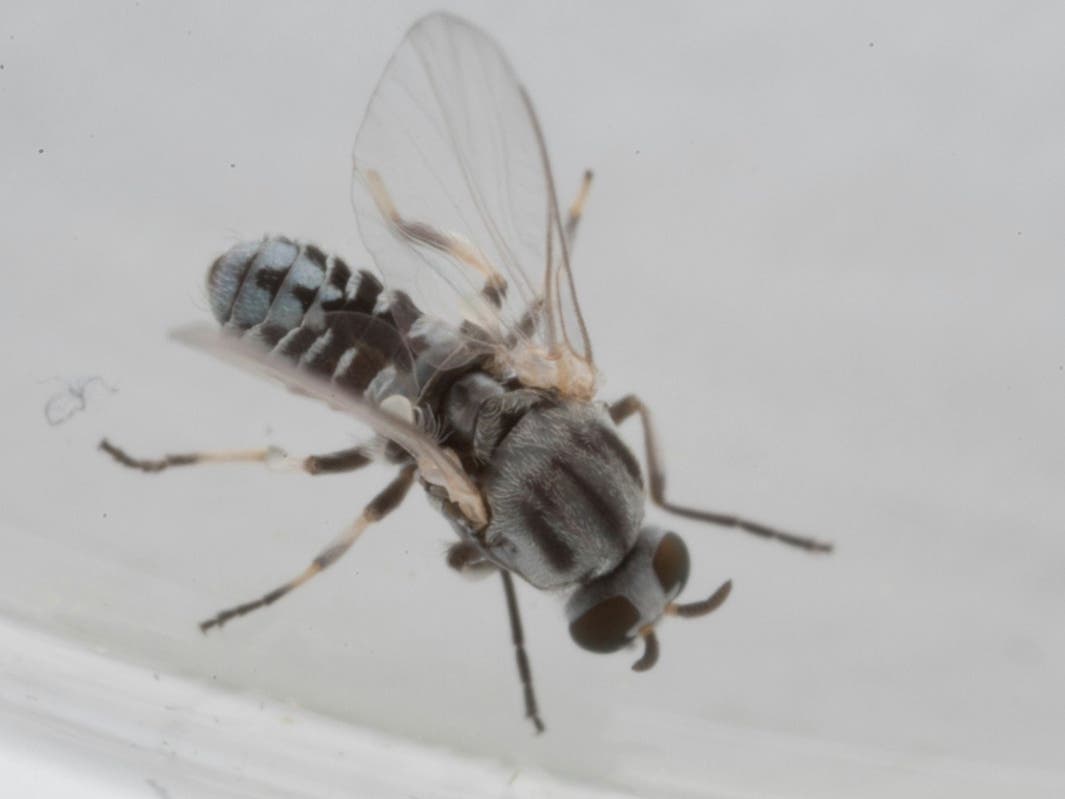
Authorities are warning of an uptick in black flies known for biting around the eyes of people and pets in Los Angeles County.
The San Gabriel Valley Mosquito and Vector Control District recently issued a warning advising residents about an increase in black fly activity in foothill communities north of the 210 Freeway.
"Black flies (Simulium vittatum) are a persistent biting nuisance in foothill communities like Altadena, Azusa, Bradbury, Duarte, Glendora, Monrovia, San Dimas, and Sierra Madre," officials wrote. "These small insects thrive in flowing water, which is essential for their reproduction."
Find out what's happening in Los Angelesfor free with the latest updates from Patch.
The flies breed in flowing water, where females lay up to 500 fertilized eggs at a time.
“Right now, populations are increasing due to favorable conditions, and black flies can travel up to five miles from where they emerge, which is why they’re being seen throughout the community," the Vector Control District said in a statement.
Find out what's happening in Los Angelesfor free with the latest updates from Patch.
Officials are treating breeding areas — including rivers, streams and locations like Morris Dam — at the maximum frequency and rate permitted by pesticide regulations. However, these treatments are expected to take a few weeks to take effect — so residents should expect biting activity to continue.
The flies, which are between 2 and 3 mm long, have a painful bite and aim for around the eyes and neckline of humans and domestic animals. However, they're more a nuisance than a harm: The flies do not transmit diseases locally, officials said.
Authorities said residents can wear netting over their faces to protect from bites and wear DEET-containing repellant on exposed skin.
"Unmaintained features like decorative fountains and backyard waterfalls can become unexpected breeding sites if water flows are left running," officials said.
The Vector Control District urged residents to turn off backyard water features for 24 hours once a week — but make sure to turn them back on to prevent mosquitoes, which breed in stagnant water.
Anais Medina Diaz, director of communications at the Vector Control District, said the number of flies are unusual for this type of year. Last year at this time, surveillance traps had single-digit counts of flies. This year, the traps are collecting above 500 flies, LAist reported.
Diaz said the recent unseasonably warm temperatures are, in part, likely to blame.
"Increases in black fly activity are often triggered by scheduled water releases from upstream dams. These flows are necessary for the region’s water management, but they also create ideal breeding conditions for black flies. This is a recurring, seasonal challenge that foothill communities will likely continue to experience," officials said.
Get more local news delivered straight to your inbox. Sign up for free Patch newsletters and alerts.