Neighbor News
How to Choose the Best Construction Estimating Software
Construction estimating software offers a range of benefits, such as increased accuracy, efficiency, and streamlined project management.
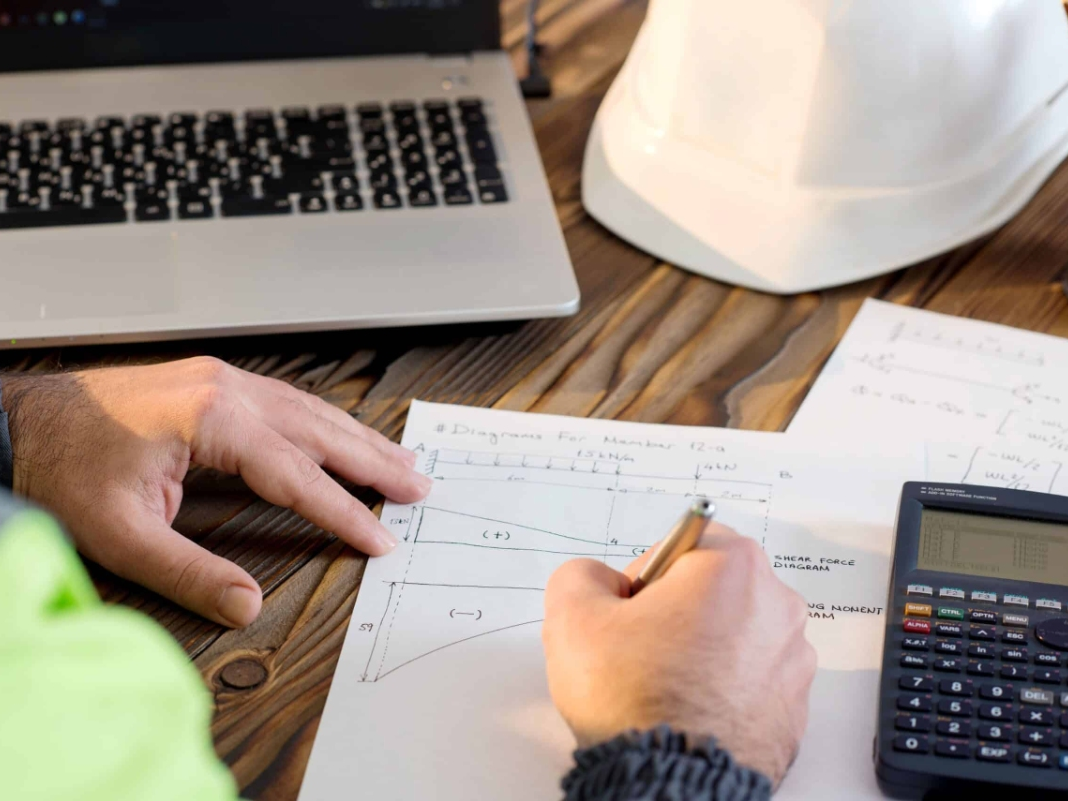
In the construction industry, precision in cost estimation is critical for project success. Accurate estimates allow companies to bid competitively, manage budgets effectively, and ensure project profitability. With technological advancements, selecting the right construction estimating software has become essential for modern construction firms looking to optimize their operations. This comprehensive review will guide you through the key features, benefits, and considerations for choosing the best software tailored to your needs, especially when considering an all-in-one bidding and estimating software solution.
Why Construction Estimating Software is Essential
The days of relying solely on spreadsheets and manual calculations are over. Construction estimating software offers a range of benefits, such as increased accuracy, efficiency, and streamlined project management. By automating the estimation process, these tools help eliminate human errors and improve the accuracy of project bids. The best construction estimating software integrates seamlessly into your workflow, providing real-time data, collaboration tools, and robust reporting capabilities.
Critical Features of Top Construction Estimating Software
When choosing the right estimating software for your business, there are several critical features to consider:
Find out what's happening in Los Angelesfor free with the latest updates from Patch.
1. All-in-One Bidding and Estimating Capabilities
The ideal software should offer a comprehensive suite of tools that cover the entire estimating and bidding process. This includes features like digital takeoff, cost databases, proposal generation, and bid management. All-in-one bidding and estimating software consolidates multiple functions into a single platform, reducing the need for multiple tools and improving efficiency.
2. Customization and Flexibility
No two construction projects are the same, and your software should reflect that. Look for software that allows for customizable templates, reports, and estimating formulas. Flexibility in customization ensures that the software can adapt to the unique needs of each project, enabling you to create more accurate estimates tailored to specific project requirements.
Find out what's happening in Los Angelesfor free with the latest updates from Patch.
3. Cloud-Based Accessibility
Cloud-based construction estimating software offers significant advantages, including access from anywhere, scalability, and automatic updates. These benefits are particularly valuable for construction companies with teams spread across multiple locations. Cloud solutions also enhance collaboration, as all stakeholders can access the latest data and updates in real time.
4. Integration with Other Tools
A powerful construction estimating software should integrate smoothly with other software tools you already use, such as project management software, accounting systems, and CRM platforms. This integration ensures a seamless flow of information, reduces data entry errors, and enhances overall project management.
5. Comprehensive Cost Database
An extensive and up-to-date database of material, labor, and equipment costs is crucial for producing accurate estimates. The software should provide access to local and national cost databases that are regularly updated to reflect current market conditions. This feature helps ensure your bids are competitive and your projects remain within budget.
6. Collaboration Features
Construction projects often involve multiple stakeholders, including subcontractors, suppliers, and clients. Collaboration features within the software enable real-time communication and data sharing, fostering transparency and improving teamwork. Features like shared access, comment tools, and version control are invaluable for keeping everyone on the same page.
7. Robust Reporting and Analytics
The ability to generate detailed, customizable reports is essential for monitoring project performance and making informed decisions. Advanced reporting and analytics tools can help identify cost-saving opportunities, forecast trends, and track project progress. Look for software that provides dashboards and visualizations to simplify complex data analysis.
8. Scalability
As your business grows, your software should be able to grow with you. Scalability is an important consideration when choosing construction estimating software. Ensure the solution can handle larger projects, additional users, and increased data storage without compromising performance.
Top Construction Estimating Software Options
Based on these critical features, here are some of the top-rated construction estimating software options available:
1. ProEst
ProEst is a cloud-based all-in-one bidding and estimating software known for its robust digital takeoff and estimating tools. It provides a comprehensive cost database and integrates seamlessly with popular construction management platforms. ProEst’s intuitive interface and strong customer support make it a preferred choice for both small contractors and large construction firms.
2. Buildertrend
Buildertrend offers a powerful combination of project management and estimating tools, making it a favorite for firms looking for an all-in-one solution. It features budget tracking, scheduling, and client management in addition to its estimating capabilities. The cloud-based platform enhances collaboration by allowing multiple users to access and update project information in real time.
3. Sage Estimating
Sage Estimating is a highly customizable software solution designed for companies of all sizes. It provides advanced estimating capabilities with a focus on accuracy and flexibility. Sage Estimating integrates well with other Sage products and offers a range of features that support detailed cost analysis and project management.
4. PlanSwift
PlanSwift specializes in digital takeoff and estimating, allowing users to quickly and accurately measure and calculate areas, lengths, and volumes from digital blueprints. Its integration capabilities make it a great addition to existing construction management systems. PlanSwift’s user-friendly interface and robust features make it ideal for contractors who need precise takeoff tools.
5. Bluebeam Revu
Bluebeam Revu is an industry leader in digital takeoff and collaboration, offering advanced tools for estimating and document management. Its measurement tools are particularly useful for creating detailed estimates directly from digital plans. Bluebeam Revu’s ability to handle complex projects and integrate with other software makes it a top choice for large construction firms.
Choosing the Right Software for Your Business
Selecting the best construction estimating software involves more than just comparing features. It requires a thorough understanding of your business needs, project types, and long-term goals. Here are some considerations to help you make the right choice:
1. Assess Your Current and Future Needs
Consider the size and complexity of your projects, the number of users who will need access, and your company’s growth plans. Choose software that meets your current needs but can also scale as your business expands.
2. Evaluate User Experience
The software should be easy to use for all team members, regardless of their technical expertise. Look for solutions with an intuitive interface and provide training and support to ensure a smooth transition.
3. Budget and Cost
While it’s important to invest in quality software, it’s also essential to stay within budget. Compare pricing models and consider the total cost of ownership, including setup fees, subscription costs, and any additional charges for support or updates.
4. Test the Software
Many providers offer free trials or demos. Take advantage of these opportunities to test the software’s functionality, ease of use, and compatibility with your existing systems. This hands-on experience can provide valuable insights and help you make an informed decision.
5. Read Reviews and Get Recommendations
Seek out reviews from other construction professionals and ask for recommendations from peers. Real-world feedback can provide valuable insights into the software’s performance, reliability, and customer support.
Conclusion
Selecting the right construction estimating software is a critical decision that can significantly impact your business's efficiency, accuracy, and profitability. By focusing on the features that matter most to your company—such as all-in-one capabilities, customization, integration, and collaboration—you can find a solution that not only meets your current needs but also grows with your business. Make an informed choice by evaluating your options carefully and considering your long-term goals.