Neighbor News
How to Raise Bilingual Kids at Home Even If You Only Speak One Language
With the right tools and routines, even monolingual parents can open the door to a multilingual future.


In an increasingly globalized world, it’s natural to want to raise your child to speak more than one language confidently. However, parents who speak only one language may worry about providing their young ones with this holistic development.
As daunting as it might seem, it’s more achievable than you might think. Beyond working with tutors and enrolling in language classes, there are several ways to help your child learn a new language and grow up bilingual.
How Language-Learning Can Benefit Your Child
Helping your child become bilingual can be challenging as a monolingual family. But learning a new language has many advantages for a young mind. Knowing what these are can make it easier to stay on track with your goal.
Find out what's happening in Los Angelesfor free with the latest updates from Patch.
Beyond strengthening their academic portfolio and empowering them to become an active member of a global community, learning a new language can position your child for long-term success and benefit them in the following key ways:
- Memory enhancement— remembering and applying language rules and vocabulary improves memory recall and function
- Problem-solving skills— developing better reasoning and creative skills with critical thinking honed from the observation of language patterns
- Discipline & focus— consistently observing the art of practice and observing a committed attitude to a new subject of learning
- Social-emotional skills— fostering understanding and empathy for new cultures while bolstering self-esteem and resilience
- Enrichment of social connections— by communicating with more people from various backgrounds and engaging with them in their native language
- Easier acquisition of a third language— learning other languages can become simpler once your child has mastered a second language
5 Ways Monolinguistic Parents Can Support Bilingual Learning
1. Create Consistent Language Exposure
The most important and effective step is providing your child with consistent exposure to the language you’ve selected. At a young age, children’s minds are open to learning, giving them an advantage over adults in real-time language learning due to heightened neuroplasticity.
Find out what's happening in Los Angelesfor free with the latest updates from Patch.
Exposure to a new language can be through various media and activities:
- Movies/Cartoons
Your child can learn a lot about diction, accents, spoken language, and expression by watching their favorite movies or cartoons in a different language.
The combination of something familiar (their favorite movies, shows, cartoon characters) with a new element (language) can create enrichment and help them engage with this new language in a new way.
- Songs/Poetry
Whether or not your child is musically gifted, listening to songs and poems in your desired language can improve their listening skills in a foreign tongue.
When they listen to nursery rhymes or songs by their favorite artist in a new language, it promotes lyrical learning. This could also be a great opportunity to learn how to translate into their native language.
- Board Games & Cue Cards
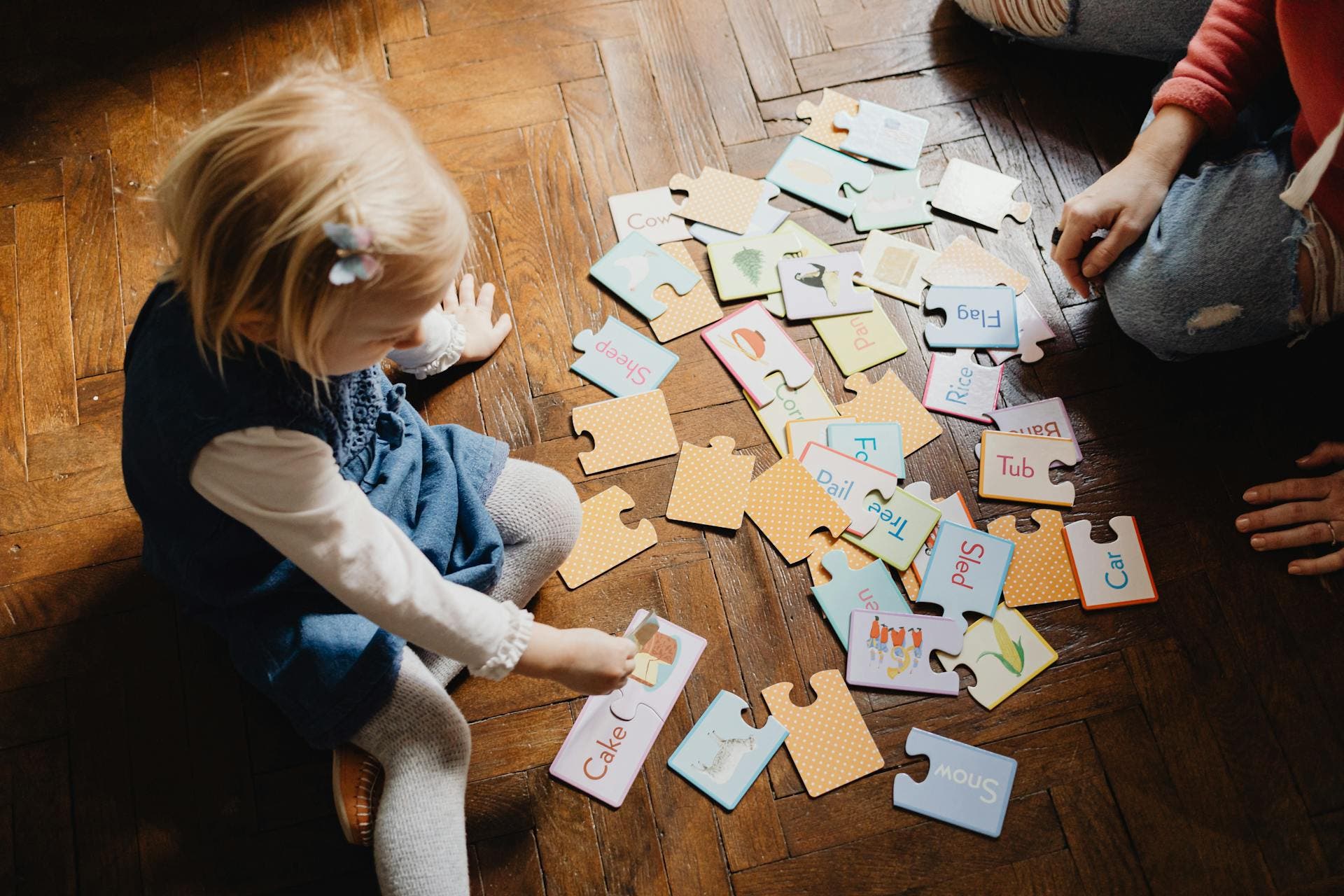
As a monolingual parent, you can blend language-learning and playtime by introducing bilingual board games. This can make your child excited about engaging with a new language, even at home.
- Books
Translations of popular fiction and bestselling young adult series can also be a fun way to help your child focus on learning a new language through solo study. For younger children, try nursery rhymes or books like The Very Hungry Caterpillar and Dr. Seuss.
2. Parallel Learning
If you’re not proficient yourself, learning alongside your child can be a special way to connect with them and encourage bilingualism. Pick up basic phrases to create opportunities for practice and make this a journey they feel supported in.
3. One Language, One Person (OPOL)
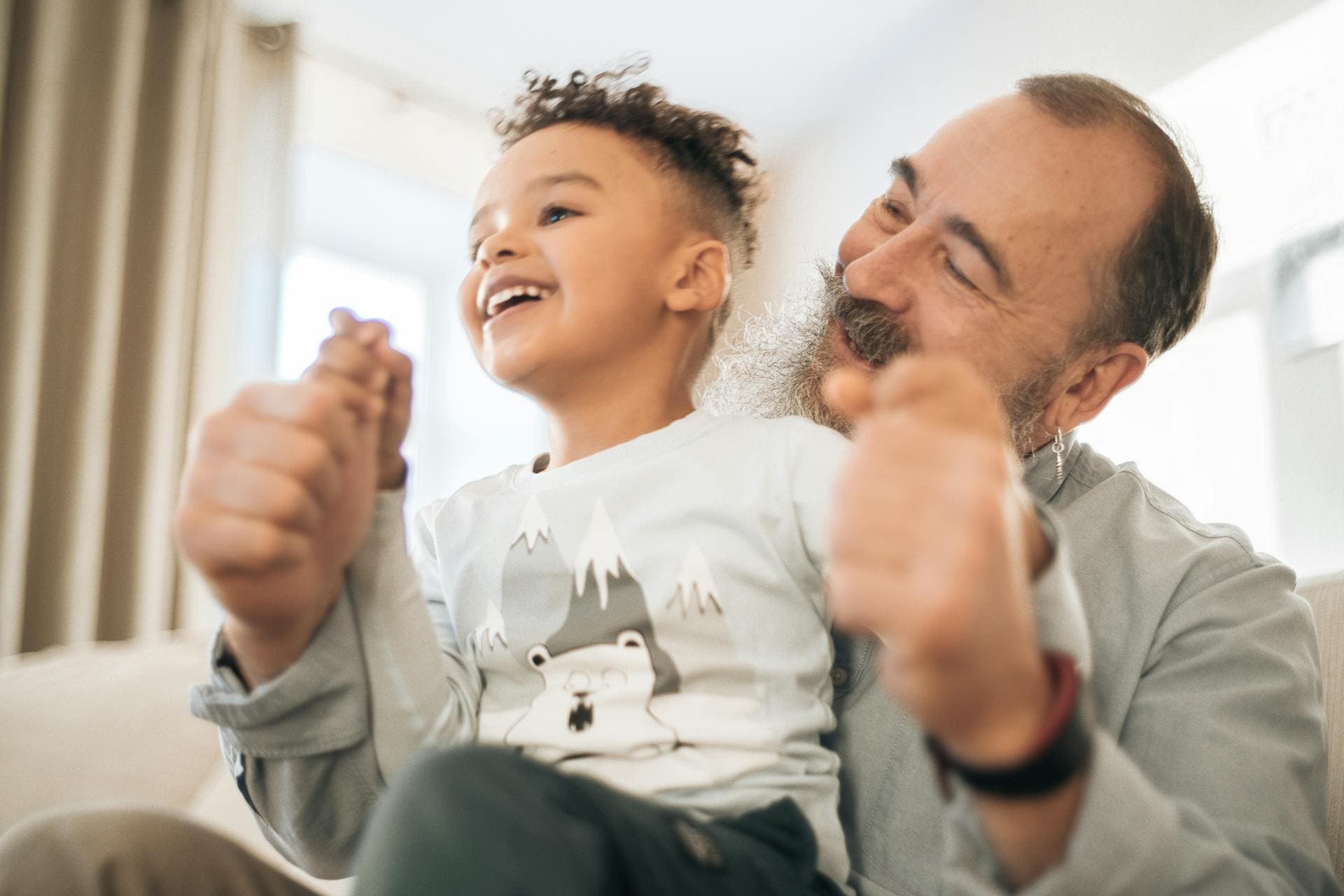
One Person, One Language is a method popularly used by bilingual parents, where each parent communicates with the child in a different language. However, you can use this strategy even as a monolingual parent by hiring support staff (like a nanny or an au pair) who speaks your desired language. Even relatives your child frequently meets can become designated language speakers.
The principle is simple: whenever the designated person interacts with the child, they only use this language to communicate. With the help of organic language acquisition, children are able to acquire a language at a natural pace through this method, without primarily focusing on formal lessons.
4. Technological Support
Language apps are a great tool for monolingual families wanting to support language-acquisition for children at home. It’s also a great way for parents to learn alongside young ones and participate in exercises with them regularly. There are many benefits of using foreign language DVDs and other media for language learning.
Here are some reputable language-learning resources and apps to explore:
- Duolingo ABC
- Lingokids
- Mondly Kids
- Rosetta Stone
Aside from apps, you could also customize the language settings on your child’s devices to enhance their engagement with a foreign tongue.
This could empower them to engage with a new language even through the most mundane, everyday actions such as setting alarms, making lists, and playing games. Depending on their age, you may want to monitor their activity on the internet.
5. Language Socialization
Engaging in a new language through socialization and everyday conversations is one of the best ways to help your child learn to speak and understand it.
But parents can also organize social activities that encourage immersion in the culture and arts of the countries or regions associated with this language. This could mean watching plays, attending exhibitions, and going to restaurants that are associated with the language. Traditional folktales and fables are another educational way for children to engage with a culture and learn more about the world. Once you’ve started exploring global storytelling, it’s easy to understand why every child should read international books.
This is especially important for kids who aren’t engaged by textbooks or formal study. Getting through to them by means of food, art, and fashion can be effective.
If you’re a monolingual parent, these tips can help you begin your child’s journey towards learning a new language. Someday, your child will be able to thank you - in more than one language!