Health & Fitness
LA County Smashes Record For Coronavirus Hospitalizations
In yet another record-breaking weekend, LA reported more than 4,000 hospitalizations Sunday as officials awaited the arrival of the vaccine.


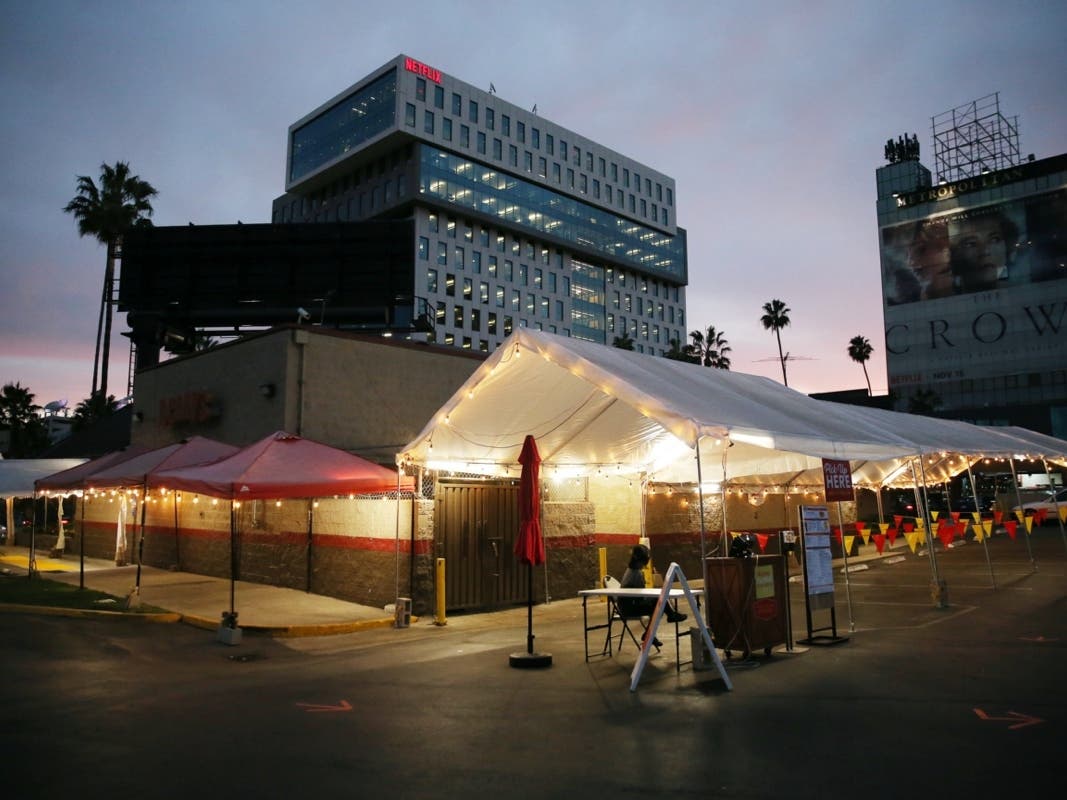
LOS ANGELES, CA — Los Angeles County crossed a grim milestone Sunday, reporting more than 4,000 hospitalizations related to coronavirus. Some 12,731 new cases were also recorded Sunday.
The new numbers brought the county's totals up to 525,486 cases and added to a death toll of 8,298 since the pandemic began. The number of hospitalizations rose to 4,009, an increase from 3,850 on Saturday, and 21% were in intensive care units.
As hospitals geared up to care for another surge in patients, doses of Pfizer's coronavirus vaccine were en route to California from a Michigan facility Sunday.
Find out what's happening in Los Angelesfor free with the latest updates from Patch.
Southland healthcare workers were anxiously awaiting the arrival of vaccines as many hoped to receive their first dose within the next few days.
The county expects to receive some 83,000 doses of the vaccine this week, with the initial doses distributed to 83 acute-care hospitals for administration to critical frontline workers.
Find out what's happening in Los Angelesfor free with the latest updates from Patch.
"Los Angeles County is working with a variety of partners around the county in storing and housing the vaccine," the county's health department said Sunday. "In the interest of the safety of the workers at these sites, Los Angeles County is not releasing details about these locations."
Dr. Robert Cherry, chief medical and quality officer for UCLA Health, told CNN on Sunday that he expected UCLA Health facilities to get the vaccines Monday or Tuesday, with shots administered on Wednesday.
Officials with Cedars-Sinai Medical Center said they had no definitive information yet on when they would be receiving the vaccine.
"Los Angeles County is working with a variety of partners around the county in storing and housing the vaccine," the county's health department said Sunday. "In the interest of the safety of the workers at these sites, Los Angeles County is not releasing details about these locations."
UCLA Health officials said they expected to recieve Pfizer's first dose of vaccines Monday or Tuesday, with the first shots administered on Wednesday.
Although the news of a vaccine provided some glimmer of hope in an otherwise bleak moment in the pandemic, the limited batch of doses won't be able to reverse the damage already done by the current surge in cases and dwindling intensive care unit capacity.
"Our daily case numbers are unlike any we have ever seen in our county and reflect extraordinarily high rates of community transmission; activities we were able to do just a few weeks back, now present far too much risk for virus transmission," the Los Angeles County Health Department said Saturday.
Last week was record-shattering by all key public health indicators. A month ago, the five-day average of cases was 2,134: On Saturday it was 10,034 — an increase of 370 percent. The five-day average of deaths one month ago, was 12: It was 62 as of Saturday. During that same span of time, hospitalizations increased by more than 300 percent.
"We're in uncharted territory at this point," county Public Health Director Barbara Ferrer said. "We're seeing daily numbers of cases and hospitalizations that we've not experienced and frankly did not anticipate. Our intensive care unit capacity continues to drop. We're on a very dangerous track to seeing unprecedented and catastrophic suffering and death here in L.A. County if we can't stop the surge. And in order to stop this very dangerous surge, today I'm making a request to everyone in L.A. County to stay home as much as possible."
Ferrer said if current trends continue, the number of coronavirus patients hospitalized and in intensive care could double in two weeks.
Ferrer said cases were already trending upward in the county prior to Thanksgiving, prompting the county to cut off outdoor dining at restaurants, but the current dramatic surge in cases is directly attributable to gatherings and travel that occurred over the holiday in spite of public health warnings, creating a surge on top of a surge.
And if another surge from Christmas compounds matters, the situation at hospitals "could become catastrophic," she added.
Plummeting intensive care capacity prompted the state to impose a regional stay at home order for the 11-county Southern California region last week. The order was triggered when overall ICU capacity dropped below 15 percent. As of Saturday, the state's estimated ICU capacity for the region — adjusted based on the percentage of current COVID versus non-COVID ICU patients — dropped to 5.3 percent.
The state's regional stay-at-home order — which covers Los Angeles, Orange, Riverside, San Diego, Imperial, Inyo, Mono, San Bernardino, San Luis Obispo, Santa Barbara and Ventura counties — bars gatherings of people from different households.
COVID-19 Daily Update:
December 13, 2020
New Cases: 12,731 (525,486 to date)
New Deaths: 29 (8,298 to date)
Current Hospitalizations: 4,009 pic.twitter.com/lhYolA5cWF
— LA Public Health (@lapublichealth) December 13, 2020
Under the order, the following businesses and recreation facilities were temporarily shuttered:
- indoor recreational facilities;
- hair salons and barbershops;
- personal care services;
- museums, zoos, and aquariums;
- movie theaters;
- wineries;
- bars, breweries and distilleries;
- family entertainment centers;
- cardrooms and satellite wagering;
- limited services;
- live audience sports; and
- amusement parks.
Schools with waivers can remain open, along with "critical infrastructure" and retail stores, which will be limited to 20% of capacity. Restaurants are restricted to takeout and delivery service only. Hotels are allowed to open "for critical infrastructure support only," while churches would be restricted to outdoor only services. Entertainment production — including professional sports — would be allowed to continue without live audiences.
The order will remain in effect until at least Dec. 28 or until Southern California can increase its ICU capacity to 15 percent.
The City News Service contributed to this report.
MORE COVID-19 COVERAGE FROM PATCH IN CALIFORNIA:
- LA Records 11k New Coronavirus Cases: 'Can We Stop The Surge?'
- SoCal's ICU Capacity Slips Under 5.3% As Vaccine Rollout Begins
- Dublin Whole Foods To Remain Open After Coronavirus Cases Surface
- CA Playgrounds Remain Open In Revision Of Stay-At-Home Order
- How Does CA's Stay-At-Home Order Affect Grocery Shopping?
- Will CA's Stay-At-Home Order Be Enforced? It's Complicated
- CA Coronavirus Notify App To Offer Statewide Exposure Tracking
- Coming To California: What We Know About The Vaccine Rollout
Get more local news delivered straight to your inbox. Sign up for free Patch newsletters and alerts.