Health & Fitness
LA's Unvaccinated Fuels Sharp Rise In Coronavirus Cases
The county has seen a huge rise in outbreaks, and officials say 99% of hospitalizations and deaths were reported among those unvaccinated.


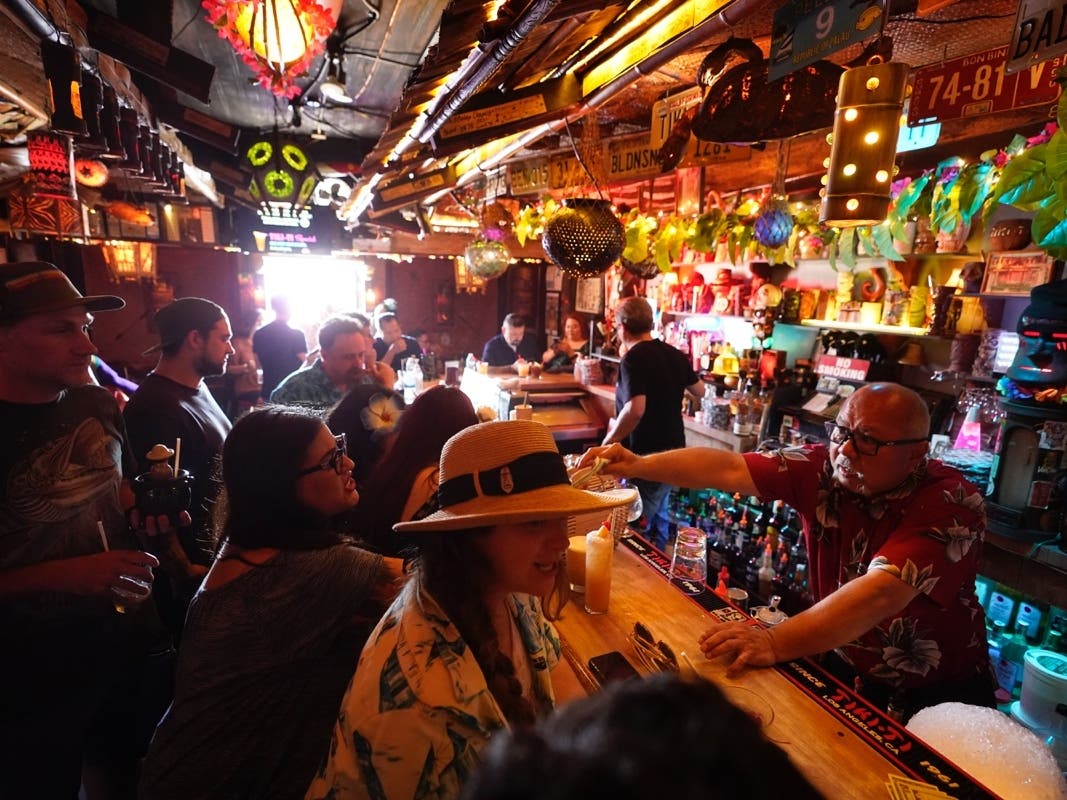
LOS ANGELES, CA — For a fifth consecutive day, coronavirus infections in Los Angeles County crossed the 1,000 case mark, officials said Tuesday. Officials also observed a 25 percent spike in outbreaks in just one month, and the highly transmissible and now dominant delta mutation is likely to blame.
On Monday county health officials were investigating 55 ongoing outbreaks, which are considered a cluster of three or more cases. The 55 outbreaks are up from the 44 being investigated a month ago.
Another staggering metric has underscored the county's urgency to vaccinate more residents: More than 99 percent of coronavirus spurred hospitalizations and deaths have occurred in those who are unvaccinated, Barbara Ferrer, county director of public health said Monday. Just about 61 percent of the county's population has been fully vaccinated, which still leaves a large chunk unprotected.
Find out what's happening in Los Angelesfor free with the latest updates from Patch.
The county's medical services director, Dr. Christina Ghaly, told the Board of Supervisors Tuesday that none of the county-operated hospitals have admitted a single COVID-19 patient who was fully vaccinated.
"Every single patient that we've admitted for COVID has been not yet fully vaccinated, and that's hard for the health-care workers to see," Ghaly said. "They've spent hours, effort, energy trying to care for patients, and at this point this really is a preventable illness, a preventable infection."
Find out what's happening in Los Angelesfor free with the latest updates from Patch.
What's more, daily COVID numbers are typically much lower on Sundays and Mondays due to lags in reporting test results from the weekend, meaning the infection numbers are likely larger than the numbers being released by the county.
The new surge began picking up steam last week, when the county confirmed a 165 percent increase in new cases. This week, the county's positivity rate rose to 2.9 percent, up from 1.2 percent at the start of July.
"Overall COVID-19 trends are going in the wrong direction for everyone, and are particularly concerning given the proliferation of the Delta variant," Ferrer said last week. "The most powerful way to protect those in hard-hit communities, many of whom are essential workers, is to close vaccination gaps."
According to the most recent figures from the Department of Public Health, among county residents age 16 and older, 69 percent have received at least one dose of vaccine. The rate among Black residents, however, is only 45 percent with at least one dose, compared to 54 percent for Latino residents, 65 percent for white residents and 76 percent for Asians. Vaccination rates continue to be especially low among younger Black residents, with only 28 percent of those aged 18-29 vaccinated.
Most of the newest infections seem to be in L.A.'s younger population as 87 percent of new cases were in those under 50 years old, Ferrer said Monday. The rising number of cases — likely attributed to the delta variant — is alarming to health officials as Angelenos sink back into normalcy and return to crowded situations.
"The COVID-19 vaccines are the most effective and important tool to reduce COVID-19 transmission and the spread of variants like the highly transmissible Delta variant," Ferrer said Monday.
The state's figures showed that hospitalizations due to COVID in Los Angeles County crept near the 400 mark. That was up from 376 on Monday. There were 94 people in intensive care, up from 85 a day earlier.
While the hospitalization numbers are still relatively low compared to the patient totals during the winter surge that reached 8,000, the slow and steady increase in recent weeks is sparking concern among health officials, who say the increase highlights the importance of vaccinations.
"Even without the same level of threat to the health care system that we experienced during the surge, these rising cases among all groups and the disproportionately higher rates among Black and Latinx residents are both concerning and require continued actions to prevent spread and poor outcomes among those who have already suffered the most during this pandemic," county Health Officer Dr. Muntu Davis told the Board of Supervisors. "It's clear the threat of COVID-19 is still with us, and that we are dealing with a more infectious variant that causes it. And the best collective action that each of us can take is to get vaccinated ... and take sensible precaution if you are not eligible or choose not to be vaccinated."
County Supervisor Sheila Kuehl said people who refuse to get vaccinated aren't considering the impact they are having on health care workers.
"I really want to continue to express a prayer to all of those who are not vaccinated to understand the impact that they have, not only on their communities and their families, but other people in their communities who are the health care workers, who are the people toiling more than 14, 15, 16 hours a day to take care of them when they don't want to take care of themselves," Kuehl said. "I'm sorry to sound a little angry, but it just strikes me as enormously selfish. We can't rely on herd immunity if the herd won't get their shots."
Supervisor Hilda Solis called Kuehl's comments "very on point," and Supervisor Janice Hahn concurred with her "heartfelt angst over all those who are not getting vaccinated."
To encourage more residents to get vaccinated the county, much like the state, has continued to dangle incentives. Until Thursday, those who get vaccinated at county or city operated sites will be entered for a chance to win one of seven concert ticket prizes, including box seats at the Hollywood Bowl and tickets to Staples Center concerts including Celine Dion, Grupo Firma, Luke Bryan, Kane Brown and Dan+Shay.
The delta variant, blamed for the new surge, quickly became the dominant mutation in California since its arrival to the state months ago. The variant accounted for 35.6 percent of cases recorded in June, a huge uptick from 5.6 percent sequenced in May, according to data from the state.
"We are closely monitoring the spread of COVID-19 and its variants across our state. COVID-19 has not gone away. If you are not vaccinated, you are still at risk," Dr. Tomás Aragón, the state's public health officer said in a statement earlier this month.
The variant in June surpassed alpha, the previous dominant variant in California, which was first discovered in the United Kingdom. Alpha accounted for 34.3 percent of cases last month.
"It is the most hypertransmissible, contagious version of the virus we've seen to date, for sure — it's a superspreader strain if there ever was one," Eric Topol told Scientific American. He's a professor of molecular medicine and an executive vice president at the Scripps Research Institution.
City News Service contributed to this report.
Get more local news delivered straight to your inbox. Sign up for free Patch newsletters and alerts.