Arts & Entertainment
'The Mandalorian And Grogu' Review: A Modest, Lived‑In 'Star Wars' That Finds Power In Its Understated Bond
Jon Favreau's lived‑in "Star Wars" aesthetic meets Pascal's restrained performance, keeping the film centered on character and intimacy.


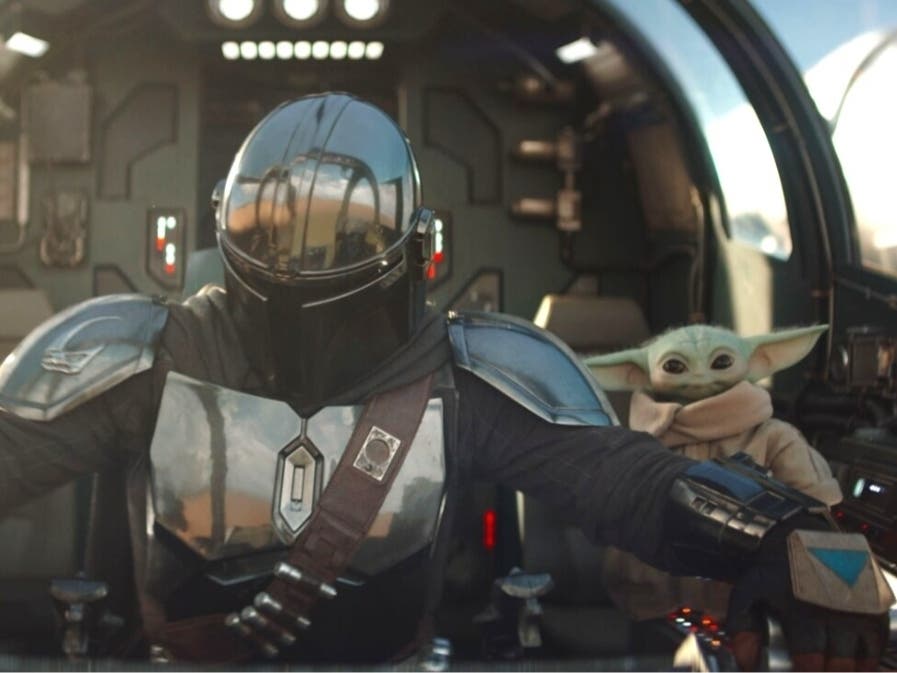
LOS ANGELES, CA — In the stillness before the assault, the battlefield erupts. Sirens blare. Troopers scramble. Blaster fire ricochets off steel. The Mandalorian Din Djarin (Pedro Pascal) breaches an Imperial remnant stronghold as his foundling Grogu watches with wide, unblinking eyes — the Force humming around him amid the chaos.
It’s a sharp, frenetically engaging start for Jon Favreau’s “The Mandalorian and Grogu” — a striking overture that quickly recedes, slipping into the Western‑sci‑fi grit that has always defined this corner of “Star Wars.” That sensibility carries through the rest of the film, leaning more into grounded frontier texture than the mythic sweep akin to the original trilogy.
Rather than recapturing that operatic grandeur, Favreau instinctively translates his Disney+ series, “The Mandalorian,” to a theatrical canvas — an unmistakable, more lived‑in strain of classic “Star Wars” nostalgia rooted in the franchise’s scrappier corners. The result is a modest but engaging big‑screen expansion, giving those familiar beats a welcome sense of scale in theaters while anchoring them in a story of small‑scale stakes and the duo’s quiet companionship.
Find out what's happening in Los Angelesfor free with the latest updates from Patch.
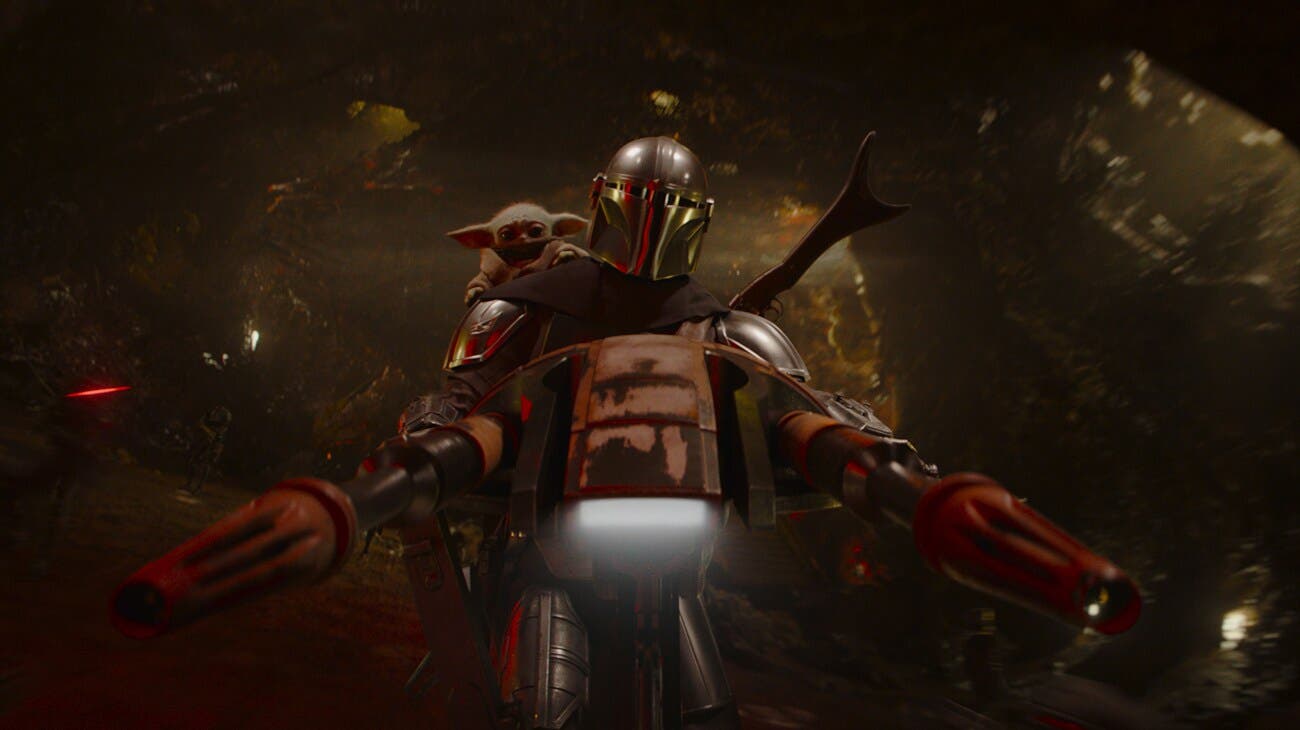
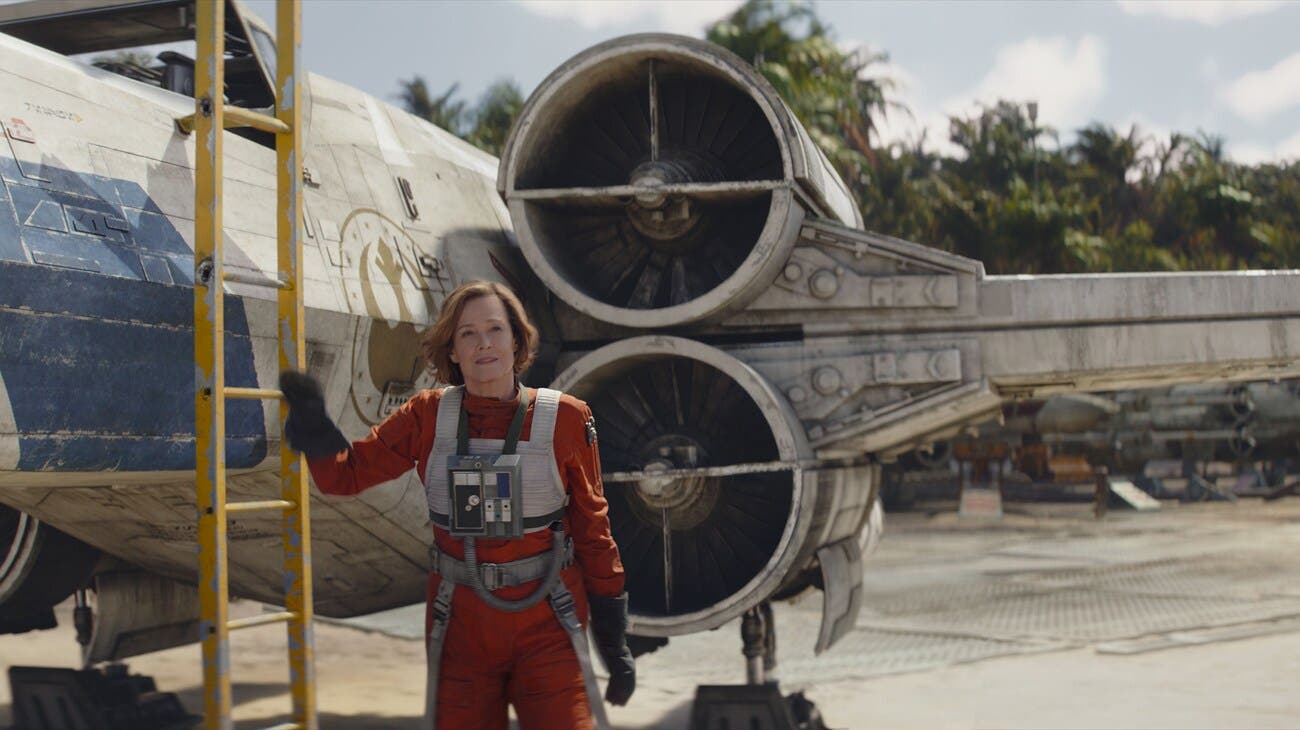
Set after the fall of the Empire in “Return of the Jedi,” Favreau’s new film finds Din and Grogu working for the New Republic. Their new mission? Colonel Ward (Sigourney Weaver) sends them to Nal Hutta — the Hutts’ swamp‑choked, grimy native world teeming with giant dragonsnakes, refurbished Separatist droids and other lurking fauna — to negotiate the release of Rotta, Jabba’s long‑missing son, who’s been taken captive.
Voiced by Jeremy Allen White, Rotta turns out to be less a crime‑lord heir than a surprisingly affable bruiser. Din is tasked with delivering Rotta back to his twin Hutt cousins, a handoff that will earn the New Republic a piece of intelligence it has been chasing.
Find out what's happening in Los Angelesfor free with the latest updates from Patch.
What begins as a modest rescue mission spirals into a frontier struggle, pulling Din and Grogu into a tangle of Hutt politics, droid armies and looming threats while deepening their quiet, father‑son bond.
Favreau keeps the emotional focus intimate, letting the duo's connection steady the film even as its plot widens. He brings the show’s Western‑inflected pacing and tone to the big screen, stretching its episodic cadence into the detours, the creature encounters, the pauses of quiet companionship — while keeping the storytelling deliberately restrained.
The director also gives familiar “Star Wars” machinery — from battered starfighters to looming AT‑AT walkers — a grounded heft that carries into the action, where the theatrical canvas gives each choreographic beat more air and texture.
The world‑building resonates with the “Mandalorian” aesthetic, steeped in mud‑and‑metal environments, clanking droids, rubbery alien physiologies and tactile creatures. The rhythms blend well with the film’s self‑contained screenplay, which sketches the unstable milieu clearly enough to orient newcomers without slowing the film’s pace through narrative exposition.
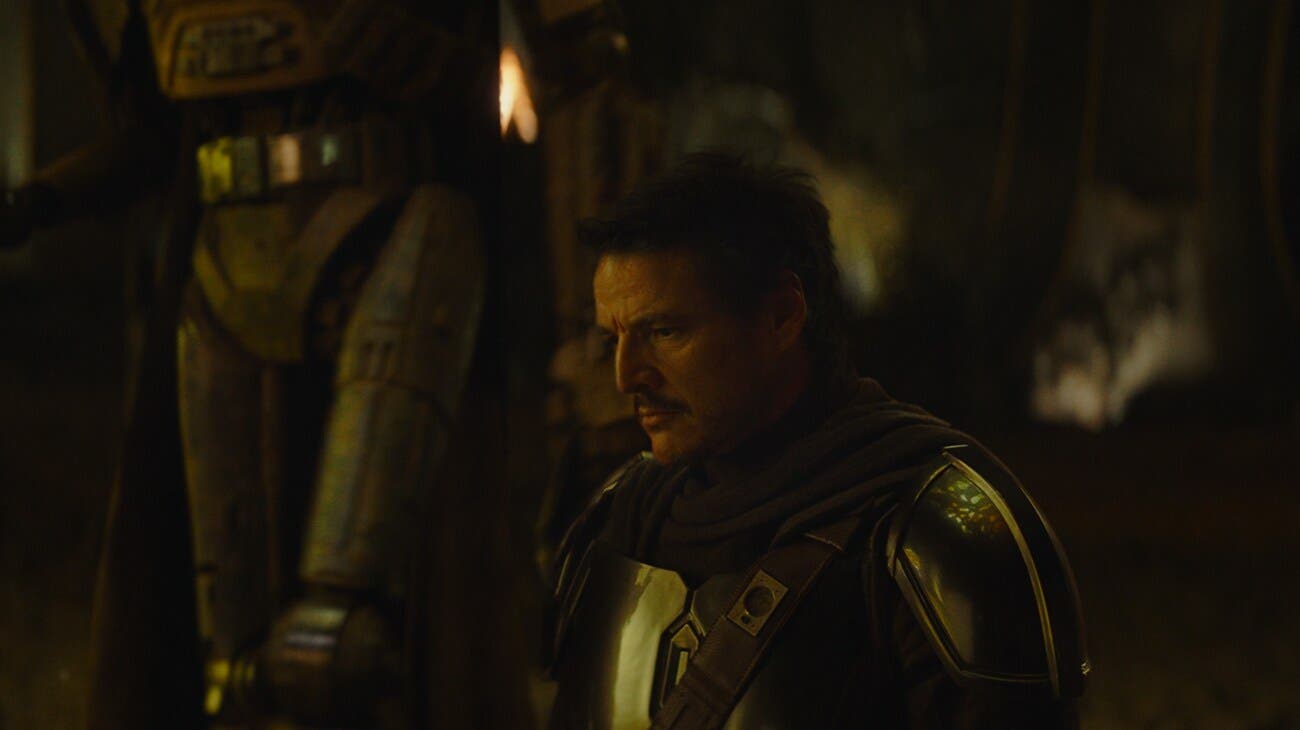
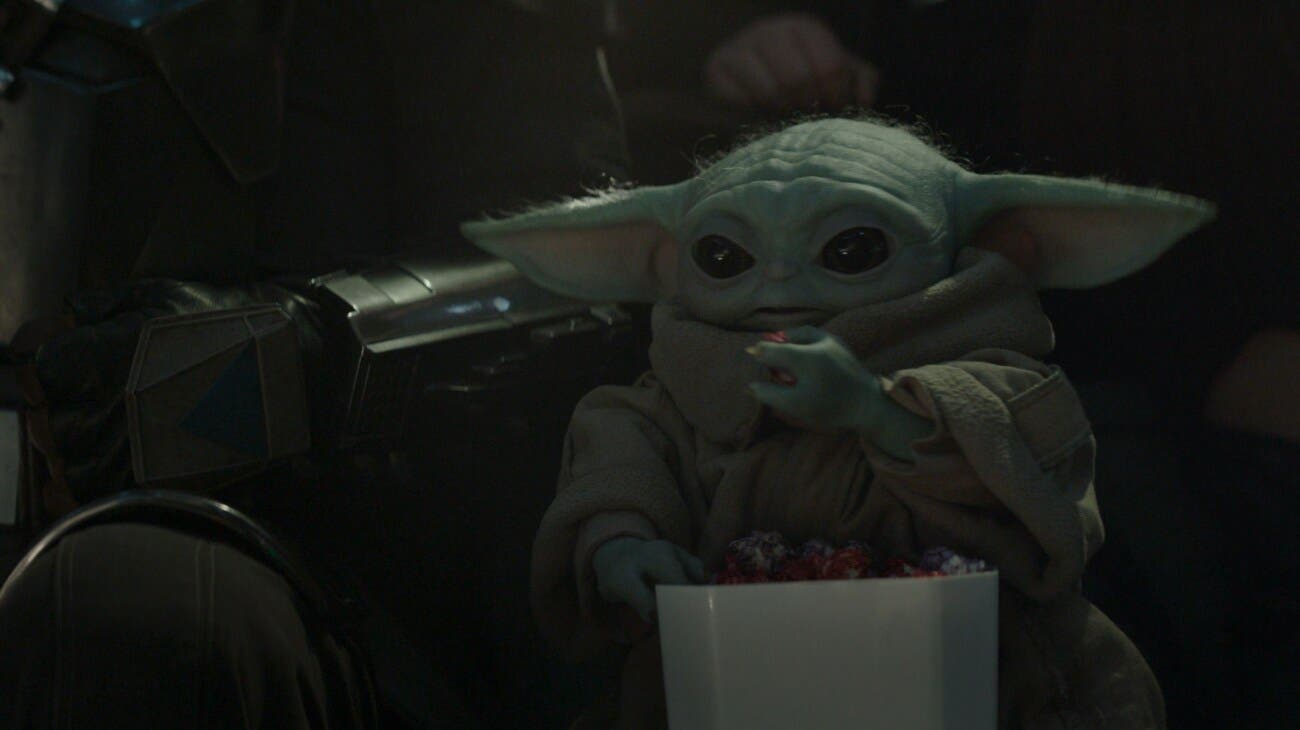
Pascal, who momentarily shows his face, brings his usual restrained physicality to Din — a performance built from stance, stillness and the subtle modulation of his voice rather than overt emotion. Every tilt of the beskar helmet carries intention, the weight of the armor shaping the way he moves through each frame. Grogu, meanwhile, remains the emotional anchor, his expressiveness gaining an almost theatrical presence when magnified on the big screen.
Around the leads, a terrific ensemble keeps the film grounded in its intimate, small‑scale register. Weaver brings flinty authority to Colonel Ward, while Allen gives Rotta a loose, unexpectedly buoyant energy that cuts through the film’s grit.
For all its pleasures, the film isn’t immune to the limits of its own design. Whereas the episodic pulse of small stakes works so well on television, it can feel a little slack on an IMAX screen, especially with a middle stretch that drifts rather than builds to a crescendo. Occasionally, the CGI appears murky, leaving a few action beats tenuously threaded.
Still, “The Mandalorian and Grogu” is never dull. The gravitational pull of its TV origins, which the film doesn’t always escape, remains its best asset. The familiar contours of the show remain exhilarating, further elevated by Pascal’s unbridled enthusiasm and Grogu’s irresistible presence.
In the end, the film’s modesty may frustrate anyone hoping for a franchise reset. But for viewers attuned to this corner of the galaxy, “The Mandalorian and Grogu” delivers a sturdy, engaging reminder of why the Mandalorian storyline has endured — not through Skywalker influence, but through the deftly‑crafted detail that defines its appeal.
Get more local news delivered straight to your inbox. Sign up for free Patch newsletters and alerts.