Politics & Government
Meet Eunisses Hernandez, Candidate For Los Angeles City Council District 1
Eunisses Hernandez told Patch why she should be reelected to the Los Angeles City Council. The primary election is on June 2, 2026.


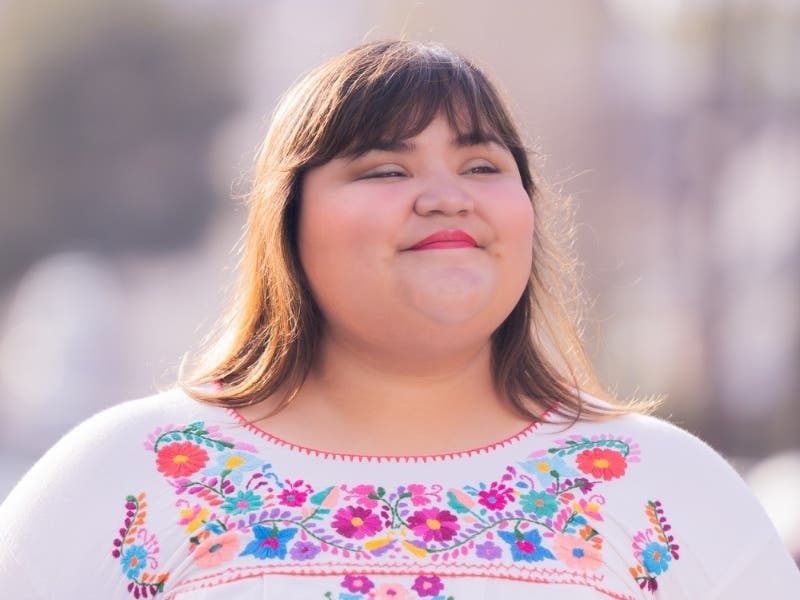
LOS ANGELES, CA — Eunisses Hernandez, 36, is vying to be reelected to the Los Angeles City Council, representing District 1.
In the June 2 primary, incumbent Hernandez will face four challengers: Maria Lou Calanche, Raul Claros, Nelson Grande and Sylvia Robledo.
Learn more about Hernandez's goals for Los Angeles:
Find out what's happening in Los Angelesfor free with the latest updates from Patch.
What is your educational background?
I was born and raised in Highland Park and attended LAUSD schools. I earned a bachelor of science in criminal justice from California State University, Long Beach. My education, combined with over a decade of experience as a community organizer and policy advocate, has shaped my approach to public service and my commitment to serving working families.
Find out what's happening in Los Angelesfor free with the latest updates from Patch.
What is your professional background?
Growing up in Highland Park as the daughter of immigrant parents, I witnessed the system's impacts on our neighborhoods. I spent over a decade as a community organizer and policy advocate working on criminal justice reform, housing, gender justice, and public health issues at the county and state level. I co-founded La Defensa, a femme-led organization committed to reducing incarceration, I co-chaired the Measure J campaign, and helped lead campaigns to invest in community-based services.
Have you ever held public office, whether appointive or elective?
I was first elected to the Los Angeles City Council representing District 1 and assumed office in December 2022. I am currently serving my first term.
Prior to being elected, I was appointed as a voting member of the Los Angeles County Alternatives to Incarceration (ATI) Work Group and served as co-chair of the Community-Based System of Care Ad Hoc Committee. In that role, I helped develop the comprehensive strategy to shift the county’s approach from incarceration to community-based care.
What are the top three issues facing Los Angeles right now?
1. City Services: Residents and businesses need a city that works. Basic services like fixing streetlights, repairing sidewalks, and keeping streets clean take far too long right. I’ve been focused on improving response times and investing in core services that Angelenos depend on.
2. Cost of Living: Affordability continues to impact working families and small businesses. As costs rise, more people are struggling to stay housed and keep their doors open. I’m fighting for solutions that stabilize communities and make it possible to live and work in Los Angeles.
3. Protecting Immigrant Communities: Los Angeles is a city of immigrants, and we have a responsibility to protect our communities from harmful federal policies. I co-authored our Sanctuary City law and have built out a community defense program and resources to protect families impacted by the federal administration’s attacks on our communities.
What is one specific policy you would advocate for or introduce as a City Council member in your first year?
One of my top priorities would be to continue strengthening how the city delivers basic services by advancing a multi-year budgeting and capital planning process. Right now, Los Angeles operates largely on a year-to-year budget, which makes it harder to plan ahead, complete infrastructure projects on time, and use resources efficiently. That’s one of the reasons residents wait years for things like sidewalk repairs or streetlight fixes.
By moving toward multi-year budgeting and better capital project planning, we can anticipate costs, reduce delays, and deliver projects more efficiently. It also allows us to prioritize preventative maintenance, which helps reduce long-term costs and avoid liabilities, like expensive settlements for unsafe sidewalks that were never repaired.
This is about making City Hall more accountable and functional. Residents and businesses deserve a government that plans ahead, follows through, and delivers results. Strengthening how we budget and plan is one of the most impactful ways we can improve services across every neighborhood in Los Angeles.
What specific actions should the City Council take to address homelessness, and how would you evaluate whether those efforts are working?
Since taking office, I’ve focused on both reducing homelessness and preventing its root causes. That starts with keeping people housed. I’ve invested in proactive outreach, provided rental assistance to at-risk tenants, and passed stronger tenant protections. In Council District 1, evictions have dropped 10% over the last three years compared to 4% citywide. I also led efforts to update the rent cap for rent-stabilized units for the first time in 40 years, capping annual rent increases at 4% and strengthening protections against tenant harassment.
In CD1, we’ve helped move over 5,300 people into interim housing, placed more than 1,700 into permanent housing, opened more than 300 supportive beds, and secured $6 million to address encampments along the 110 freeway. We’ve also expanded outreach, street medicine, and unarmed crisis response to better connect people to care.
We should measure success by real outcomes: fewer people falling into homelessness, and more people coming off the streets and getting connected to the housing and services they need to thrive. That’s how my team and I approach this issue, and it’s the standard we will continue to hold ourselves and the city of Los Angeles to as we work to end the homelessness crisis.
What is one specific change you would support through the City Council to improve public safety in your district or citywide?
Right now, Los Angeles spends nearly half of its General Fund on LAPD, yet many residents still do not feel safe. I believe public safety means making sure people feel safe in their neighborhoods and that the city is responding effectively to their needs. That requires a broader approach that includes a fully resourced fire department, clean neighborhoods, violence prevention programs, and reliable infrastructure.
As chair of Public Works and a member of the Budget and Finance Committee, I’ve worked to invest in long-neglected departments, expand graffiti removal, and improve infrastructure like street lighting. In CD1, we’ve replaced vulnerable copper wiring with solar-powered streetlights to prevent outages and improve visibility, because well-lit streets are directly tied to safety and quality of life. I’ve also supported gang prevention efforts and launched a districtwide Peace Ambassador program.
One of the most important changes I’ve led is making the Unarmed Model of Crisis Response (UMCR) permanent. UMCR sends trained professionals to non-violent calls like mental health crises, ensuring people get the right help when they need it. Since its launch, the program has handled over 18,000 calls, with 96% resolved without LAPD backup.
How should the City Council balance housing development, neighborhood concerns, and state housing mandates in Los Angeles?
Los Angeles has to do its part to address the housing crisis, and that means building more housing, especially near jobs, transit, and major corridors. At the same time, we need to be thoughtful about how we grow and ensure that development does not come at the expense of the communities that already live here. Balancing these priorities starts with recognizing that every part of the city must contribute. For too long, growth has been concentrated in a few neighborhoods, while others have avoided building new housing. We need a more equitable approach that distributes housing opportunities across all districts.
We also have to pair new development with strong tenant protections and anti-displacement strategies. We need to ensure that new housing includes deeply affordable units and that existing residents are protected. State mandates set the floor for what we must do, but local leadership determines how we implement those requirements. My approach is to meet those obligations while prioritizing equity, community stability, and long-term affordability.
Why are you a better choice than your opponents?
I’m running for reelection because I’ve delivered real results and built a track record of showing up for this community. I was born and raised in this district, and I understand firsthand the challenges our neighborhoods face. That perspective has shaped how I lead.
Long before I ran for office, I worked with community organizations to bring services and resources to MacArthur Park. I worked at Drug Policy Alliance and JustLeadershipUSA, and co-founded La Defensa, where I helped lead justice reform campaigns and build coalitions across communities. Those experiences taught me how to listen to residents and turn community needs into policy.
As a councilmember, I continue that approach by partnering with neighborhood councils, tenant groups, small businesses, and community organizations to deliver services and improve quality of life — from tenant protections and food distribution to cleanups and public safety programs.
What sets me apart is accountability. This is a grassroots campaign that does not take money from special interests, and that independence is reflected in how I govern.
Get more local news delivered straight to your inbox. Sign up for free Patch newsletters and alerts.