Restaurants & Bars
Mold Allegations Spark Backlash Against Sqirl's Unsafe Conditions
An image of green mold on top of a bucket of jam sparked outrage and allegations of unsafe food practices at jam giant Sqirl.


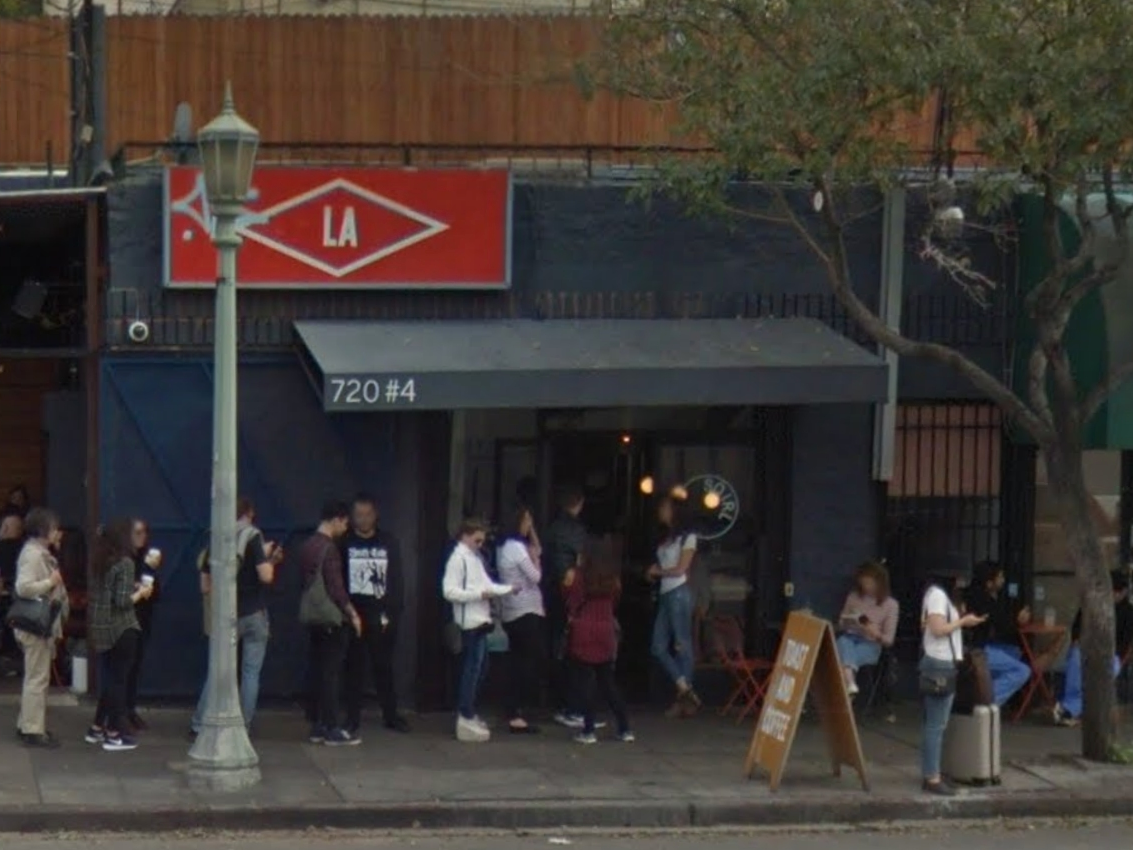
LOS ANGELES, CA – An image of green mold on top of a bucket of jam sparked outrage over the weekend as allegations of unsafe food practices at Virgil Village's famous Sqirl restaurant came to light on social media.
Sqirl owner Jessica Koslow responded to the allegations on the company's Instagram stories on Sunday, saying, "At Sqirl, jam is how we started, it's what we're most known for and what we sell the most of. For us, jam was never really just a thing on toast; it's a way to support the best farmers, shine a light on the best product, and practice a craft that I love and felt called to do."
The allegations first starting surfacing on Instagram on Saturday, when user Joe Rosenthal, who identifies himself on his website as a mathematician in the Twin Cities who develops artificial intelligence systems for improving cancer diagnostics and cooks American comfort food with his wife. Through images and conversations posted to his Instagram story, Rosenthal appeared to have spoken with Sqirl employees who said mold would be scraped off of the top of jam before it was sold.
Find out what's happening in Los Angelesfor free with the latest updates from Patch.
On Sunday, a Twitter user shared an image of what appeared to be jam in a bucket with green mold on top.
An employee from sqirl shared this photo of the moldy jam from their kitchen. The fact that were told to just scrape the mold off is pic.twitter.com/uPCsevWoBi
— h (@hanaymoi) July 12, 2020
According to Sqirl's statement on Instagram, the company does not use "commercial pectin, sweeteners, or other stabilizers, and to highlight the fruit, we add a little sugar."
Find out what's happening in Los Angelesfor free with the latest updates from Patch.
The company said it uses half the amount of sugar found in jam purchased from grocery stores. According to Koslow, low sugar jam is more susceptible to mold.
Sqirl said all of its jam production is done off-site at their catering kitchen as of January 2020.
"In the past, jam was always made on site at Sqirl – always legally and always labeled accordingly," Koslow said on Instagram.
The company also described its jam packaging procedure on Instagram. Sqirl produces about 35,000 8-oz retail jars of jam annually that are hot-packed in an oven. These have a shelf-life of up to two years and lasts up to a year once opened if stored in the refrigerator, the company said.
On the other hand bulk jam is poured into containers when it is hot and then it is cooled completely before being stored in walk-in refrigerators, according to Sqirl.
"With this bulk jam, over time, mold would sometimes develop on the surface that we handled with the guidance of preservation mentors and experts like Dr. Patrick Hickey, by discarding mold and several inches below the mold, or by discarding containers altogether," Koslow said in the statement on Instagram.
The company responded directly to the recent concerns, saying it is getting rid of its current storage process and switching to hot-packing bulk jam.
"In deference to concerns about jam and mold specifically, we're doing even more to better store our bulk jams," the company said on Instagram. "Sqirl is ever-evolving, and now more than ever before. We are committed to continuously improving into a better and safer restaurant."
Sunday afternoon, Diaspora Co announced on Instagram that it would be pulling its collaboration with Sqirl from its shelves. The company said it had confirmed the jars of jam had been made in a "separate and updated production facility" and were safe to eat, but also offered customers a refund.
Citing conversations with Sqirl employees, the mold allegations and "difficult convos with Sqirl leadership," the company said the collaboration was a mistake.
"We went into this collaboration because the opportunity to spotlight BIPOC farmers who grew the rhubarb and the cardamom in jam form by a famous jam company like Sqirl felt very exciting, and a way to honor these special crops," the company said in the statement. "But as it was rightly pointed out, the collab gave Sqirl another trendy marketing boost that was in direct opposition to what its own workers are fighting for: BIPOC equity and ownership (of recipes and more) at Sqirl, and in protest of unsafe working conditions."
Get more local news delivered straight to your inbox. Sign up for free Patch newsletters and alerts.