Arts & Entertainment
'Pressure' Review: Andrew Scott And Brendan Fraser Shine In D-Day Thriller About Unsung Heroes
Anthony Maras turns the countdown to D‑Day into a tense clash of forecasts and conviction as overlooked figures shape the mission.


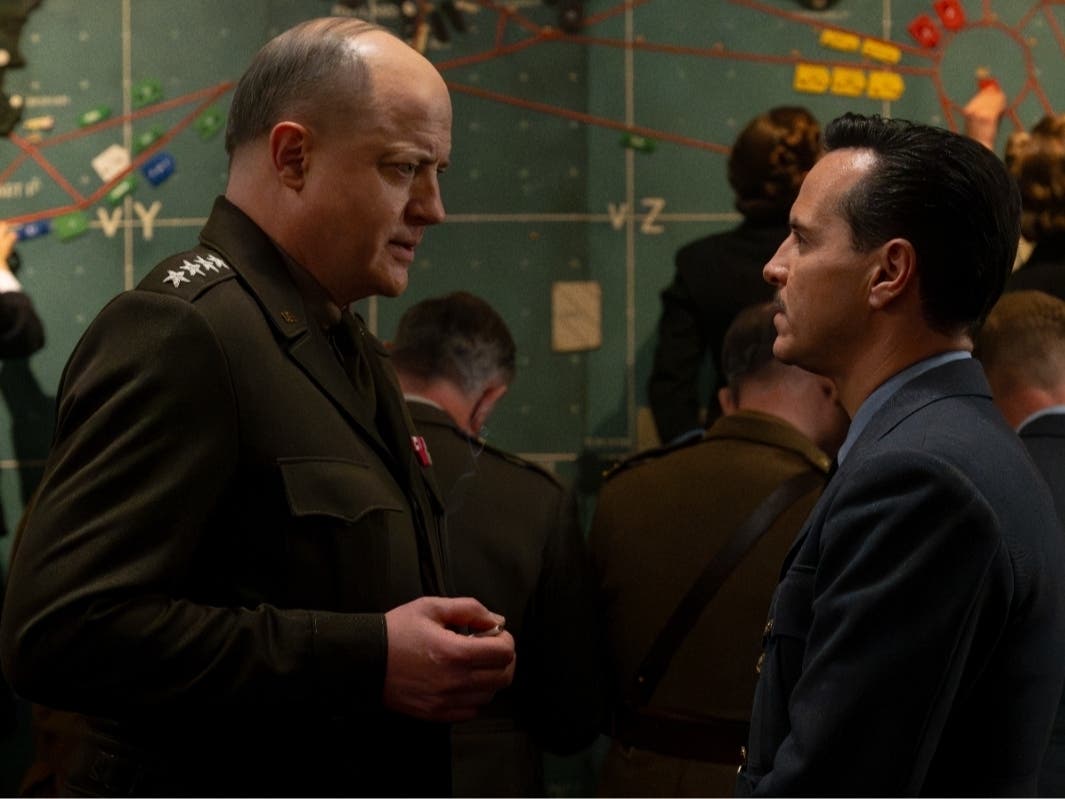
LOS ANGELES, CA — Not only does the gravity of World War II mount "Pressure" in Anthony Maras' war film, but so does the volatile weather system forming over Europe in the 72 hours before the Allied invasion of Normandy. At the center of that convergence is the weather officer who challenges the era's meteorological orthodoxy with a groundbreaking empirical system.
Andrew Scott plays that officer, real-life Capt. James Stagg, a Scottish meteorologist reporting directly to Gen. Dwight D. Eisenhower. His task? Delivering the most consequential forecast of the war — determining the precise moment to launch the seaborne attack along the French coast, a decision that could turn the tide.
Maras, whose last feature was the harrowing 2018 thriller "Hotel Mumbai," again demonstrates an instinct for shaping confined settings into taut chamber pieces. His new film, adapted from David Haig's 2014 play in London's West End, carries that sensibility, eschewing battlefield spectacle and opting instead for a war-room drama where Stagg and Eisenhower collide over military instinct, atmospheric uncertainty and the weight of historical precedent. The result is a ticking-clock, mission-driven thriller built on sustained tension.
Find out what's happening in Los Angelesfor free with the latest updates from Patch.
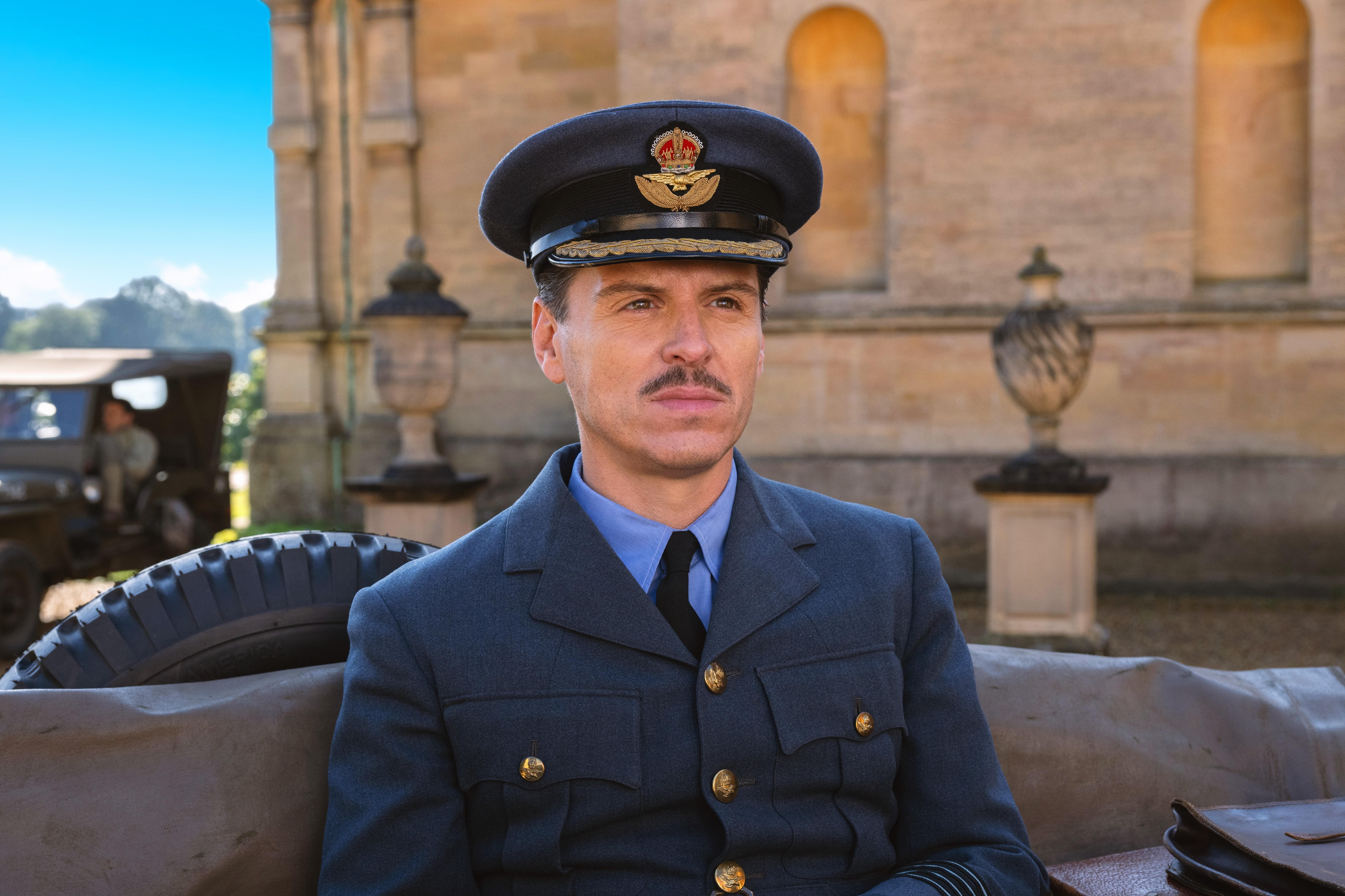
The story opens with Stagg arriving at Allied Headquarters in Southwick House, the 19th-century manor serving as the nerve center of the invasion. Newly appointed to lead the forecasting team, he shoulders burdens on both the home front and the military frontlines: the success of the operation and the anxiety of leaving his pregnant wife Liz (Tamsin Topolski), who is on the cusp of giving birth.
Stagg is immediately wary of the setup, now overseen by American meteorologist Irving Krick (Chris Messina), Eisenhower's most-trusted forecaster. Krick relies on decades-old weather analogs — patterns Stagg dismisses as relics in the face of two storms pushing toward the Atlantic. He counters with a data-driven read, warning Eisenhower that anything beyond 24 hours teeters on conjecture. The friction is instant, pulling Stagg into a sharp clash with a rigid old guard.
Find out what's happening in Los Angelesfor free with the latest updates from Patch.
The invasion date? Eisenhower and his top commanders, including the volatile Field Marshal Bernard "Monty" Montgomery (Damian Lewis), have locked in Monday, June 5, 1944, a decision bolstered by Krick's confidence. But Stagg sees only disaster ahead. He warns that the day will bring rain, wind and a strong likelihood of failure — a forecast that shakes Eisenhower's confidence when he needs absolute precision most.
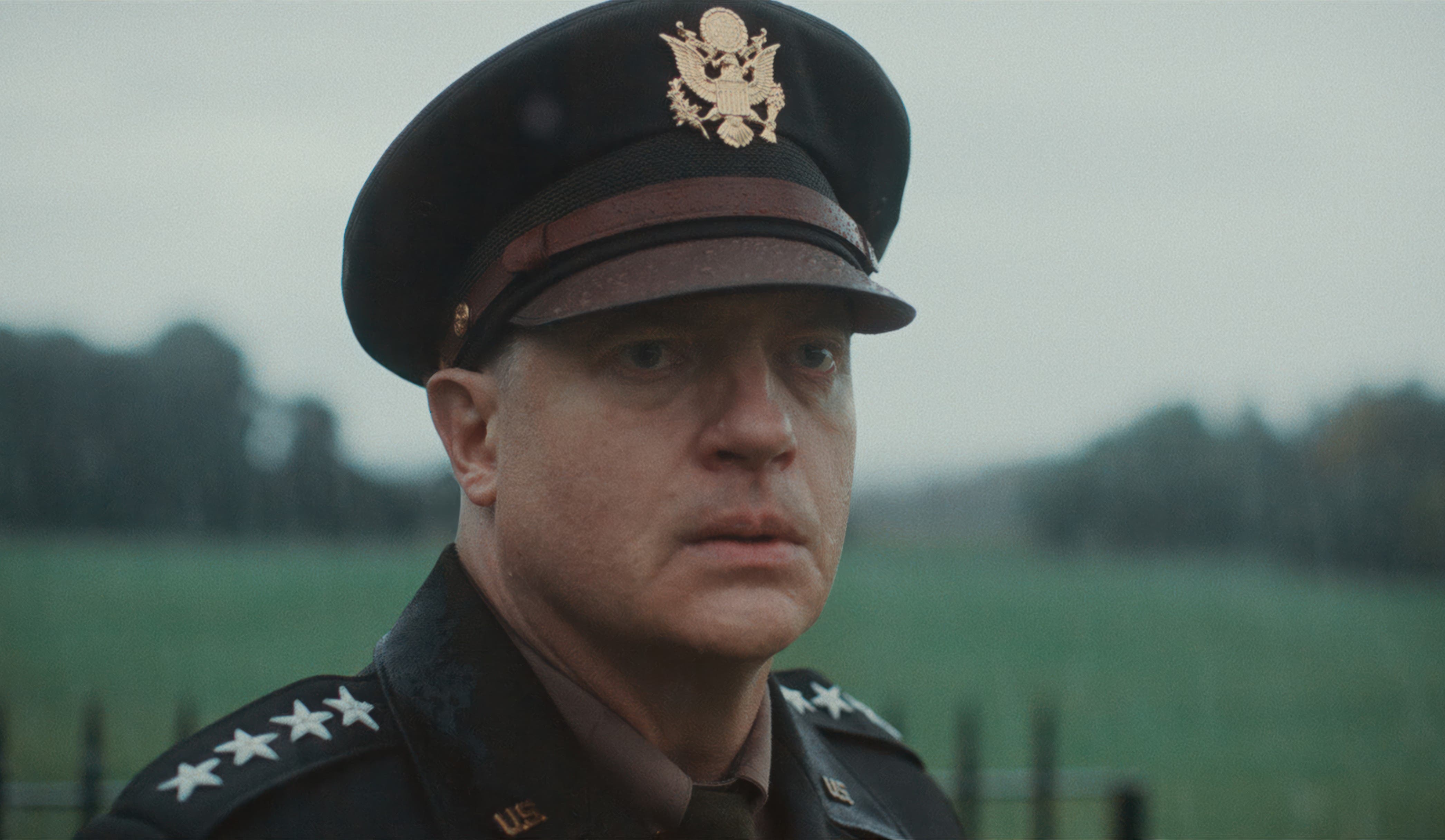
What follows is a battle of wills and conviction — a collision of instinct and expertise against the vagaries of nature itself, all under extreme pressure as millions of lives hang in the balance. Ultimately, everything hinges on a single decision: go or don't go.
Scott portrays Stagg with smoldering intensity. His stillness becomes an expression of resolve, a quiet counterpoint to the military bluster around him. Equally compelling is Fraser's Eisenhower — every glance, every word, every silence carving a man carrying the enormity of command. Their scenes together — Eisenhower declaring a D-Day, Stagg parsing the impossible — are the film's most electric, a duel of responsibility rather than ego.
The rest of the ensemble performs with verve. Messina's Krick bristles with confident absolutism, Lewis gives Montgomery a clipped volatility, and Kerry Condon, as Ike's devoted aide Kay Summersby, offers the lone note of calm, a fragile countercurrent that only underscores the room's simmering machismo. Each actor keeps the film grounded at its most fragile.
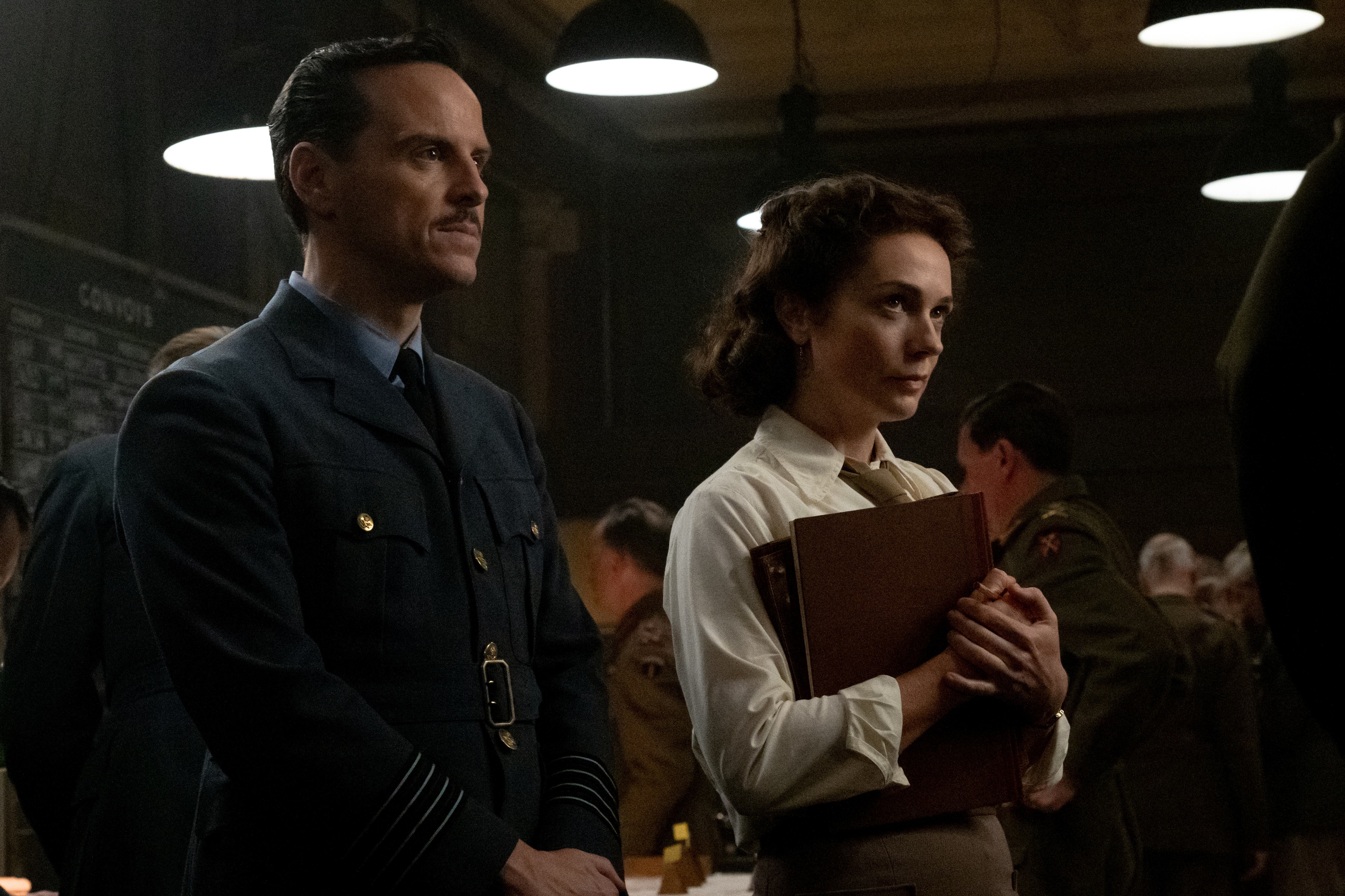
Maras directs with a sense of tightening inevitability, the film's 72-hour countdown becoming its own crucible of escalating tension. Cinematographer Jamie D. Ramsay leans into the claustrophobia — dimly lit war rooms, narrow corridors, and the hum of an approaching storm. The weather becomes the film's unseen antagonist, shaped through sound design and Volker Bertelmann's score, which pulses like a barometer about to burst.
For all its precision, "Pressure" isn't immune to the constraints of its stage origins. The reliance on briefing rooms and map tables sometimes flattens the visual palette, and the dense meteorological exchanges — however authentic — can momentarily slow the momentum. Ultimately, the depiction of D-Day in the closing stretch feels more conceptual than visceral, a reminder of the film's stage-bound limitations.
Still, "Pressure" remains a riveting and compelling story about the unsung heroes of D-Day, whose resolve changed the course of history.
In the end, the film is a portrait of a moment when the fate of the free world rested on one man's conviction and the mounting pressure to wrestle with the shifting whims of nature, buoyed by the leads' magnificent performances.
Get more local news delivered straight to your inbox. Sign up for free Patch newsletters and alerts.