Neighbor News
Preventing Structural Damage
How water damage can lead to structural issues like rot, mold, and foundation problems

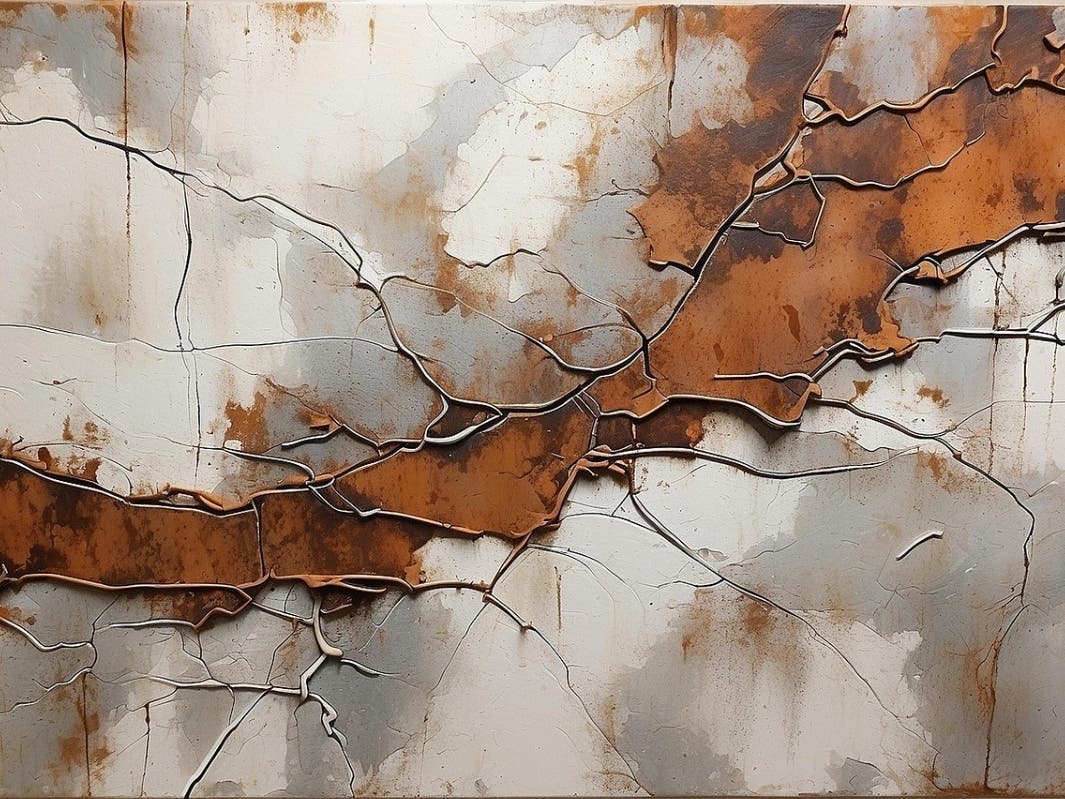
Water is an essential resource for the survival of all living beings, but this indispensable asset can cause havoc and structural damage if left unaddressed. Water damage problems are not minor issues and can take a serious turn with long-lasting consequences. If water creeps into different areas of your property, it can be a destructive force that can weaken the very foundation of your concrete structure. Expensive repairs and major health problems can become a part and parcel of your daily life.
Water damage is a nightmare that can cause utter chaos and damage to furniture and expensive appliances. These are visible damages that can be tackled immediately. But some damages are hidden from the naked eye that silently creep into your homes and prove to be a big threat in the long run.
How Water Damage Compromises Structural Integrity
Deterioration of Building Materials
Continuous seepage of water through tiny cracks can hamper a building’s structural integrity. It can weaken drywall, wood, etc., and over time, lead to sagging and warping of construction materials. A simple hairline crack can turn into more evident crevices within months. Cracks on ceilings are not just aesthetically unappealing, but can be a signal from above about a potential accident.
Find out what's happening in Los Angelesfor free with the latest updates from Patch.
Damage to Foundation
Seepage of excessive moisture can cause cracks to increase. This also causes soil movement and shifts in the building’s foundation, thereby putting the whole structure at risk. Damages increase, and so do expensive repairs. Compromising structural integrity can also cause serious hazards to residents living there.
Rotting of Structures
Water trapped inside walls and floors is the best breeding environment for rot and decay. It slowly affects the load-bearing structures and jeopardizes the whole structural stability.
Find out what's happening in Los Angelesfor free with the latest updates from Patch.
Electrical Hazard
When wires and other electrical components come in contact with water, it can pose serious safety concerns. Accidents such as short circuits are common, and such incidents have also led to electrical fires inside homes or offices.
Mold Growth - The Most Common & Dangerous Consequence
Mold and fungi thrive best in the presence of moisture, and homes with mold can quickly escalate into a major, unhealthy living space. According to various studies, mold poses serious health risks, leading to respiratory infections like asthma and other allergic reactions. It can also cause wood and other components to rot and weaken, and it is best not to let it linger. This seriously affects the structural integrity of a building. Mold remediation can be quite costly and complicated, requiring qualified professionals to do the job. Which is why it’s advisable to seek immediate professional help upon seeing the first signs of mold growth.
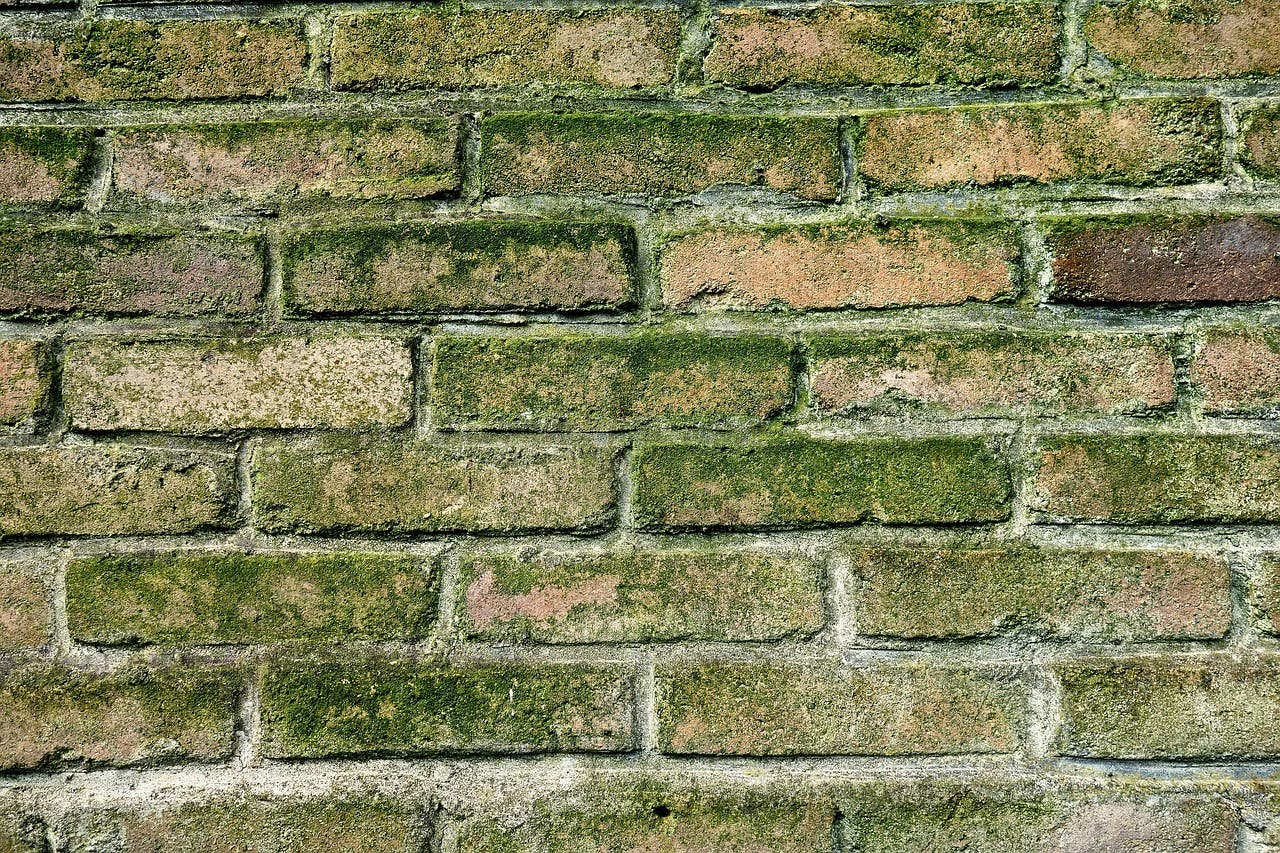
Image by: https://pixabay.com/photos/wall-brick-wall-moldy-wall-3059491/
Some of the Most Common Reasons for Water Damage & How to Address Them
Plumbing Problems
Plumbing faults can include faulty faucets, broken pipes, or showers. Water can also overflow from leaky sinks and bathtubs, and lead to water damage. Several multi-storey buildings, hotels, hospitals, and other hospitality centres with stacked plumbing frequently face such issues. It is a major reason for water loss and interior water damage. A small crack can leak gallons of water in a day and slowly damage walls and ceilings. Symptoms may seem very subtle at first, but develop into a major crisis within weeks. Regular inspections and prompt repairs can prevent such problems from escalating.
Clogged Gutters And Drains
Kitchen and bathroom drains usually get clogged due to hair, dirt, or grease. Sometimes, kids throw toys and other foreign objects that further obstruct these pipes. Improper handling of these issues can cause clogged drains to flood the floors and walls of your kitchen and bathroom. Similarly, your home’s gutter system often gets blocked by leaves or branches, which prevent rainwater from flowing out of the house. The accumulated rainwater runs down the sides of your home, causing water damage to the ceiling and walls.
Leaking Roofs
Leaking roofs are a common problem with homeowners and business owners alike. If you are living in an area with extreme weather conditions, like heavy rain or snow, the risk of roof water leaks increases significantly. Flat roofs, in particular, have drains explicitly to remove excess water. Therefore, these drains ought to be examined and cleaned annually. Build-up of debris and sludge can result in water pooling, which can further lead to roof leaks. Apart from drains, it is also advisable to check the roof deck and membranes at regular intervals. Similarly, routine inspection of the shingles for sloped roofs is a necessity.
HVAC Leakage
HVAC systems, mainly air conditioning units, have a lot of water leak sources. Clogged drains, condensate pumps that malfunction, or frozen evaporator coils need continuous cleaning of dirt. If not done routinely, the AC water will drip onto the floor and damage it.
Thanks to technological advancements, smart water leak detection sensors are now available on these HVAC units that give early warning signs. While purchasing HVAC units, it's better to buy one that has these sensors installed so that you get early warning signs of coils freezing or ducts and pipes becoming extremely hot.
Basement Flooding
A flooded basement can destroy your valuable electronic items and furniture, not to mention your property itself. But even after the water is pumped out, moisture remains, leading to inevitable structural damage. It is crucial to hire professionals to tackle this water damage is a necessity; otherwise, you can risk serious foundation problems like cracks and corrosion. Inadequately sealed foundation and poor drainage are all major reasons for rainwater to seep into your basement and cause flooding.
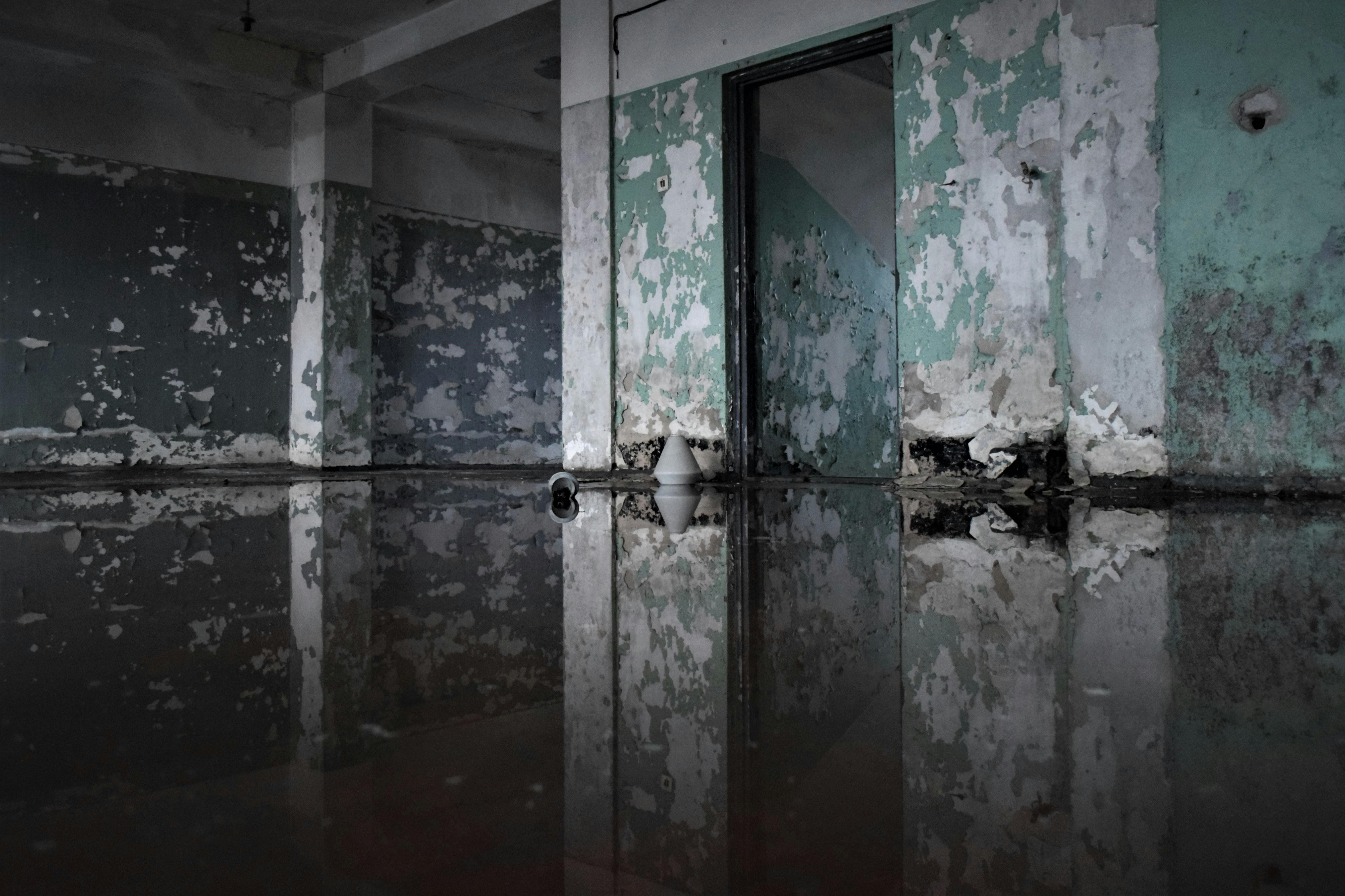
Image by: https://www.pexels.com/photo/f...
The Importance of Proactive Steps for Structural Stability
Periodical Assessments
Keep an eye out for the slightest signs of dampness, musty odors, water stains, or bulging walls. These may be a matter of concern and can indicate bigger issues. Places like basements, attics, and bathrooms are more susceptible to such problems, and regular checking can help prevent them.
Timely Repair
If you notice any plumbing leaks or leaking roofs, take immediate action without delay. The same goes for your HVAC system - if it shows signs of leakage, prompt repairs are required to prevent the problem from aggravating.
Professional Restoration
If you suspect any water damage, don’t hesitate to reach out to a water damage emergency service from a reputable restoration company. They have the latest equipment, and their technicians are well-versed with the latest technological know-how. They can assess the extent of damage and help restore your home to its original state.
Adequate Ventilation
High-moisture areas like bathrooms, kitchens, and laundry rooms require proper ventilation at all times. Therefore, ensure these places are airy with big windows and exhaust fans. This will encourage airflow and decrease humidity levels.
Leak Detection & Regular Evaluation
Using the latest leak detection technology with smart meters is a great way to avoid water damage problems well in advance. Additionally, you can book regular evaluation appointments with a professional water damage restoration company. If your area is prone to flooding, then raising the foundation can prevent water damage to a large extent.