Neighbor News
The Royalty Revolution: How One AI Platform Is Rewriting Music's Economic Rules
Meet the AI music platform that's finally paying artists what they deserve.
While AI music giants Suno and Udio face a combined $3 billion in lawsuits for allegedly using copyrighted music without permission, a new platform is taking a radically different approach: actually paying the artists whose work powers their technology.
The timing couldn't be more critical. As the music industry watches these landmark cases unfold, one question echoes through boardrooms and recording studios alike: Can AI music exist without exploiting the very artists it depends on?
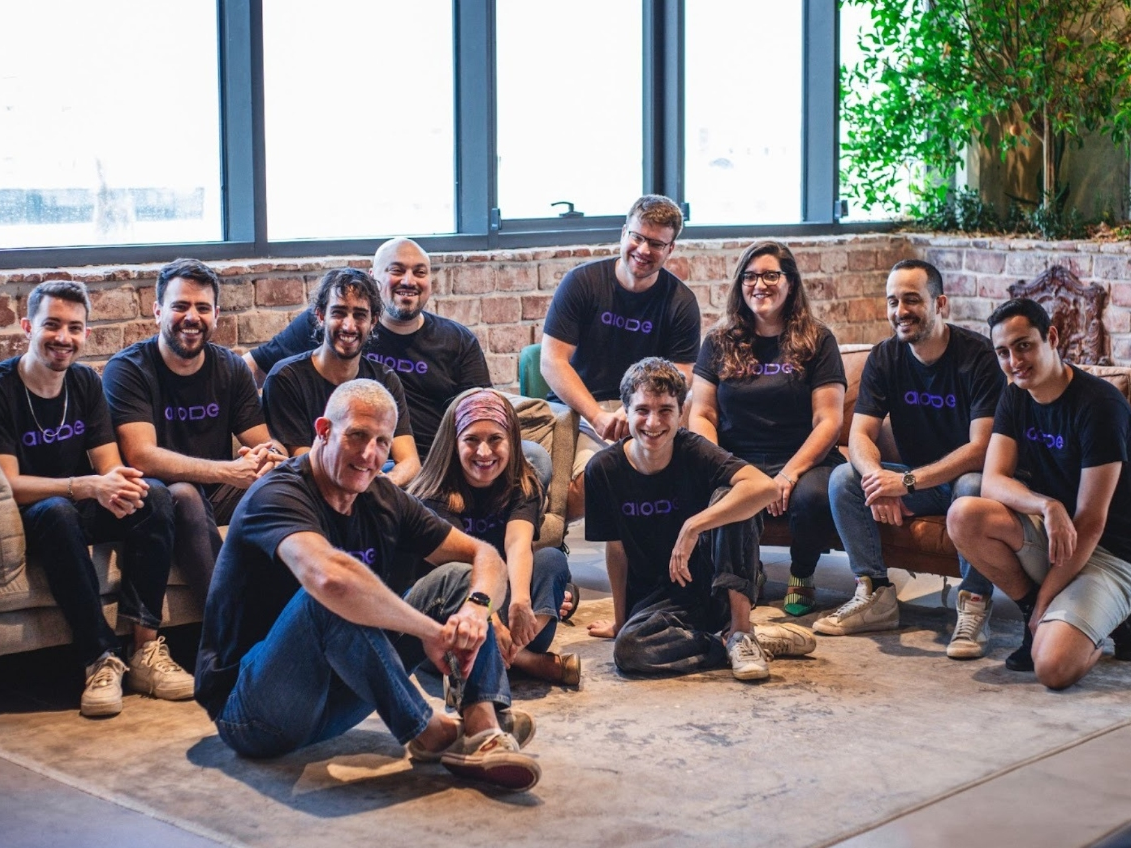
Aiode, launched this month after emerging from closed beta, claims to be the first AI music platform built from the ground up with artist compensation as its core feature.
In an industry where AI companies have operated on the principle of "take everything, ask forgiveness later," the startup says it's taking a different approach - one that's attracted partnerships with institutions like Abbey Road REDD.
"We built Aiode for the way music is truly created," said Idan Dobrecki, co-founder and CEO of Aiode. "Creators don't need gimmicks or shortcuts - they need tools that respect their intent, keep them in control, and help them move faster."
Find out what's happening in Los Angelesfor free with the latest updates from Patch.
The Aiode System That Makes Sure Artists Get Paid
While competitors scramble to defend their training practices in court, Aiode has built actual infrastructure to track, attribute, and compensate the artists whose music influences their AI-generated content.
The platform works by collaborating directly with musicians to create detailed virtual versions of their performance styles. Each time a virtual musician is used in generated content, the real musician receives payment, creating what Aiode calls "a new revenue stream for artists worldwide."
The payment structure mirrors traditional music royalties but adapts to AI's unique characteristics. When Aiode's system generates a track that draws recognizable elements from specific artists' work, those artists receive proportional compensation based on their influence on the final output.
Find out what's happening in Los Angelesfor free with the latest updates from Patch.
Abbey Road Teams Up to Build Trust in AI Music
Aiode's approach has already earned backing from one of music's most prestigious institutions. Abbey Road Studios, legendary home to The Beatles and countless other iconic recordings, has partnered with the platform as a supporter and incubator.
Abbey Road Studios has partnered with Aiode through its REDD program, with producers exploring how the technology could support professional workflows during the platform's closed beta phase.
Early beta participants, including professional artists and producers, highlighted the platform's ability to regenerate or refine specific sections of music with precision, which is similar to a studio punch-in, while maintaining creative flow.
Setting the Standard for Ethical AI
Aiode's model extends far beyond music. As AI systems increasingly power creative industries, the platform is establishing a blueprint for how artificial intelligence can enhance human creativity without exploiting it.
The platform is backed by significant funding, with a recent seed extension led by Horizon Capital and participation from Rega Ventures, Atooro Fund, and new strategic investor Mindset. Aiode was also recognized in TheMarker's 2025 list of most innovative startups.
Industry observers see the model as a test case for whether AI companies can build sustainable businesses while compensating creators. The approach contrasts with current industry practices, where AI companies typically argue that fair use protects their training methods.
The Future of AI Creativity Is Collaborative
Aiode launches globally this month, following the completion of its closed beta program with professional artists, producers, and music educators. The company positions itself as "the ethical alternative in AI music" at a time when competitors face mounting legal challenges.
Whether Aiode's compensation model proves commercially viable long-term remains to be seen. But for an industry grappling with billion-dollar lawsuits over AI training practices, the platform offers a concrete alternative: collaborating with artists upfront rather than fighting them in court.