Weather
SoCal Braces For Stormy Holiday Week That Could Impact Travel
Incoming storms were expected to douse the Southland through the holiday weekend, potentially creating travel troubles for Californians.


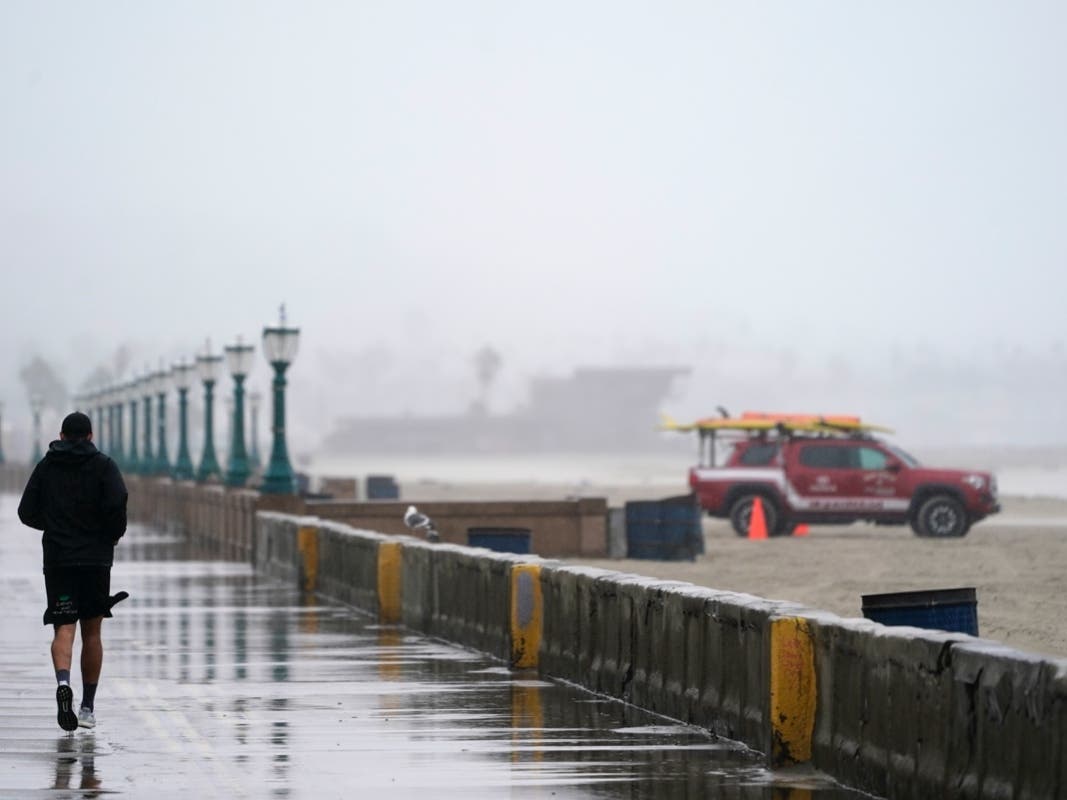
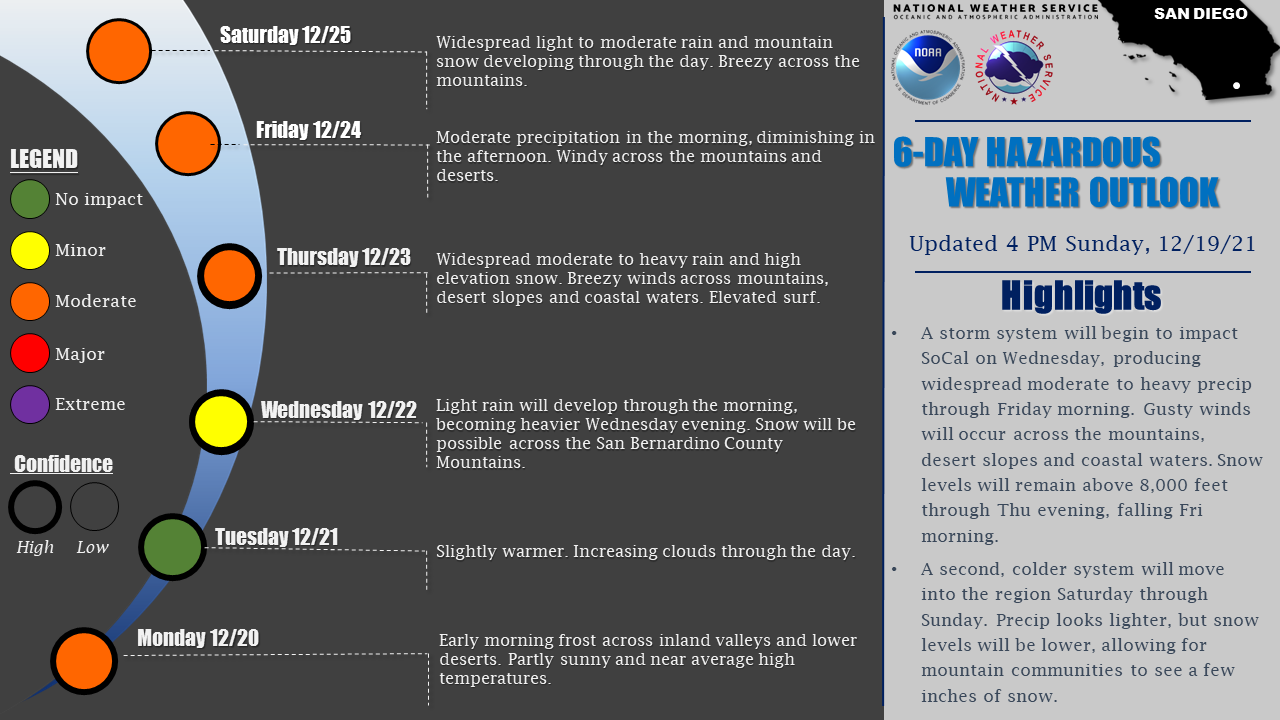
LOS ANGELES, CA — Bundle up Southlanders — cold and wet weather was forecast to arrive with two storm systems starting Wednesday, which could create treacherous conditions for travelers planning to hit the road this holiday week.
The storms could snarl traffic and raise the threat of mudslides in areas scarred by wildfires, forecasters warned.
Beginning Wednesday, the first storm was expected to coat mountaintops in snow, dump 1 to 3 inches of rain in the coastal and valley areas and soak the foothills and mountains with 3 to 5 inches of rain, the National Weather Service announced over the weekend.
Find out what's happening in Los Angelesfor free with the latest updates from Patch.
Gusts of up to 30 to 50 mph were also expected to jostle the region, along with plummeting temperatures.
"Don't forget to grab your coat, beanie, scarf, and maybe gloves before heading out the door! Lots of temperatures in the 30s away from the coast brrrr!" weather service officials in Los Angeles tweeted Monday.
Find out what's happening in Los Angelesfor free with the latest updates from Patch.
Here are the latest forecast rainfall totals through Friday for Southwest California. Snow levels will be above 7000 feet through Thursday, but will lower 4000-5000 feet Friday with possible impact to major mtn passes - stay tuned! #SoCal #CAwx #CAstorm pic.twitter.com/7DLU1EGbaF
— NWS Los Angeles (@NWSLosAngeles) December 19, 2021
The first storm system was expected to bring rainfall Wednesday through Friday, peaking on Thursday.
Authorities were bracing for "moderate to brief heavy rain," which could trigger flooding and minor debris flows in area of the Southland that have been scarred by wildfires. The rain and lowering snow levels could impact travel as Californians hit the road to reach their holiday destinations.
The showery weather system was expected to linger into the weekend just as a second storm was expected to arrive to bring light rain and chilling temperatures to the Southland between Christmas Day and Sunday.
News of the incoming wet weather comes after storms earlier this month shattered rain records across California. In Los Angeles, 2.16 inches fell, breaking a 133-year-old rainfall record. In Sacramento, 2.51 inches of rain fell, breaking a 1.19 inch record set in 2002.
Powerful storms charged through the Golden State on Dec. 14, drenching drought-stricken regions that desperately needed rain.
The National Weather Service reported remarkable rainfall in several parts of the state.
North of the Golden Gate Bridge, Mount Tamalpais accumulated more than 11 inches over 72 hours. By early Tuesday, nearly 7 inches of rain had fallen in one area of Santa Barbara County, northwest of Los Angeles. More than 4.6 inches fell within 24 hours in Orange County's Silverado Canyon, south of LA, where sheriff's deputies rescued residents from homes inundated by mudslides.
The storm also triggered rescue efforts and mandatory evacuations due to the threat of mudslides in some areas scarred by wildfires.
In Orange County, about 800 canyon homes were under evacuation orders on Dec. 13 after a flash flood warning was issued in the area scorched by a 2020 wildfire.
Meanwhile, residents near the Alisal Fire burn scar in California's Santa Barbara County were ordered that same day to evacuate over concerns that heavy rains might cause flooding and debris flows.
While such storms may not be enough to stamp out the drought entirely, they are helping to quench a dry state.
Jeffrey Mount, a senior fellow at the Public Policy Institute of California’s Water Policy Center, this month told the Associated Press that water watchers are excited about all of the snow these storms are dumping in the Sierra Nevada.
Melted snow that runs into California’s watershed when the weather warms makes up about a third of the state’s water supply. It’s important for a strong base of snow to develop in December so that storms later in the winter have something to build on, he said. Most western U.S. reservoirs that deliver water to states, cities, tribes, farmers and utilities rely on melted snow in the springtime.
"You’re literally putting water in the bank up there," he said.
Any moisture is much-needed in the broader region that’s been gripped by drought that scientists have said is caused by climate change. The latest U.S. drought monitor shows parts of Montana, Oregon, California, Nevada and Utah are classified as being in exceptional drought, which is the worst category.
The Associated Press contributed to this report.
Get more local news delivered straight to your inbox. Sign up for free Patch newsletters and alerts.