Neighbor News
Think You Have Great Dental Hygiene? These Mistakes Say Otherwise
Even the most diligent brushers and flossers might be guilty of these common and damaging dental care slipups.

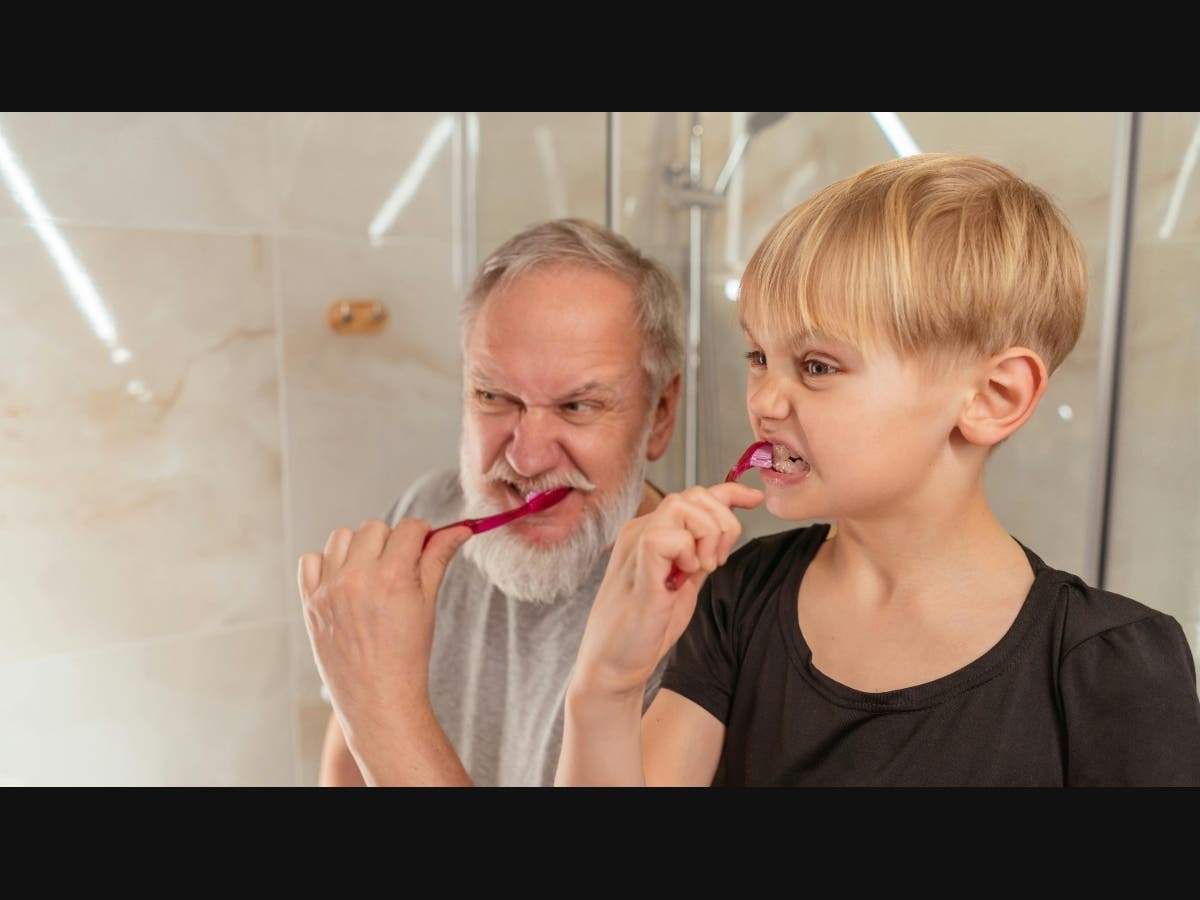
When was the last time you had a dental checkup? If it’s been more than six months, it might be time to book one. Regular checkups catch small problems before they turn into something painful (or pricey).
You might be thinking, “But I take great care of my teeth. I don’t need to go that often.” Don’t be so sure.
Most dental advice sounds so basic that we assume we’ve already nailed it. Brush twice a day? Check. Use mouthwash? Of course. But good dental hygiene is about how we care for our teeth, not just if we do it.
Find out what's happening in Los Angelesfor free with the latest updates from Patch.
So, if you think your routine is flawless, these mistakes below might surprise you.
Brushing Too Hard
You might think scrubbing your teeth harder means a better clean, but that habit actually does more harm than good.
Find out what's happening in Los Angelesfor free with the latest updates from Patch.
Brushing too forcefully can wear down your tooth enamel and irritate your gums. It also won’t remove more plaque; instead, it will increase your risk of sensitivity and even cause gum recession over time.
Focus on technique over intensity. The best approach is to apply light pressure in small circular motions. Think of it like polishing, not scrubbing.
In the same breath, avoid overbrushing. While brushing your teeth twice a day is perfect, more than that can also lead to enamel erosion.
Using the Wrong Toothbrush
Your toothbrush might look fine, but if the bristles are frayed or stiff, it’s time for a new one. Hard bristles are abrasive on your enamel and gums, while worn-out brushes just don’t clean effectively and may even harbor bacteria.
Another common misconception is that firm bristles clean better. Not really. Soft bristles are gentle enough to protect enamel and gums while still effectively removing plaque.
Make sure to replace your toothbrush every three to four months to keep it working its best. Sooner if it looks worn out. Choose one that works with your teeth, not against them.
And if you’ve been sick, change it even sooner!
Skipping Flossing
Brushing alone isn’t quite enough. When you skip flossing, you leave nearly half of your tooth surfaces uncleaned, and that’s exactly where plaque and bacteria love to hide.
A common excuse for not flossing is that it makes your gums bleed. However, bleeding is often a sign of inflammation from not flossing, not a reason to avoid it. In most cases, gentle, consistent flossing will actually help your gums heal over time.
On the other hand, if you're dealing with an active gum infection or severe gum disease, flossing without professional guidance could do more harm than good. Keeping plaque in check with regular dental cleaning can also help.
Only Brushing Once a Day
If you’re only brushing once a day, you’re giving plaque way too much free time. Plaque starts forming just hours after you eat, and if left undisturbed, it hardens into tartar. Tartar buildup can lead to decay, gum disease, and bad breath.
Even if that one brush is a thorough one, it’s not enough to keep buildup in check around the clock.
Here’s a tip: brush twice a day, ideally after breakfast and again before bed. Nighttime brushing is especially important because your mouth produces less saliva while you sleep, creating a prime environment for bacteria to thrive.
Brushing Right After Eating
Many people think this is a good habit, but brushing immediately after meals is detrimental to your teeth, especially after having acidic foods like citrus, tomatoes, coffee, or soda.
This is because acidic foods temporarily soften your enamel, so brushing right away can wear it down even faster. The more your enamel is compromised, the more vulnerable your teeth are to sensitivity and decay.
Instead, rinse your mouth with water to neutralize the acid, then wait about 30 minutes before brushing. This gives your enamel time to reharden, thus protecting it from wear.
Ignoring Signs of Dry Mouth
This might not seem like a big deal, but saliva plays a key role in protecting your teeth by neutralizing acids and washing away food particles and bacteria. A chronic dry mouth increases your risk for cavities, gum disease, sensitivity, and even bad breath.
Common culprits include certain medications like antihistamines or antidepressants, dehydration, stress, and mouth-breathing—especially while you sleep.
Many people don’t even realize it’s happening until their dentist points it out. But if your mouth feels sticky and your tongue is dry, or you’re constantly reaching for water, don’t ignore it.
Try drinking more fluids throughout the day. A great hack is chewing sugar-free gum made with xylitol, which boosts saliva production and balances your mouth’s pH.
Not Checking Labels on Toothpaste or Mouthwash
Finally, just because a product claims to “whiten,” “freshen,” or “deep clean” doesn’t mean it’s right for your mouth. Many popular toothpaste and mouthwash formulas contain ingredients like sodium lauryl sulfate (SLS), alcohol, or peroxide. These are agents that irritate sensitive mouths and contribute to enamel erosion over time.
Check the labels instead of shopping by buzzwords. If your goal is stronger teeth or fighting sensitivity, look for fluoride or nano-hydroxyapatite toothpastes. Both support remineralization.
For mouthwash, choose alcohol-free options that clean without the burn. They are gentler and even more effective, as they support a healthy oral microbiome rather than completely eliminating it.
Do It Right
Great dental hygiene isn’t just about doing the basics, so before you pat yourself on the back and skip your dental appointments, double-check your habits.
These few small tweaks to your routine will protect your gums and teeth and help you avoid future dental issues.