Neighbor News
Why Doctor Burnout is on the Rise, And What Can Actually Help
Doctor burnout is rising, but self-care, early action, and supportive workplaces help keep medical teams strong and resilient.

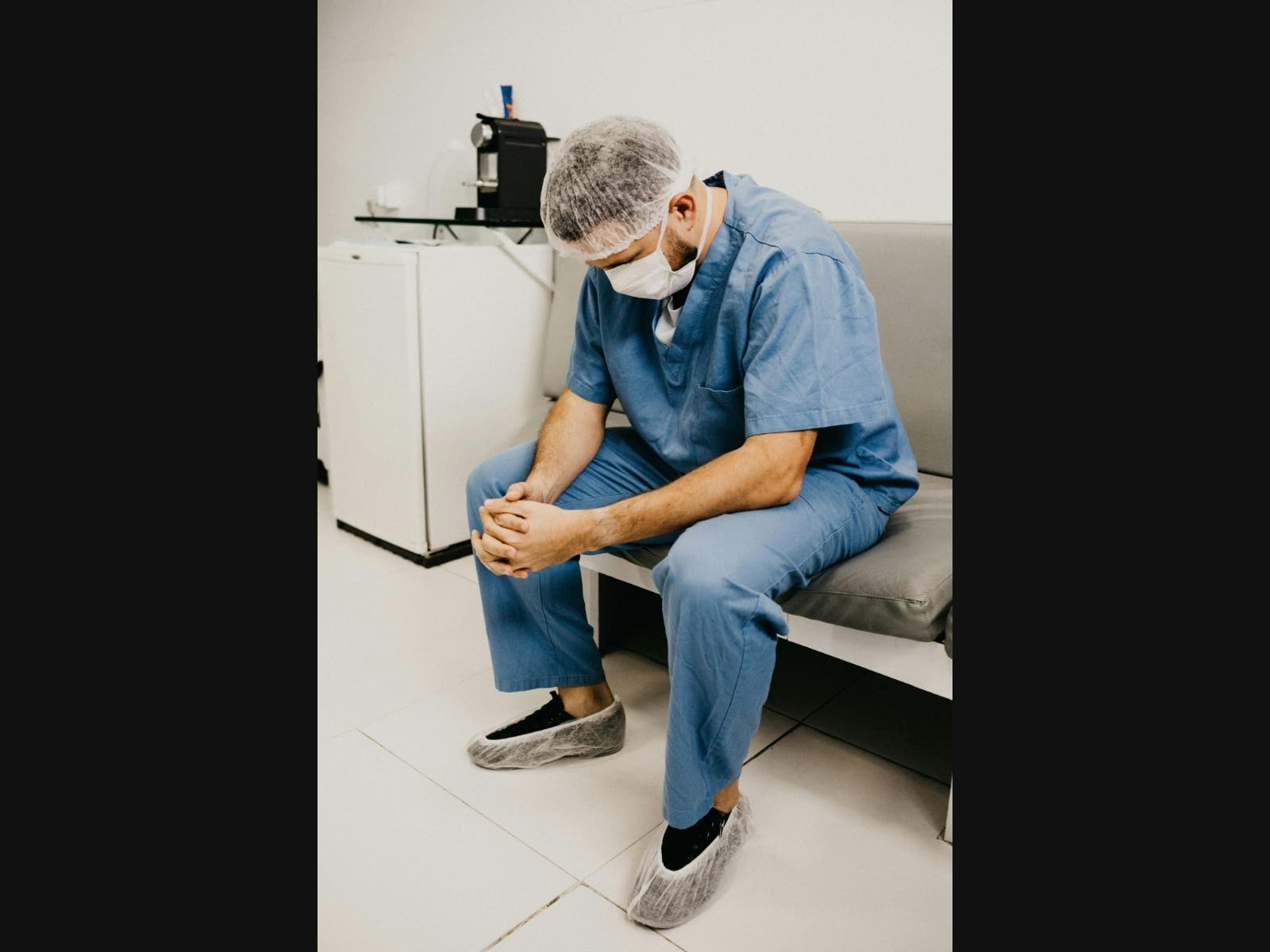
Even though doctor burnout remains high, prevention and early detection can help alleviate the strain. Read on to take a deeper dive into what is spurring doctor burnout, and ways to not only mitigate it, but create a healthier medical practice.
What’s Behind Doctor Burnout
It has always been a heavy responsibility to care for another’s life and well-being, but the unrelenting bombardment of new and deepening challenges means that burnout is on the rise and across professions. These non-exhaustive reasons are just some of why doctors are, themselves, so exhausted.
The Pandemic Hasn’t (Really) Gone Away
Even though we have put a few years between today and the height of COVID-19, for those in the medical field, the pandemic is still not comfortably in the rearview mirror. COVID-19 is not a one-and-done disease, and the medical community will be challenged to stay on top of new strains and developments from the infection for years to come. This, combined with the lingering trauma of what it meant to be on the front lines of such a battle, adds another ongoing source of pain, stress, and other unresolved emotions.
Find out what's happening in Los Angelesfor free with the latest updates from Patch.

Young People are Getting Sick More Often, While Older Generations are Living Longer
It can be disheartening for any doctor or nurse to deliver bad news to a patient, especially to younger ones. With cancer cases on the rise and life expectancy on the decline among younger generations, this troubling development is not only heartbreaking, but it adds additional demands to an already overburdened healthcare system. On the other hand, the increases in longevity among older patients mean providing more years of more intensive care to more people.
Precarious Policies
The whiplash that the medical community is experiencing these days is so severe, it will take a lifetime of occupational therapy to address it. With the many abrupt changes in laws and funding at all levels of government, being a doctor is more precarious than ever. The difficult moments between patients’ needs on one side and legal realities and insurance companies on the other are only increasing. This, combined with the ongoing rise in malpractice lawsuits, is enough to make any professional anxious and frustrated.
Find out what's happening in Los Angelesfor free with the latest updates from Patch.
Compassion Fatigue
Alongside all of these challenges is one that has existed long before it was finally named and nearly diagnosable: compassion fatigue. Walking the tightrope of empathic care is far more an art than a science. The added stress on doctors is a result of others’ increasingly stressful lives and greater social malaise, which means compassion fatigue is growing to epidemic levels.
What Can Help
It can be disheartening that even the most talented team of doctors can’t treat a problem bigger than all of us. While there is no cure for what ails an overworked medical system, there are things that can help.
Listening To The Inner Doctor
It turns out that “physician, heal thyself,” is sound advice. Doctors are only human, after all, which means they can be so caught up in caring for others that they end up neglecting themselves. They aren’t immune to inadequate sleep or exercise, or relying on vending machines instead of planning nutritious meals. Even seeking their own treatment, including from an understanding therapist, often comes second.
However, doctors must care for themselves as they would their patients, because meaningful self-care truly makes a difference. As anyone who is successfully battling back compassion fatigue will say, setting boundaries that allow for rest, healthy eating, and other basic needs is how a doctor is best able to show up for those entrusted in their care.
Employ Savvier Methods
Another popular adage, “work smarter, not harder,” is true even in a field as precise and demanding as medicine and will further boost any practice’s workplace culture. For example, investing in updated medical record keeping and billing software, team training on best practices, and delegating paperwork to a remote medical scribe are all ways that a doctor can boost morale, along with productivity.
Fostering Healthy Workplaces
Doctors set the tone, which means it’s important to foster workplaces that are not only physically healthy, but also socially and emotionally healthy. Just like any habit, it’s about consistent, sustainable demonstrations of respect, such as offering a supportive ear to a colleague, collaborating with their nurses, and advocating for their team members’ needs.
Changing practices and culture takes time, mindfulness, and dedication. While these are scarce resources during burnout, the effort will pay off in the form of a more positive and supportive workplace with less demoralizing staff turnover.

Focus on What’s Possible Together
Burnout is a disease that feeds off feelings of inadequacy, and it’s a disease that gets worse the less we acknowledge it. That means the best way to keep it at bay is by focusing on what is in one’s own locus of control and handling one patient, one day, and one colleague at a time. While easier said than done, it’s also why healthier workplaces are at the foundation of it all: just as no part of the body operates in isolation, neither do doctors. By curating more mindful personal and professional practices, any doctor can boost their prevention strategies against burnout.